Japan’s 500 km/h maglev train is a masterclass in subterranean engineering and political friction.
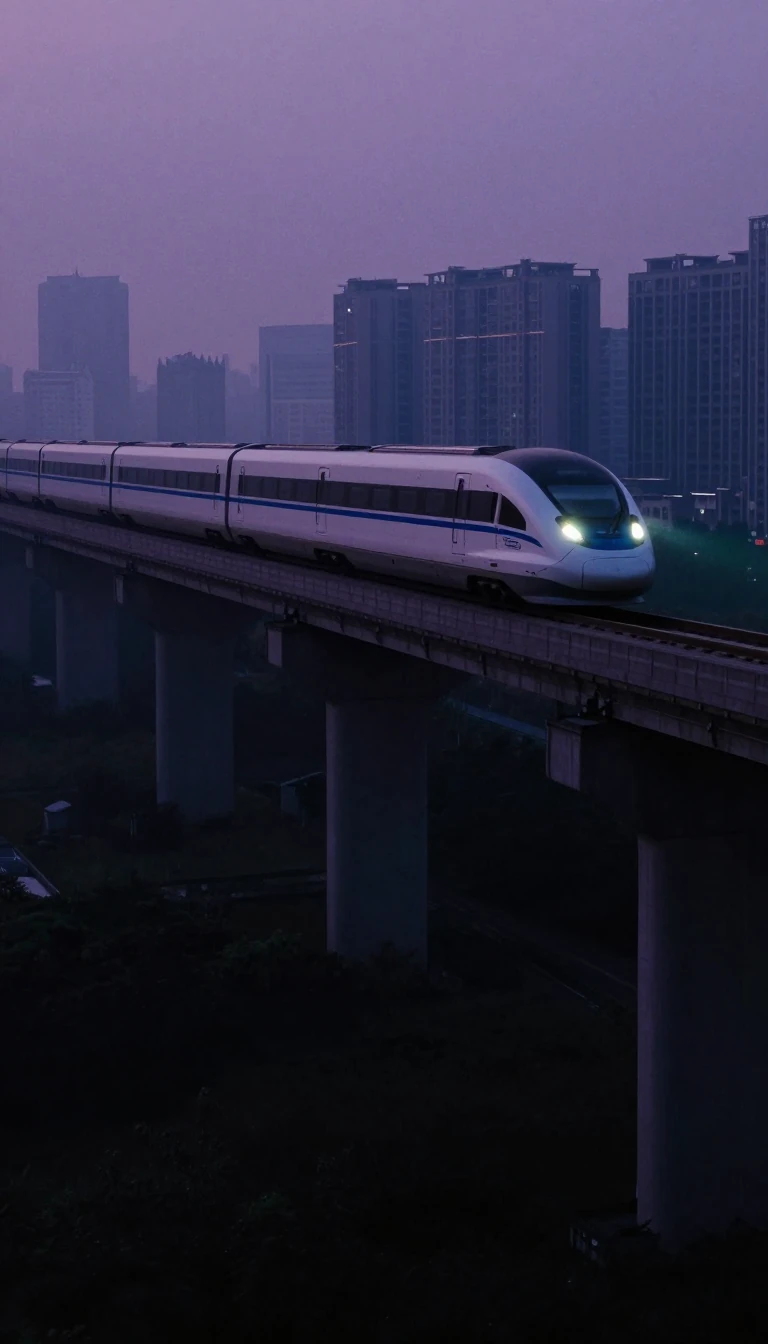
In short: The Chūō Shinkansen promises to shrink the travel time between Tokyo and Nagoya to just 40 minutes. By utilizing magnetic levitation to eliminate wheel friction, it achieves speeds of 500 km/h. Yet, this marvel of modern transport is buried in tunnels and mired in years of complex regional political disputes.
The Chūō Shinkansen is a massive infrastructure project designed to connect Tokyo and Nagoya, with a future extension to Osaka. Unlike conventional high-speed rail, it employs SCMaglev technology, where superconducting magnets cooled to -269 °C with liquid helium generate levitation and propulsion forces. By eliminating wheel friction, the train achieves superior acceleration and top speeds of 500 km/h. However, this performance comes at a cost: because roughly 90% of the 286-kilometer route to Nagoya runs through tunnels, air resistance significantly elevates energy consumption compared to traditional Shinkansen lines.
The project has faced immense logistical and political hurdles since construction began in 2014. The route was chosen for its directness, prioritizing speed over serving intermediate population centers, which necessitated deep tunneling through the Japanese Alps. One tunnel, currently under construction, will reach depths of 1,400 meters. These engineering challenges are compounded by a budget that ballooned from an initial 5.1 trillion yen estimate in 2007 to over 9 trillion yen by 2011. The project is funded by JR Central, which aims to maintain debt levels below those seen during the company's privatization.
Political opposition, particularly from Shizuoka Prefecture, has repeatedly delayed the opening. For years, officials cited concerns that tunneling would lower the water level of the Ōi River, leading to a standoff that stalled construction in the region. Following the election of a new governor in 2024 and subsequent environmental agreements, the project has regained momentum. Originally intended to open in 2027, the Tokyo-Nagoya segment is now expected to open no earlier than 2035, while the Osaka extension is targeted for 2037. Despite these setbacks, the line remains a critical strategic alternative to the existing, congested Tōkaidō Shinkansen, providing a vital backup in the event of earthquake damage.
Opens the Intellect+ feed with this card first. Swipe up for the next one.
Sources
- Summary by Intellect · source: Chūō Shinkansen
To cite this card, link to https://intellectplus.co.uk/app/technology-ch-shinkansen.
How we source, check and correct cards: Editorial standards.
General information, not professional advice. Spotted an error? Flag the card or see corrections and complaints.
Intellect Plus is a visual educational discovery platform for exploring fascinating facts and ideas. Brain Food, Not Brain Rot. What is Intellect Plus?
Related
More in Cars · More in Technology · Latest · A–Z · All topics
