Beyond the workbench: how a simple fastening device shapes everything from surgery to cinema
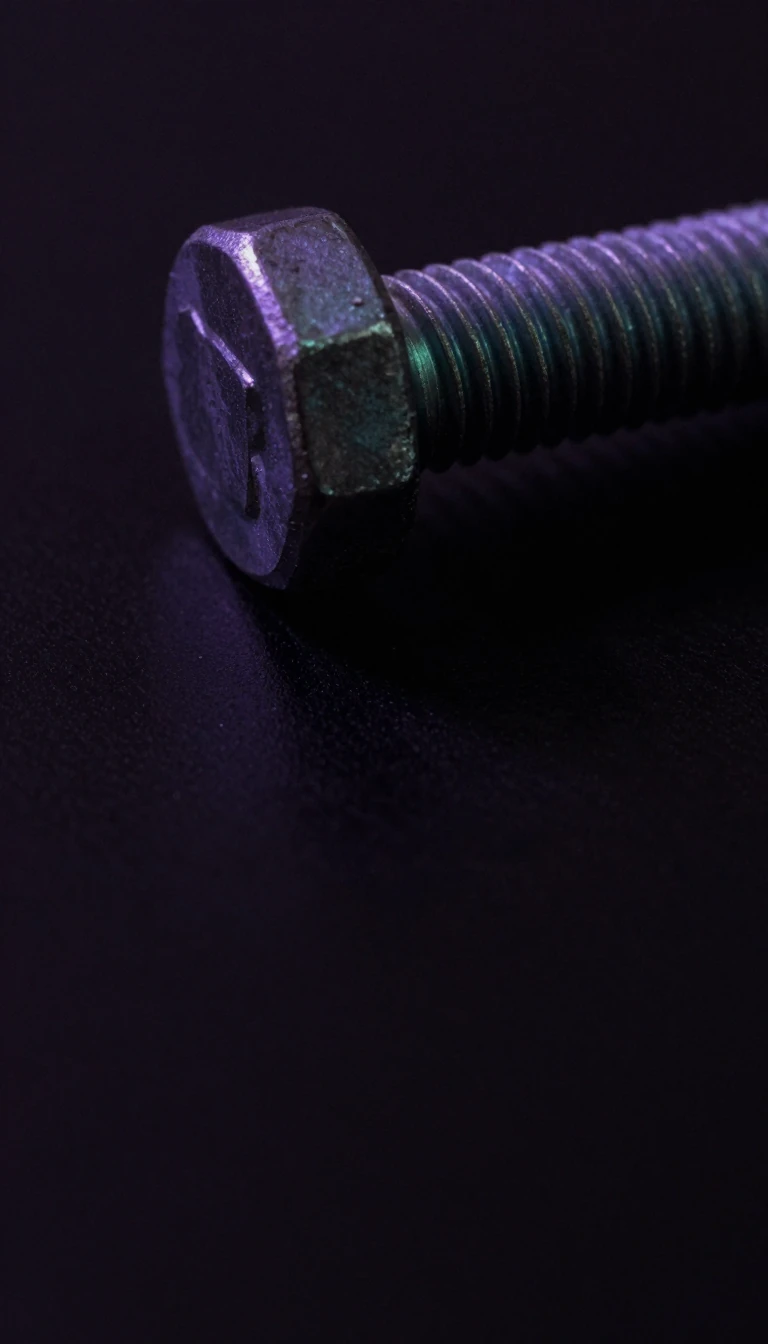
In short: A clamp is far more than a simple workshop accessory. By applying inward pressure to prevent movement, this versatile device secures everything from delicate surgical sites to heavy-duty scaffolding. Whether you are building a clinker boat or mounting professional lighting, understanding the mechanics of clamping is essential for precision work.
At its core, a clamp is any device designed to hold or secure objects tightly together. While often associated with woodworking and construction—where they are frequently referred to as cramps in the United Kingdom—the utility of the clamp spans diverse fields. These tools function by applying inward pressure, ensuring that components remain stationary during assembly, positioning, or permanent fixation. The sheer variety of designs reflects the specific demands of each task, ranging from the simple spring clamp to the specialized, serrated-edged step clamp used in metalworking.
The diversity of clamping technology is striking. In the film industry, the Cardellini clamp provides a robust solution for mounting lights and grip equipment onto surfaces as varied as round tubing or flat plywood. Meanwhile, in specialized trades, tools like the gripe use a wedge-based mechanism to hold strakes in place during boat construction, and the holdfast utilizes a workbench itself as a fixed jaw to secure materials. Even the humble pinch dog, a staple-shaped device, serves a critical role by straddling joints to pull them tightly together during the glue-up process.
Beyond the physical workshop, the term clamp permeates other domains, illustrating its fundamental role in securing systems. In surgery, specialized clamps are essential for medical procedures, while in scaffolding, tube clamps maintain the structural integrity of temporary platforms. The term even appears in disparate contexts like animal husbandry, where it refers to attaching animals to stationary objects, and in obscure investment banking jargon. Regardless of the application, the underlying principle remains constant: the application of controlled pressure to maintain stability and prevent unwanted separation.
The evolution of these tools is well-documented in technical literature, such as Patrick Spielman's 1986 handbook, Gluing and Clamping, and Lee Jesberger's 2007 guide, Pro Woodworking Tips. These resources highlight that whether one is using a precision toolmaker's clamp or a heavy-duty sash clamp, the effectiveness of the tool depends on choosing the right design for the specific material and task at hand. By mastering these different mechanisms, craftsmen and professionals alike ensure that their work remains exact, secure, and structurally sound.
Opens the Intellect+ feed with this card first. Swipe up for the next one.
Sources
- Summary by Intellect · source: Clamp (tool)
To cite this card, link to https://intellectplus.co.uk/app/technology-clamp-tool.
How we source, check and correct cards: Editorial standards.
General information, not professional advice. Spotted an error? Flag the card or see corrections and complaints.
Intellect Plus is a visual educational discovery platform for exploring fascinating facts and ideas. Brain Food, Not Brain Rot. What is Intellect Plus?
Related
More in Machinery and tools · More in Technology · Latest · A–Z · All topics
