Why do crackers have holes? The surprising engineering behind your favorite snack
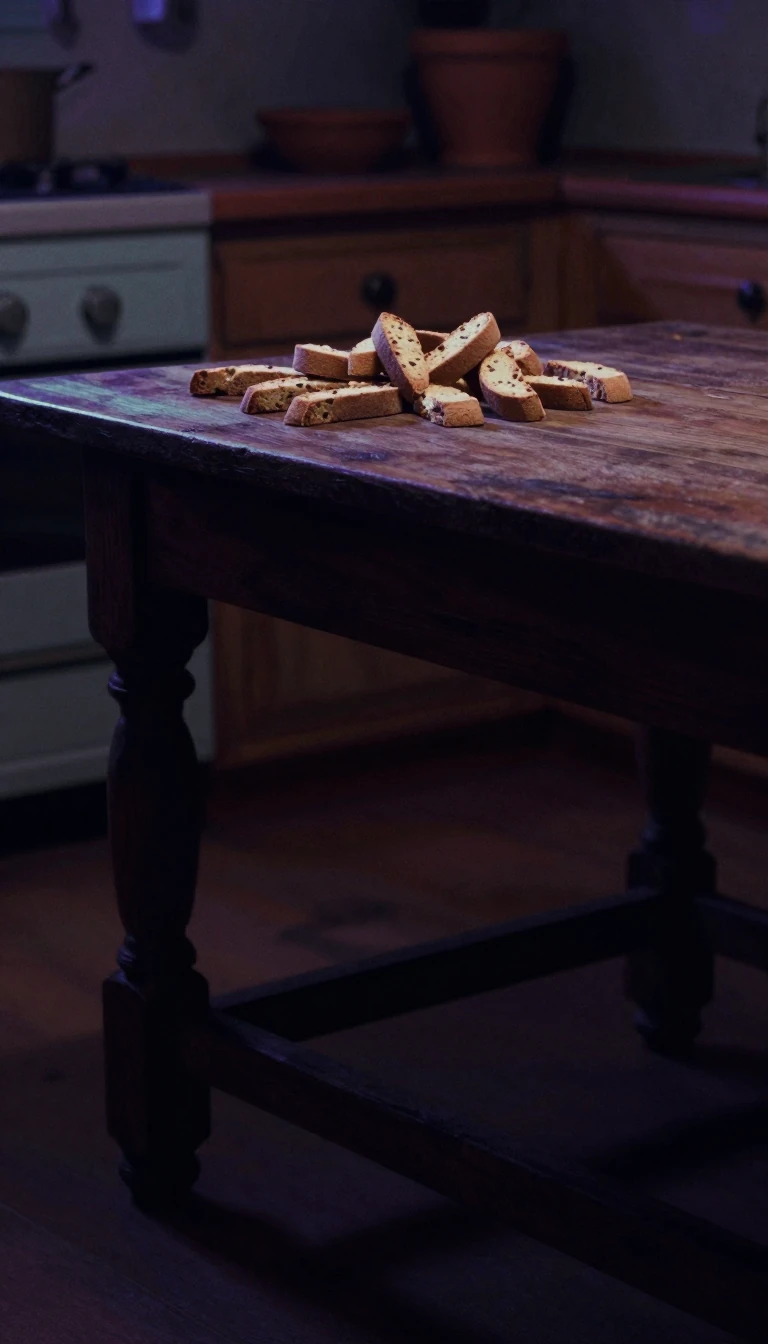
In short: The tiny, uniform holes in your crackers are not for decoration or improved grip. They are a functional engineering feature called docking. Without these deliberate punctures, your snack would balloon into an uneven, bubbly mess during the baking process. Here is the history of the world's most durable biscuit.
The modern cracker traces its lineage back to hardtack, a survival food used by sailors and soldiers as early as 1190. These tablets, composed of flour and water, were baked until they reached a brick-like consistency. Their extreme hardness and low moisture content allowed them to be stored for extended periods without spoiling, serving as a vital nutritional staple for British sailors until the 1800s. During the American Civil War, soldiers continued to rely on these biscuits, with Confederate troops even improvising versions using ground corn, known as Johnny cakes or corn dodgers.
The transition from utilitarian survival ration to modern snack began in 1836, when Jonathan Dodgson Carr of Carlisle, England, introduced the Table Water biscuit. By rolling the traditional hardtack dough much thinner, Carr created a crisp, palatable alternative that maintained its shelf-stable properties. This innovation paved the way for the diverse landscape of crackers we see today, which generally fall into three categories: fermented soda crackers leavened with yeast, chemically-leavened snack crackers, and unleavened varieties like matzah or water biscuits.
The engineering of the cracker relies heavily on the process of docking. As the dough enters the oven, the heat causes internal gases to expand. If the dough is not docked—poked with holes—these gases form large, irregular air pockets that compromise the texture and structural integrity of the biscuit. By creating these intentional vents, bakers ensure a flat, uniform, and crisp product. While some modern items like graham crackers or animal crackers retain these holes, they are often treated more like cookies, reflecting a shift from the cracker's origins as a strictly functional, long-term storage food.
Today, the cracker serves as a versatile culinary tool, functioning as a palate cleanser in food testing, a crunchy addition to soups, or a vehicle for spreads like butter and mousse. Whether it is a simple saltine or a complex cheese-infused snack, the humble cracker remains a testament to the evolution of grain-based preservation technology.
Opens the Intellect+ feed with this card first. Swipe up for the next one.
Sources
- Summary by Intellect · source: Cracker (food)
To cite this card, link to https://intellectplus.co.uk/app/technology-cracker-food.
How we source, check and correct cards: Editorial standards.
General information, not professional advice. Spotted an error? Flag the card or see corrections and complaints.
Intellect Plus is a visual educational discovery platform for exploring fascinating facts and ideas. Brain Food, Not Brain Rot. What is Intellect Plus?
Related
More in Inventions · More in Technology · Latest · A–Z · All topics
