The crankshaft is the unsung hero converting piston power into smooth rotational motion
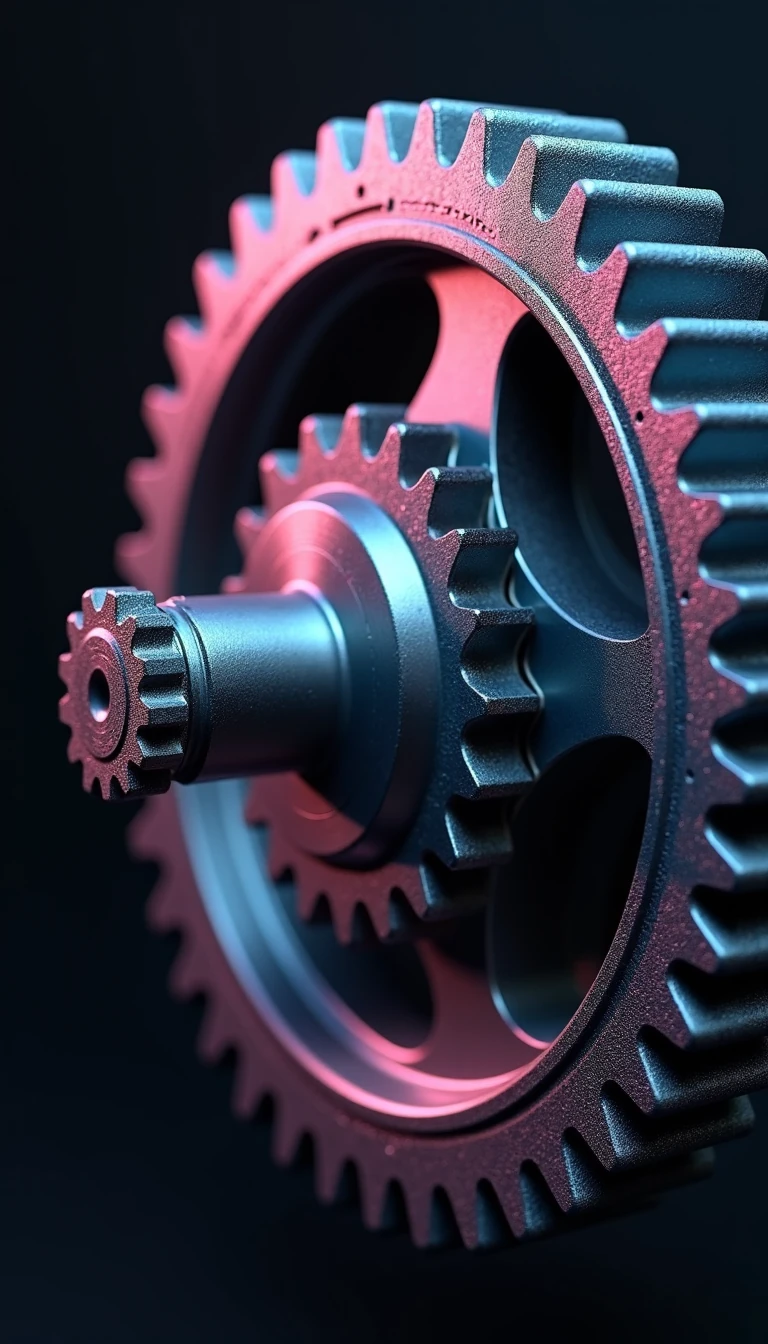
In short: Hidden deep within your engine block, the crankshaft acts as the mechanical bridge between linear piston movement and the rotation that drives your wheels. It endures immense stress, sometimes exceeding 8.6 tonnes per cylinder, while balancing complex forces to ensure your engine runs without shaking itself to pieces.
At its core, the crankshaft is a rotating shaft equipped with crankpins, which connect to pistons via rods. As pistons move up and down, this reciprocating motion is translated into rotation. Modern engines typically house these components in the engine block, supported by main bearings that manage the intense torsional and horizontal forces generated during combustion. The distance between the crankpin axis and the shaft axis defines the engine's stroke length, a key factor in determining torque and power characteristics.
Engineering a crankshaft requires balancing durability with performance. Manufacturers often use forged steel, which offers superior weight and damping properties, or ductile iron for more budget-friendly production. For high-performance applications, designers choose between flat-plane and cross-plane configurations. While flat-plane cranks allow for higher RPMs, they introduce significant vibrations, making them ideal for racing but less common in standard production vehicles. Engineers may also add counterweights or use flying arms to maintain balance and firing intervals, though these modifications can sometimes compromise structural rigidity at high speeds.
The history of this mechanism predates the modern automobile by centuries. While early European descriptions emerged in the 13th and 14th centuries, the Banū Mūsā brothers described crank-like devices in 9th-century Baghdad. By the 16th century, the technology had become a staple of industrial design, appearing in wind-powered sawmills and various mechanical treatises. Today, the crankshaft remains a critical component, with ongoing research into eccentricity and dynamic displacement aimed at further optimizing fuel efficiency and reducing mechanical wear in modern diesel engines.
Opens the Intellect+ feed with this card first. Swipe up for the next one.
Sources
- Summary by Intellect · source: Crankshaft
To cite this card, link to https://intellectplus.co.uk/app/technology-crankshaft.
How we source, check and correct cards: Editorial standards.
General information, not professional advice. Spotted an error? Flag the card or see corrections and complaints.
Intellect Plus is a visual educational discovery platform for exploring fascinating facts and ideas. Brain Food, Not Brain Rot. What is Intellect Plus?
Related
More in Motorbikes · More in Technology · Latest · A–Z · All topics
