Why Ferrari’s legendary Berlinetta Boxer was never actually a boxer engine at all
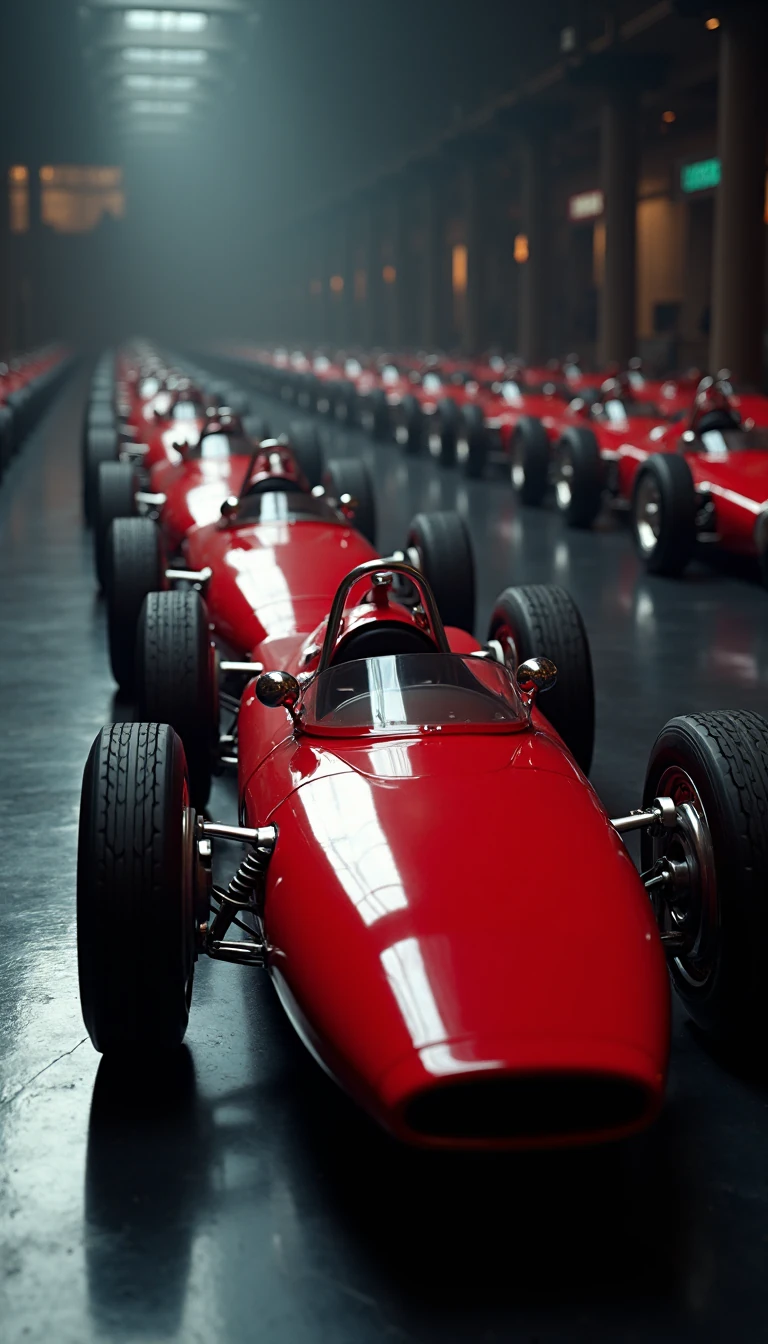
In short: The Ferrari Berlinetta Boxer is a mid-engined icon, yet its name is a technical misnomer. While marketed as a boxer, its flat-12 engine features opposing pistons that move in the same direction, not opposite ones. This engineering choice defined a decade of performance, despite Enzo Ferrari’s initial resistance to the layout.
The Berlinetta Boxer (BB) series, produced between 1973 and 1984, marked a pivotal shift for Ferrari. Enzo Ferrari had long resisted mid-engined road cars, fearing they would be too difficult for customers to handle. However, after losing racing dominance to mid-engined competitors in the late 1950s, the company pivoted. By 1963, Ferrari had moved its V12 engines to the rear in racing prototypes, eventually leading to the 1973 launch of the 365 GT4 BB, the first mid-engined 12-cylinder road-going Ferrari.
The engine, designed under Dr. Ing. Giuliano de Angelis, was derived from the 1969 312B Formula One car. Despite the 'Boxer' moniker, engine designer Mauro Forghieri insisted it was technically a flat-12, or a 180-degree V12, because pairs of opposing pistons share a crank pin and move in the same direction. The engine block utilized Silumin alloy and featured dual overhead camshafts driven by timing belts, which reduced weight and noise compared to traditional chains. The 365 GT4 BB was the rarest of the line, with 387 examples built.
The series evolved through the BB 512, introduced in 1976 with a larger 4943 cc engine, and the 1981 fuel-injected BB 512i. Because Ferrari never built these cars to meet US safety and emissions regulations, a 'grey market' emerged. Enthusiasts and dealers, such as Richard Fritz of Amerispec, performed extensive 'federalization'—a process involving over 75 modifications, including crash reinforcements and emissions equipment—to legally import these vehicles. This era of modification lasted until 1990, when new laws restricted the importation of non-US-spec cars to those over 25 years old.
The BB’s design, supervised by Leonardo Fioravanti at Pininfarina, featured a distinctive two-tone paint scheme that lowered the car's visual profile. While the 365 GT4 BB was the fastest road car tested by Road & Track in 1975, the series was ultimately replaced by the Testarossa in 1984. Today, the BB remains a symbol of a transition period where Ferrari embraced the mid-engine layout, forever changing the architecture of their flagship sports cars.
Opens the Intellect+ feed with this card first. Swipe up for the next one.
Sources
- Summary by Intellect · source: Ferrari Berlinetta Boxer
To cite this card, link to https://intellectplus.co.uk/app/technology-ferrari-berlinetta-boxer.
How we source, check and correct cards: Editorial standards.
General information, not professional advice. Spotted an error? Flag the card or see corrections and complaints.
Intellect Plus is a visual educational discovery platform for exploring fascinating facts and ideas. Brain Food, Not Brain Rot. What is Intellect Plus?
Related
More in Cars · More in Technology · Latest · A–Z · All topics
