The Japanese battleship designed to outmatch the United States through sheer quality
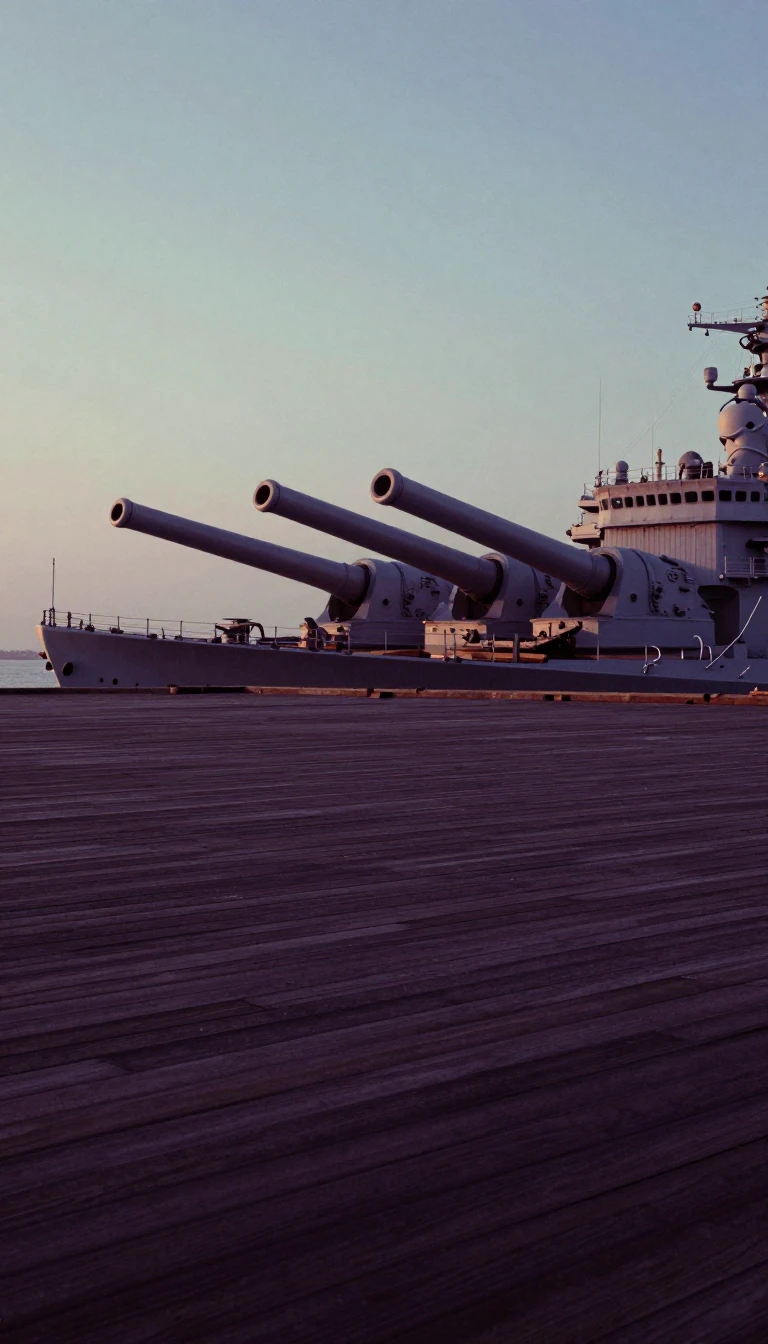
In short: In a desperate naval arms race, Japan sought to defeat a numerically superior US fleet by building ships that were qualitatively superior in every category. The result was the Fusō-class: a complex engineering feat of heavy armor and massive guns that prioritized firepower over practical ship layout.
The genesis of the Fusō-class lay in a specific military theory by Admiral Satō Tetsutarō. He argued that Japan could not match the United States in total numbers, but could defeat them in a single decisive engagement if they maintained at least 70% as many capital ships. This led to the 'Eight-Eight Fleet Program,' which sought to create a cohesive battle line of sixteen capital ships. To achieve this, Japanese designers utilized recent British studies on the Kongō class to develop their own dreadnoughts, aiming for ships that could outpace the American New York class while carrying heavier armament.
The design choices for the Fusō-class were driven by a desire for qualitative superiority over quantitative inferiority. Planners opted for twelve 14-inch guns in six double turrets rather than four triple turrets—a decision that significantly complicated the ship's architecture. Because the middle turrets were not 'superfiring' (stacked), they required more deck space and forced the boiler rooms into less-than-ideal locations. Furthermore, these amidships turrets necessitated extra insulation and air conditioning in the magazines to protect them from the intense heat generated by the adjacent boilers.
Despite extensive modernizations during the 1930s—which included replacing old turbines with geared Kanpon turbines and upgrading gun recoil systems from hydraulic to pneumatic—the ships were considered obsolete by World War II. They served primarily as transports or training vessels before their final actions. In October 1944, both Fusō and Yamashiro were lost during the Battle of Leyte Gulf at the Battle of Surigao Strait; only ten crew members survived from each vessel.
The ships eventually reached a top speed of about 24.7 knots during trials in the 1930s, significantly exceeding their original design goals. However, their unique layout meant that while they were formidable on paper, they faced significant internal engineering hurdles to balance their massive firepower with necessary protection and propulsion.
Opens the Intellect+ feed with this card first. Swipe up for the next one.
Sources
- Summary by Intellect · source: Fusō-class battleship
To cite this card, link to https://intellectplus.co.uk/app/technology-fus-class-battleship.
How we source, check and correct cards: Editorial standards.
General information, not professional advice. Spotted an error? Flag the card or see corrections and complaints.
Intellect Plus is a visual educational discovery platform for exploring fascinating facts and ideas. Brain Food, Not Brain Rot. What is Intellect Plus?
Related
More in Military technology · More in Technology · Latest · A–Z · All topics
