Did Apollo 15 astronauts actually discover the Moon's oldest piece of primordial crust?
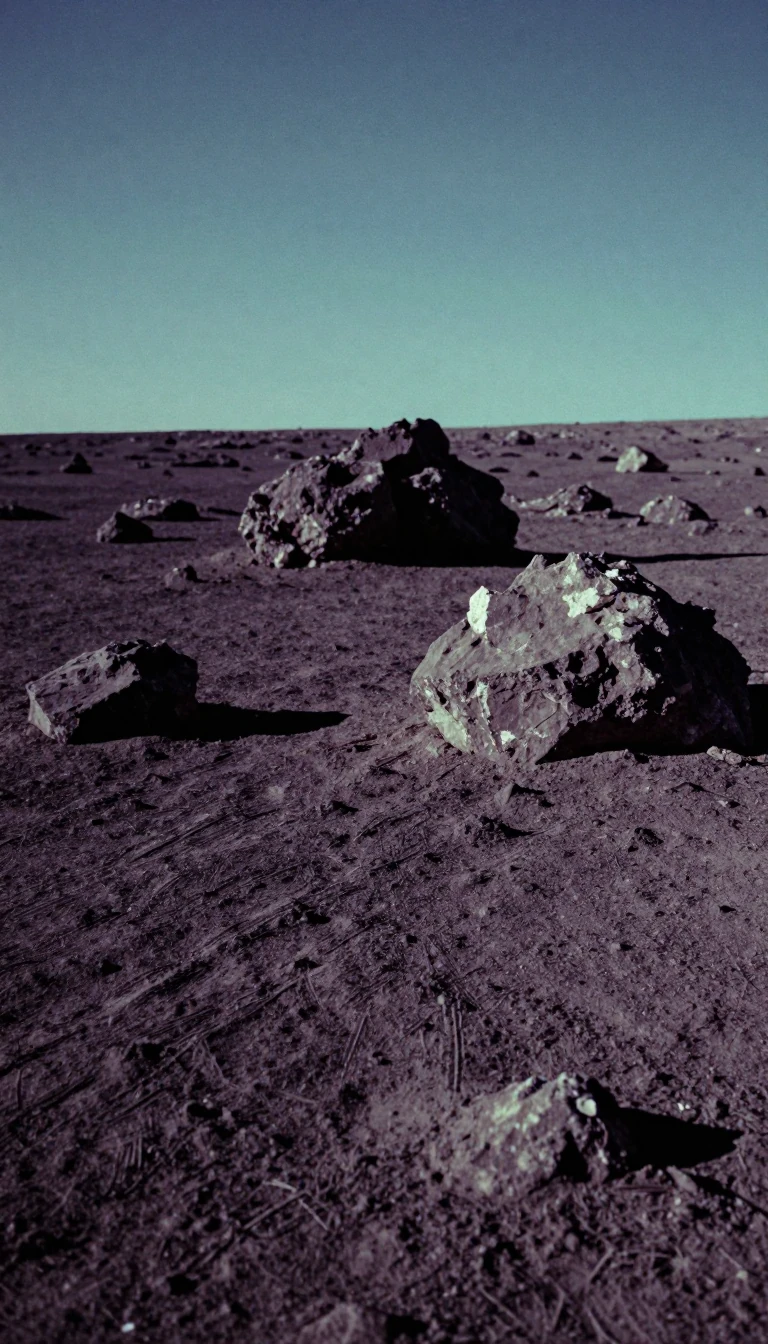
In short: On August 1, 1971, Apollo 15 commander David R. Scott radioed Mission Control with a breakthrough: he believed he had found the primordial lunar crust. Known as the Genesis Rock, this anorthosite sample became a centerpiece of lunar geology, though later analysis revealed a more complex story about its true age.
The Apollo 15 mission, the first of the so-called J missions, was designed specifically for scientific exploration. To prepare for the Hadley-Apennine landing, astronauts David R. Scott and James B. Irwin underwent rigorous geological training, completing about 18 field trips to sites like the Rio Grande Gorge and Hawaii. This intensive preparation, overseen by instructors like Leon T. Silver and Gary E. Lofgren, aimed to transform test pilots into skilled field geologists capable of identifying and documenting samples in the field.
When Scott and Irwin retrieved sample 15415, they were convinced they had secured a piece of the Moon's original crust. Subsequent analysis confirmed the rock is an anorthosite, composed largely of plagioclase feldspar. While initially hailed as a primordial relic, later research clarified that the rock is approximately 4 billion years old. This age indicates it formed after the lunar crust had already solidified, meaning it is not the oldest sample ever returned from the Moon; that distinction belongs to sample 14321, collected during the Apollo 14 mission.
The significance of the Genesis Rock lies in its role as a milestone for human-led scientific discovery in space. The mission utilized advanced technology, including the Lunar Rover and redesigned modules, to extend surface time to nearly nineteen hours. The success of the collection demonstrated that well-prepared human explorers could effectively conduct complex geological research under extreme conditions. Today, the sample remains a vital subject of study, representing the intersection of technical capability and human intent in the early exploration of the solar system.
Opens the Intellect+ feed with this card first. Swipe up for the next one.
Sources
- Summary by Intellect · source: Genesis Rock - NASA Science
- Also: Genesis Rock
To cite this card, link to https://intellectplus.co.uk/app/technology-genesis-rock.
How we source, check and correct cards: Editorial standards.
General information, not professional advice. Spotted an error? Flag the card or see corrections and complaints.
Intellect Plus is a visual educational discovery platform for exploring fascinating facts and ideas. Brain Food, Not Brain Rot. What is Intellect Plus?
Related
More in Inventions · More in Technology · Latest · A–Z · All topics
