A glowing blue powder from a discarded medical device triggered a major nuclear disaster.
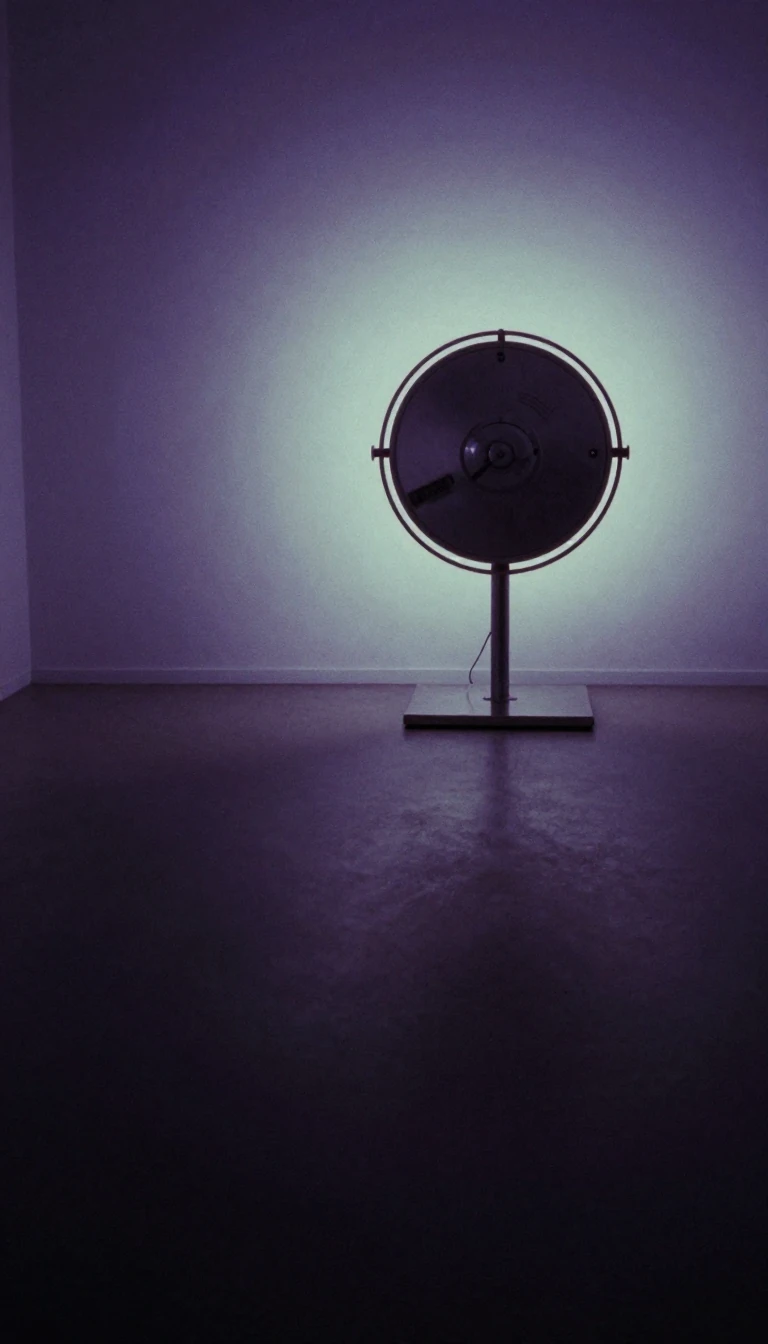
In short: In 1987, two scavengers broke into an abandoned radiotherapy clinic in Brazil, unknowingly stealing a capsule of caesium-137. The resulting contamination spread through the city, leading to four deaths, thousands of medical examinations, and a massive cleanup effort that saw entire houses demolished and their contents incinerated as radioactive waste.
The disaster began on September 13, 1987, when scavengers dismantled a teletherapy unit left behind by the Instituto Goiano de Radioterapia. Inside, they found a capsule containing 93 grams of highly radioactive caesium chloride. When punctured, the material emitted a mesmerizing blue glow, which the scavengers and the scrapyard owner, Devair Ferreira, initially mistook for something valuable or supernatural. Ferreira shared the glowing powder with family and friends, unknowingly exposing them to lethal doses of radiation.
The human cost was devastating. Four people died within weeks of exposure, including six-year-old Leide das Neves Ferreira, who had handled the powder. Her death triggered a panicked riot at her funeral, fueled by widespread fear of radioactive contamination. In total, 249 people were found to be contaminated, and 112,000 residents were screened. The cleanup was exceptionally difficult because the caesium was water-soluble, allowing it to migrate easily into the environment and through the city's infrastructure.
The International Atomic Energy Agency classified the event as one of the world's worst radiological incidents. Recovery efforts involved removing topsoil, demolishing homes, and treating surfaces with acid and Prussian blue. Despite these measures, about 7 terabecquerels of radioactivity remained in the environment. Legal proceedings followed, with courts eventually ordering compensation for victims and the environment, though the original owners of the clinic were largely shielded from liability due to the legal status of the abandoned property at the time.
The accident highlights the lethal danger of unsecured radioactive sources. While the body can mitigate damage if radiation exposure is fractionated over time, the concentrated dose from the Goiânia capsule was overwhelming. Today, the site of the original clinic has been replaced, but the incident remains a stark reminder of the necessity for strict regulatory control over medical radioactive materials to prevent such preventable tragedies.
Opens the Intellect+ feed with this card first. Swipe up for the next one.
Sources
- Summary by Intellect · source: Goiânia accident
To cite this card, link to https://intellectplus.co.uk/app/technology-goi-nia-accident.
How we source, check and correct cards: Editorial standards.
General information, not professional advice. Spotted an error? Flag the card or see corrections and complaints.
Intellect Plus is a visual educational discovery platform for exploring fascinating facts and ideas. Brain Food, Not Brain Rot. What is Intellect Plus?
Related
More in Inventions · More in Technology · Latest · A–Z · All topics
