How we scrub the world's hidden water supply using biology, chemistry, and physics
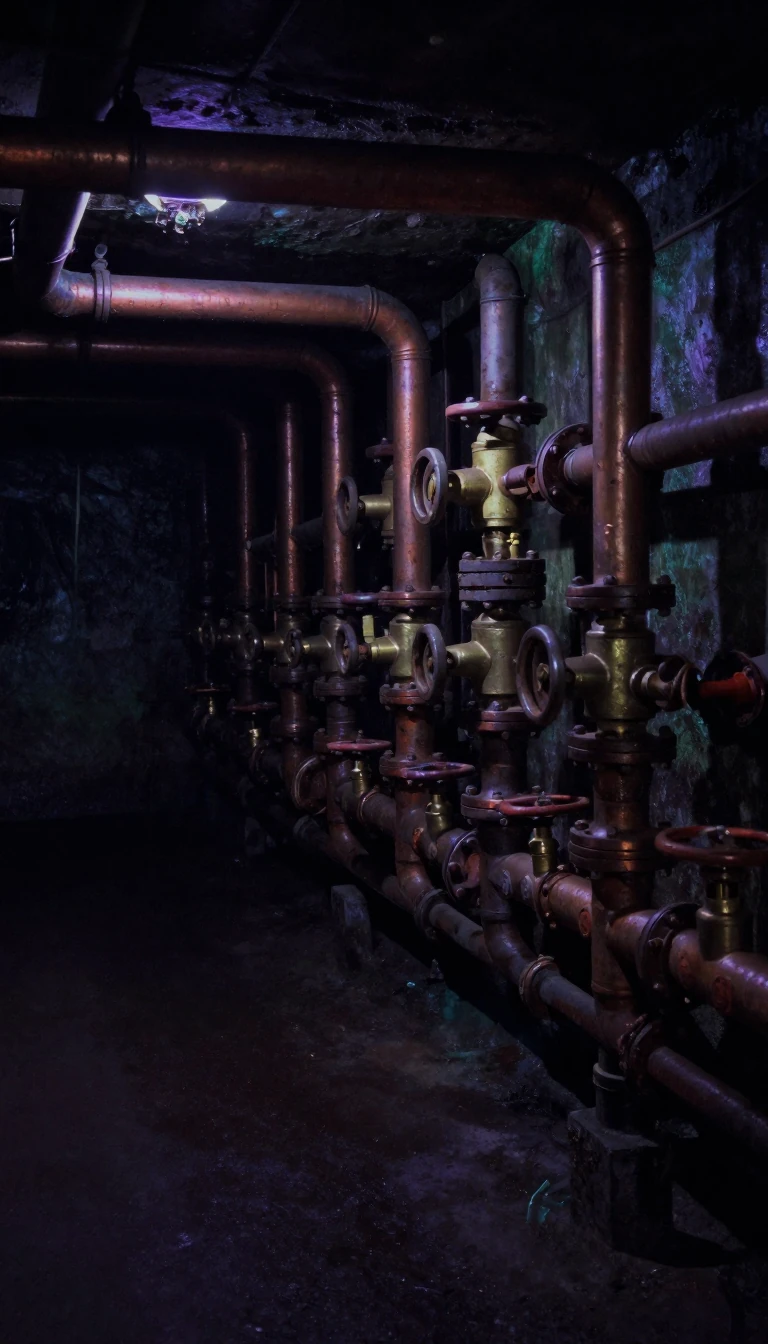
In short: Groundwater provides up to 40 percent of the world's drinking water, yet it remains vulnerable to industrial spills and urban runoff. Remediation is the complex process of cleaning this subsurface water, utilizing everything from genetically modified plants and indigenous bacteria to high-vacuum extraction systems and specialized oil-skimming technology.
Groundwater remediation addresses contamination that percolates into the subsurface, often due to historical lack of regulation. Because groundwater is a critical resource for drinking, irrigation, and industry, treating it is essential for public health. Contaminants range from inorganic chemicals and heavy metals to radioactive materials and volatile organic compounds (VOCs). Remediation strategies are rarely singular; they typically combine biological, chemical, and physical methods to reach safety standards.
Biological techniques often leverage indigenous microorganisms. Bioventing and biosparging, for example, stimulate bacteria and archaea by injecting oxygen or nutrients to break down organic hydrocarbons. For more specialized tasks, phytoremediation uses plants like the brake fern to accumulate arsenic or transgenic Indian mustard to absorb selenium. If natural degradation is too slow, bioaugmentation introduces specific microbial strains to accelerate the process by increasing reactive enzyme concentrations.
Chemical and physical approaches offer alternative pathways. Chemical precipitation converts dissolved metals into insoluble compounds for filtration, while ion exchange uses zeolites or synthetic resins to displace unwanted ions. In situ chemical oxidation (ISCO) involves injecting oxidants like ozone or hydrogen peroxide to destroy organic molecules directly in the subsurface. Physical methods, such as pump and treat or dual-phase vacuum extraction, physically remove contaminated fluids or vapors from the aquifer.
Simple yet effective tools like belt-style oil skimmers demonstrate the ingenuity of the field. These devices use a moving belt to selectively pick up floating hydrocarbons from monitoring wells, often powered by solar or wind energy. Whether using high-tech nanotechnology or the natural metabolism of bacteria, the goal remains the same: transforming polluted subsurface water into a resource safe for human use.
Opens the Intellect+ feed with this card first. Swipe up for the next one.
Sources
- Summary by Intellect · source: Groundwater remediation
To cite this card, link to https://intellectplus.co.uk/app/technology-groundwater-remediation.
How we source, check and correct cards: Editorial standards.
General information, not professional advice. Spotted an error? Flag the card or see corrections and complaints.
Intellect Plus is a visual educational discovery platform for exploring fascinating facts and ideas. Brain Food, Not Brain Rot. What is Intellect Plus?
Related
More in Infrastructure · More in Technology · Latest · A–Z · All topics
