The high-stakes art of reporting from the world's most volatile borders
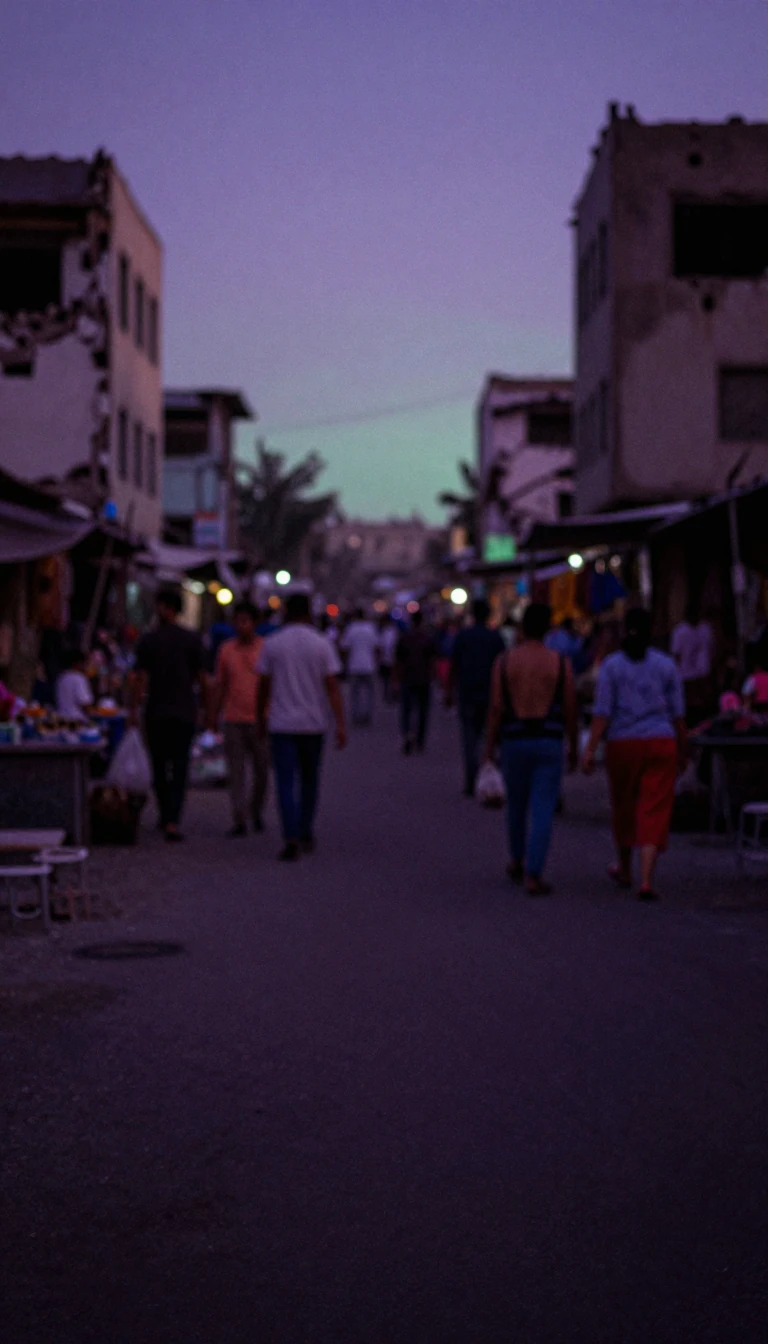
In short: Reporting from war zones and political flashpoints requires more than just a press pass. It demands linguistic fluency, psychological resilience, and the ability to navigate complex geopolitical tensions. Katya Adler’s career illustrates the grueling reality of high-level journalism, where personal sacrifice often meets public scrutiny.
Katya Adler’s trajectory in journalism is defined by her extensive coverage of global conflict and political upheaval. From her early career in 1995 reporting on Kosovo, Eastern Europe, and Southwest Asia to her tenure as the BBC's Middle East correspondent based in Jerusalem, Adler has navigated some of the world's most dangerous environments. This work, however, carries a heavy personal toll; Adler has publicly disclosed that she suffered from PTSD as a direct result of her reporting from these war zones. Her career highlights the physical and mental endurance required to maintain objective reporting in high-pressure settings like Gaza, Syria, and Libya.
Beyond the front lines, Adler’s role involves navigating the intricate nuances of European diplomacy and domestic politics. As the BBC's Europe editor since 2014, she has been at the center of major narratives, including the Brexit transition and the ongoing challenges facing the European Union. Her work often requires a deep mastery of multiple languages—she is fluent in Spanish, German, Italian, and French—which allows her to engage directly with diverse political spheres. This linguistic versatility was essential during her time as the BBC Madrid correspondent, where she covered significant events such as the Madrid train bombings and the deaths of Pope John Paul II and Yasser Arafat.
Adler's career also serves as a case study in the scrutiny faced by modern public service journalists. Her 2014 appointment sparked controversy regarding her previous freelance work facilitating conferences, leading to accusations of a 'cosy relationship' with the European Commission. While the BBC clarified she had only chaired one such event in 2005, the incident underscores the ongoing debate over editorial integrity and perceived neutrality. Furthermore, her 2020 tweet calling a government minister's statement 'delusional' resulted in a partial uphold of a complaint, illustrating the fine line between evidence-based opinion and the strict professional guidelines governing public broadcasters.
Opens the Intellect+ feed with this card first. Swipe up for the next one.
Sources
- Summary by Intellect · source: Katya Adler
To cite this card, link to https://intellectplus.co.uk/app/technology-katya-adler.
How we source, check and correct cards: Editorial standards.
General information, not professional advice. Spotted an error? Flag the card or see corrections and complaints.
Intellect Plus is a visual educational discovery platform for exploring fascinating facts and ideas. Brain Food, Not Brain Rot. What is Intellect Plus?
Related
More in UK & Ireland: inventions · More in Technology · Latest · A–Z · All topics
