How a Soviet filmmaker proved that audiences create the meaning of every movie scene.
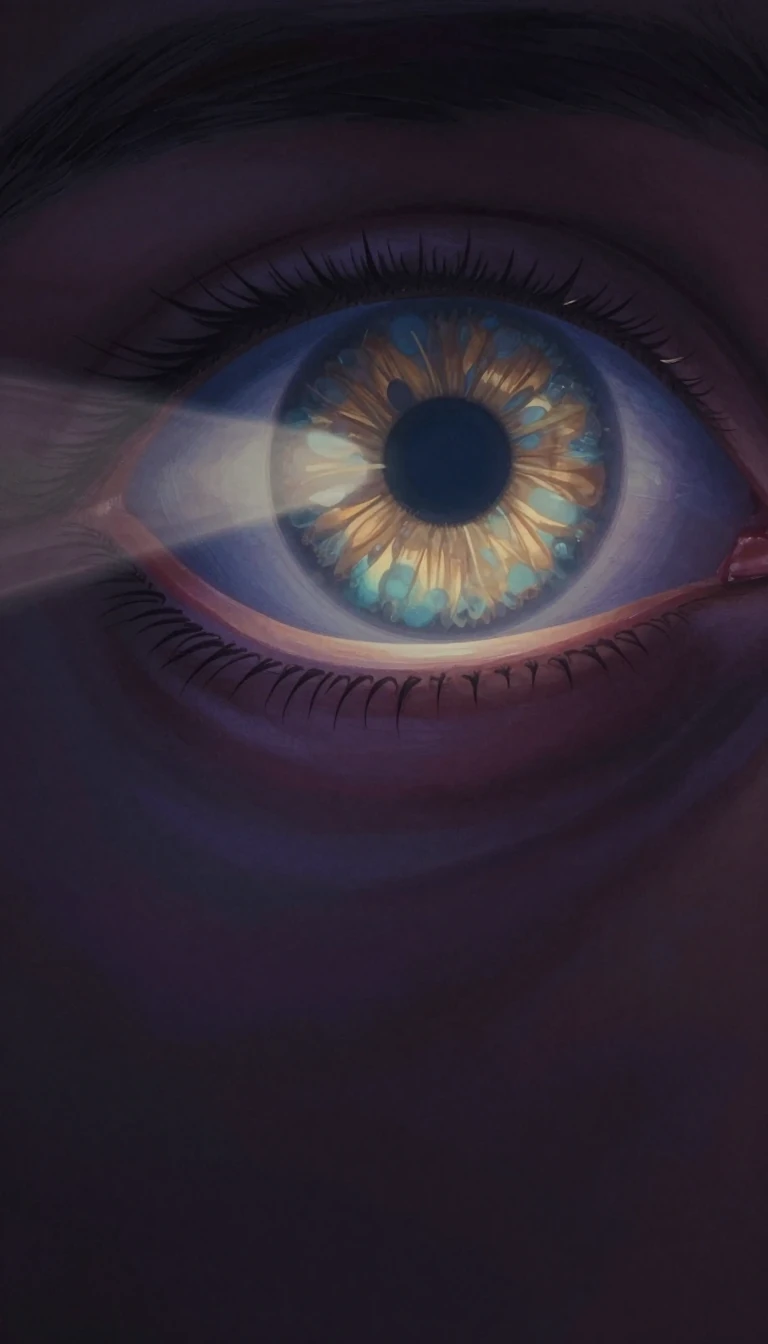
In short: Lev Kuleshov discovered that film editing does more than link shots; it manipulates human emotion. By juxtaposing the same neutral facial expression with different images, he proved that viewers project their own feelings onto actors. This insight, known as the Kuleshov effect, fundamentally changed how we understand cinematic storytelling.
Born in 1899, Lev Kuleshov became a central figure in early Soviet cinema. His work moved beyond mere recording, treating film editing as a structural language comparable to harmony in music. Kuleshov rejected the prevailing psychological acting methods of Konstantin Stanislavski, which prioritized internal emotion. Instead, he viewed performers as naturshchik, or models, who were required to execute precise, legible movements. He even trained them using a spatial metric grid to ensure their physical actions adhered to strict 90- and 45-degree angles, creating a mechanical aesthetic that could be cleanly cut and reassembled.
The most famous demonstration of his theory, the Kuleshov effect, involved placing a single shot of actor Ivan Mozzhukhin against disparate images, such as a bowl of soup or a corpse. Despite the actor's expression remaining identical, audiences perceived him as hungry or grief-stricken depending on the context. This revealed that the meaning of a scene is not contained within the frame itself, but is constructed by the viewer through the juxtaposition of shots. He expanded this concept into creative geography, a technique that uses editing to stitch together separate locations into a single, cohesive narrative space.
Kuleshov’s influence extended through his role as a founder of the Moscow Film School, where he taught notable directors including Vsevolod Pudovkin and Mikhail Romm. His 1941 book, The Basics of Film Direction, codified these revolutionary ideas for future generations. Although his career faced political hurdles—such as the state-ordered cancellation of his 1934 film Dokhunda—he remained a titan of the industry. By the time of his death in 1970, Kuleshov had been honored as a People's Artist of the RSFSR and awarded the Order of Lenin, leaving behind a legacy that defines the grammar of modern film.
His work remains vital because it highlights the active role of the spectator in the cinematic experience. By stripping away the reliance on an actor's internal psychological state, Kuleshov empowered the editor to dictate the emotional arc of a story. This shift from performance-based cinema to montage-based cinema remains the bedrock of how we consume visual media today, proving that the cut is the most powerful tool in a director's arsenal.
Opens the Intellect+ feed with this card first. Swipe up for the next one.
Sources
- Summary by Intellect · source: Lev Kuleshov
To cite this card, link to https://intellectplus.co.uk/app/technology-lev-kuleshov.
How we source, check and correct cards: Editorial standards.
General information, not professional advice. Spotted an error? Flag the card or see corrections and complaints.
Intellect Plus is a visual educational discovery platform for exploring fascinating facts and ideas. Brain Food, Not Brain Rot. What is Intellect Plus?
Related
More in Inventors · More in Technology · Latest · A–Z · All topics
