Can combining neural networks with logic finally solve the problem of AI hallucinations?
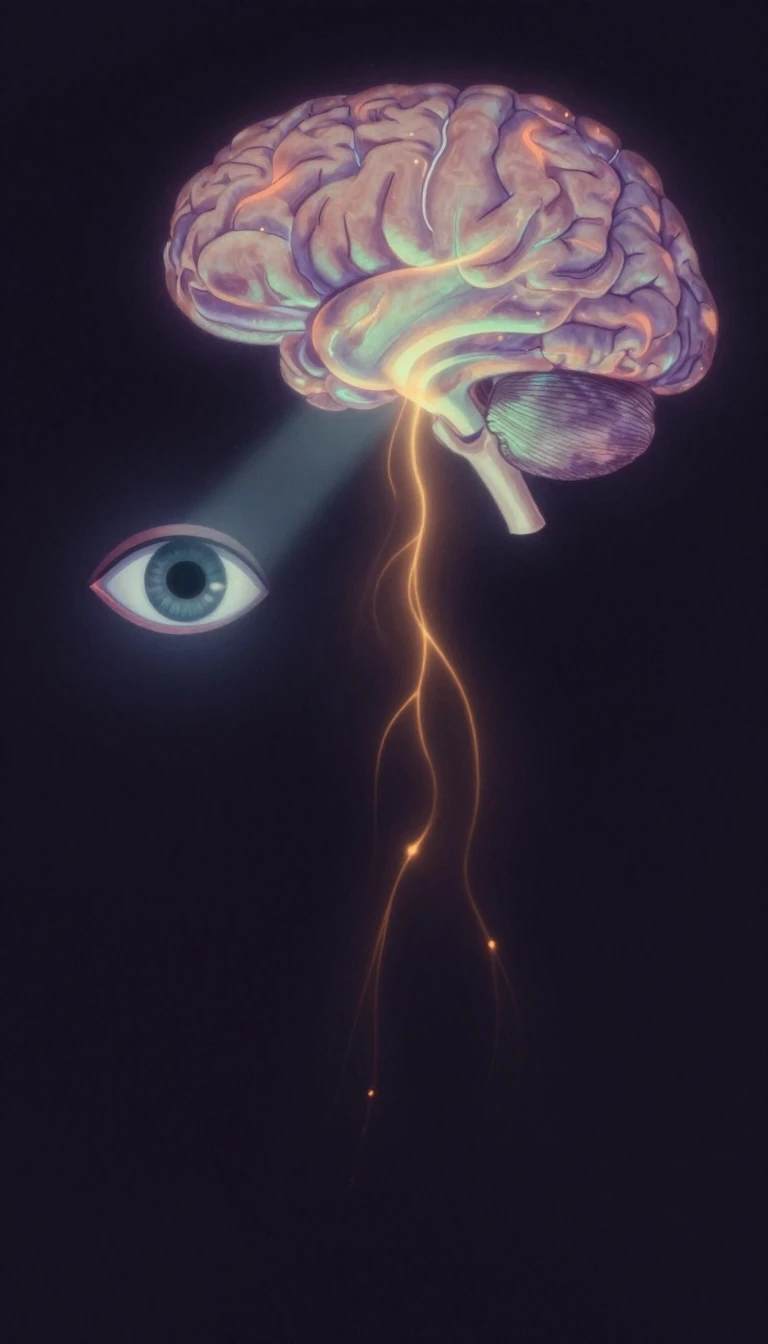
In short: Modern artificial intelligence is split between two worlds: the intuitive, pattern-matching power of neural networks and the rigid, rule-based precision of symbolic logic. Neuro-symbolic AI seeks to merge these into a single, robust architecture, promising a future where machines can learn from data while reasoning with human-like reliability.
The field of neuro-symbolic AI is often framed as the third wave of artificial intelligence. While the 1980s and 1990s were dominated by symbolic logic and the post-2015 era has been defined by connectionist deep learning, proponents argue these two paths should never have been separated. By integrating statistical learning with explicit reasoning, researchers aim to overcome the notorious weaknesses of current large language models, such as hallucinations, lack of fairness, and poor generalization beyond training data.
This dual-process approach draws inspiration from cognitive science, specifically the distinction between System 1—fast, intuitive pattern recognition—and System 2—slow, deliberative, and explicit reasoning. Deep learning excels at System 1 tasks, while symbolic AI provides the infrastructure for System 2. By embedding symbolic manipulation into neural architectures, developers hope to create systems that can handle abstract knowledge, accept advice, and provide verifiable answers even when data is scarce.
Implementation remains a major challenge, as no single dominant methodology exists. Current approaches range from hybrid systems, where neural networks and theorem provers operate side-by-side, to fully integrated models that use differentiable logic or probabilistic methods within neural layers. Notable examples include Google DeepMind’s AlphaProof Nexus, which has successfully tackled complex mathematical problems, and Amazon’s use of neuro-symbolic techniques to improve the accuracy of its warehouse robots and shopping assistants.
Ultimately, the goal is to achieve Artificial General Intelligence by moving beyond the energy-intensive scaling of current models. By adopting a neuro-symbolic cycle, where networks are trained while being checked for reasoning capabilities, researchers hope to enable knowledge reuse and network compression. While knowledge extraction from these complex systems remains a significant computational bottleneck, the field is rapidly maturing with dedicated conferences and journals now standardizing the research landscape.
Opens the Intellect+ feed with this card first. Swipe up for the next one.
Sources
- Summary by Intellect · source: Neuro-symbolic AI
To cite this card, link to https://intellectplus.co.uk/app/technology-neuro-symbolic-ai.
How we source, check and correct cards: Editorial standards.
General information, not professional advice. Spotted an error? Flag the card or see corrections and complaints.
Intellect Plus is a visual educational discovery platform for exploring fascinating facts and ideas. Brain Food, Not Brain Rot. What is Intellect Plus?
Related
More in Future Frontier · More in Technology · Latest · A–Z · All topics
