Why nuclear power plants are built for the long haul, not for quick profits.
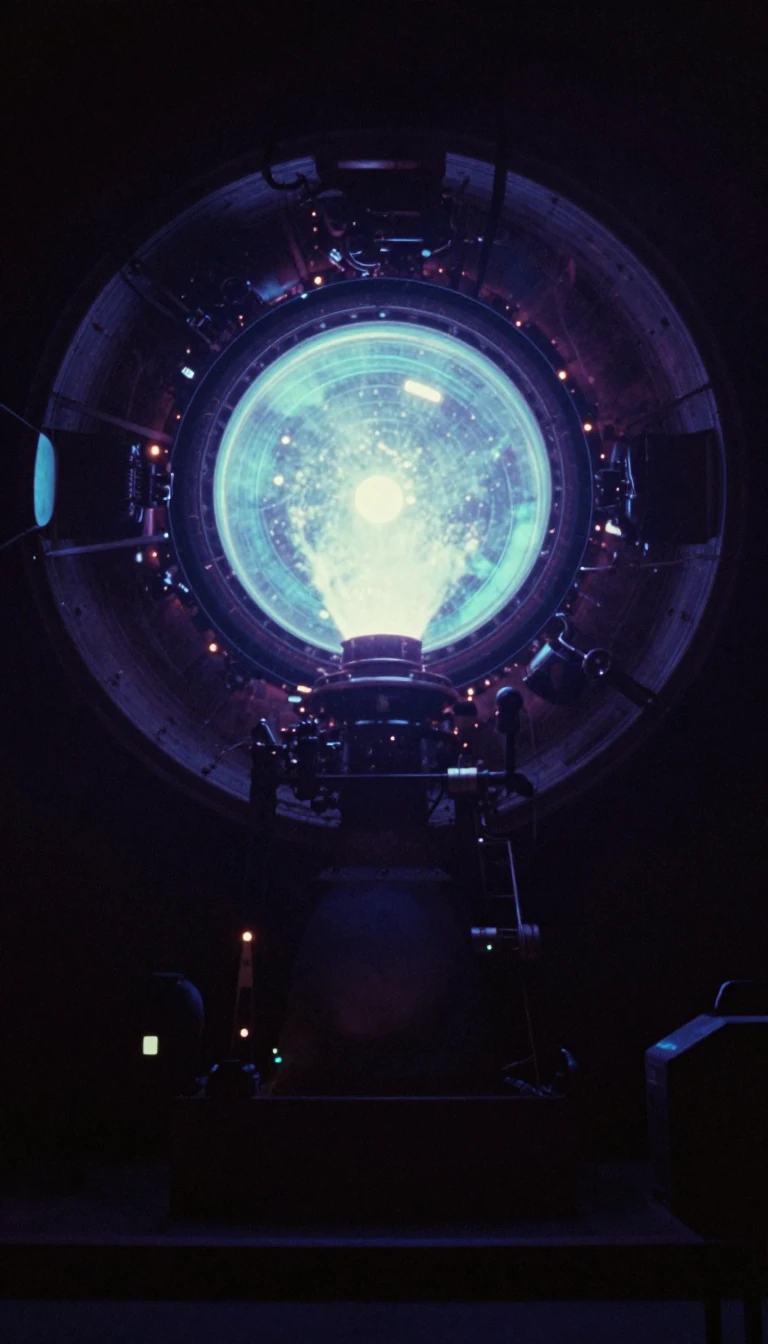
In short: Nuclear power plants are the heavy lifters of the global energy grid, designed to run for decades to amortize their massive construction costs. While they provide reliable base load power with a low carbon footprint, their economics and safety profiles remain subjects of intense debate and complex risk management.
At its core, a nuclear power plant is a sophisticated thermal station. It uses nuclear fission to heat a coolant, which then produces steam to drive turbines that generate electricity. Unlike fossil fuel plants, this process relies on uranium, a heavy metal containing isotopes like U-235, which is fissile, and U-238, which is less radioactive. Because these plants involve high capital investment and long construction timelines—often spanning five to ten years—they are typically operated as base load providers to maximize efficiency over their 40 to 60-year lifespans.
The safety and environmental impact of these facilities are frequently compared to renewable sources like wind and solar. While nuclear energy has a low carbon footprint and a strong safety record regarding accidents and pollution, it faces unique challenges. Spent fuel remains radioactive for hundreds of thousands of years, requiring careful isolation. Furthermore, the complexity of these systems has led some experts, such as sociologist Charles Perrow, to argue that unexpected failures are inherent in such tightly coupled systems. An MIT study once projected that the growth of nuclear power could lead to at least four serious accidents between 2005 and 2055, though this estimate did not account for safety improvements made since 1970.
Economic viability is another contested frontier. Historically, state-owned utilities bore the financial risks of nuclear projects, but the liberalization of electricity markets has shifted these burdens onto suppliers. Today, nuclear power generates approximately 10% of global electricity, with countries like France relying on it for about 70% of their power. As the industry evolves, innovations such as floating nuclear stations and thermal annealing techniques—which can extend a reactor's life by up to 30 years—are being explored to keep this low-carbon energy source relevant in a changing global market.
Opens the Intellect+ feed with this card first. Swipe up for the next one.
Sources
- Summary by Intellect · source: Nuclear power plant
To cite this card, link to https://intellectplus.co.uk/app/technology-nuclear-power-plant.
How we source, check and correct cards: Editorial standards.
General information, not professional advice. Spotted an error? Flag the card or see corrections and complaints.
Intellect Plus is a visual educational discovery platform for exploring fascinating facts and ideas. Brain Food, Not Brain Rot. What is Intellect Plus?
Related
More in Cars · More in Technology · Latest · A–Z · All topics
