The evolution of knowledge from physical volumes to digital feeds
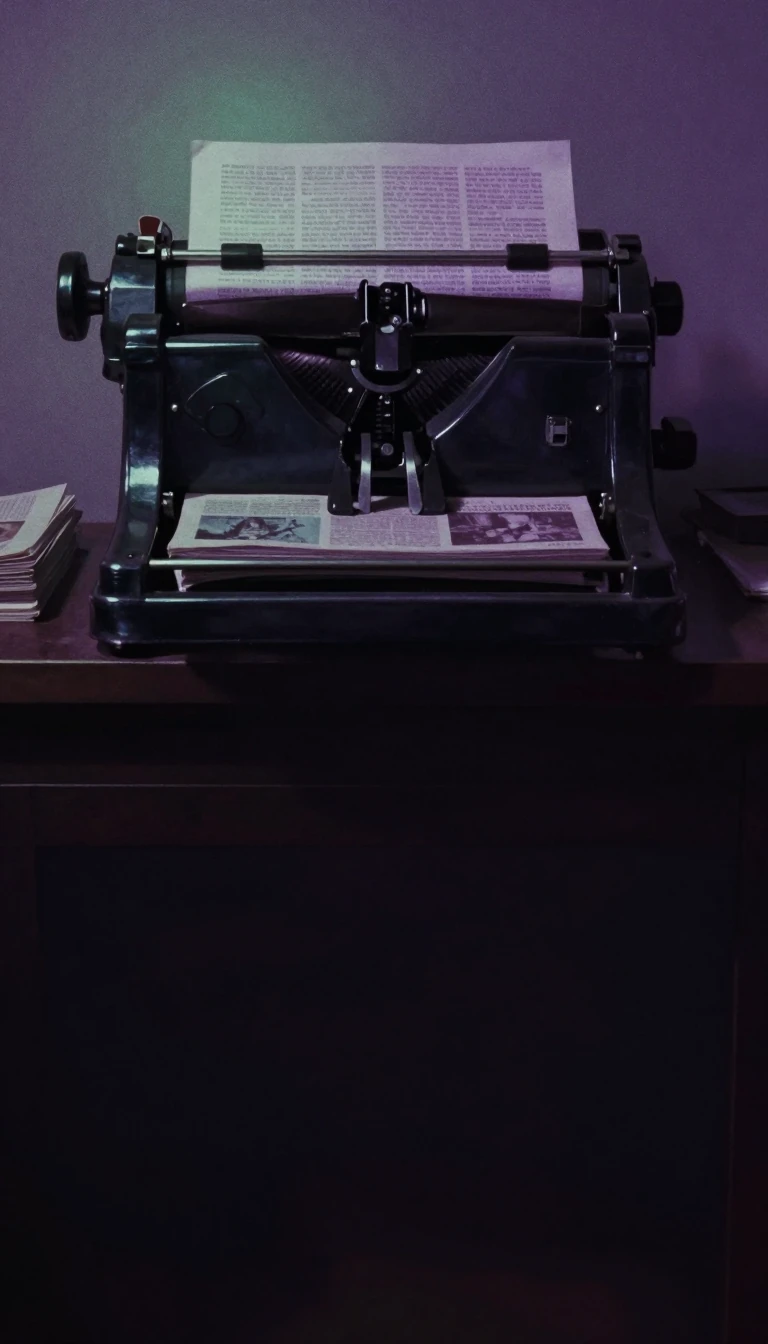
In short: Before the internet, encyclopedias were massive physical undertakings. Today, they are curated digital hubs where human expertise meets instant accessibility. From 19th-century print to modern premium subscriptions, the journey of how we store and share collective human knowledge reflects our changing relationship with truth.
The transition from print to digital was marked by significant logistical hurdles. For instance, Project Gutenberg began publishing the ASCII text of the 11th edition of Encyclopædia Britannica in January 1995. However, internal disagreements regarding the digitization method halted progress after only the first volume was completed. This project eventually resulted in the 'Gutenberg Encyclopedia' to navigate trademark issues.
While some projects struggled with methodology, others found success through diverse formats. The most recent edition of Britannica was digitized by its publishers and initially sold as a CD-ROM before moving to an online service. In contrast, other digital efforts, such as those by the Christian Classics Ethereal Library, focused on specific niche works like Easton's Bible Dictionary (1897).
The modern landscape is defined by a mix of massive databases and specialized archives. Britannica now offers a premium subscription model to provide access to its database of fact-checked articles, biographies, videos, and images. This contrasts with earlier web services like Encarta (2000–2009) or the Global Encyclopedia, which faced critical reviews regarding library acquisitions as early as 1995.
Today, these platforms serve as more than just text; they are multimedia hubs. They integrate diverse content types—ranging from historical biographies of figures like T.S. Eliot to interactive logic games and educational videos on natural phenomena like the seasons—ensuring that 'brain food' remains accessible in a high-speed digital environment.
Opens the Intellect+ feed with this card first. Swipe up for the next one.
Sources
- Summary by Intellect · source: www.britannica.com — Encyclopedia Britannica | Britannica
- Also: Online encyclopedia
To cite this card, link to https://intellectplus.co.uk/app/technology-online-encyclopedia.
How we source, check and correct cards: Editorial standards.
General information, not professional advice. Spotted an error? Flag the card or see corrections and complaints.
Intellect Plus is a visual educational discovery platform for exploring fascinating facts and ideas. Brain Food, Not Brain Rot. What is Intellect Plus?
Related
More in Internet · More in Technology · Latest · A–Z · All topics
