Why a simple tomato-shaped kitchen timer might be the ultimate productivity hack
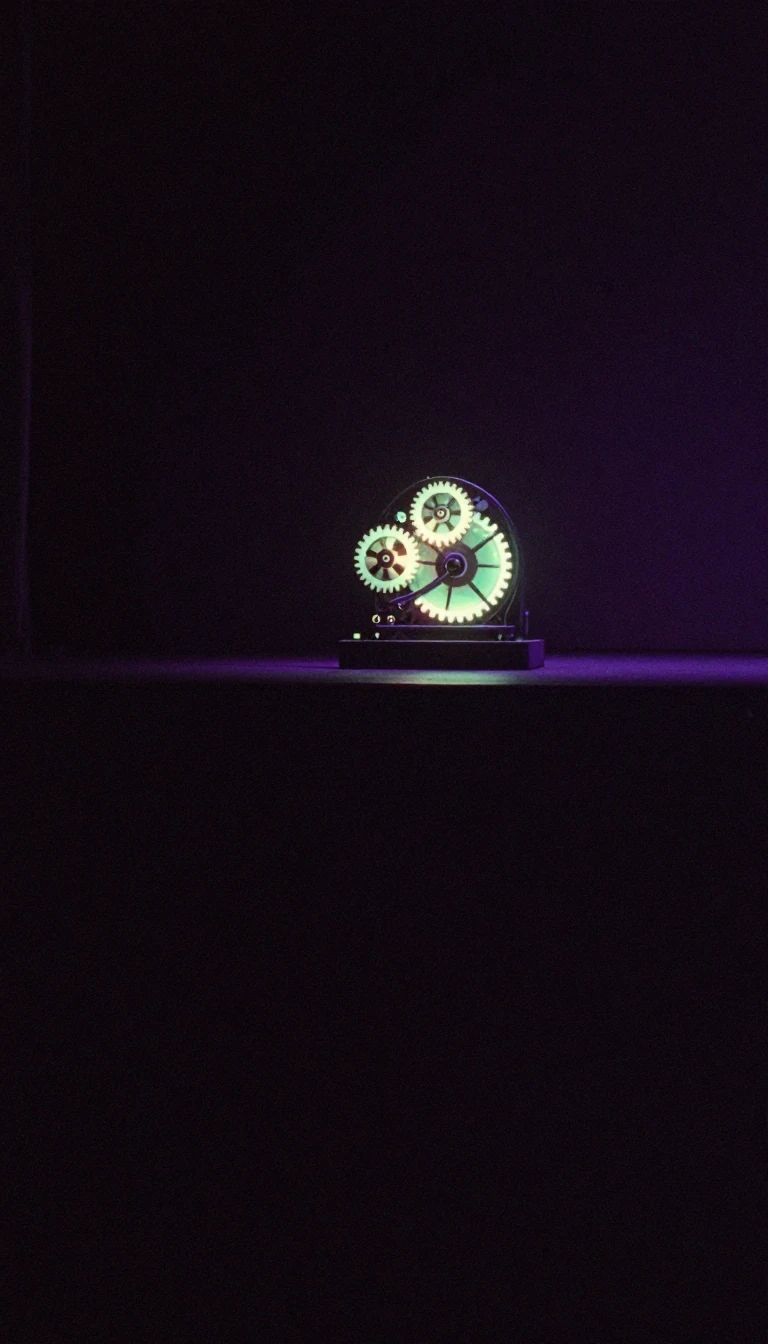
In short: Developed in the late 1980s by Francesco Cirillo, the Pomodoro Technique uses timed intervals to combat distraction. By breaking work into twenty-five-minute chunks, it aims to protect your focus from internal and external interruptions. While digital apps abound, the original method relies on the physical act of winding a mechanical timer.
The Pomodoro Technique, named after the Italian word for tomato, originated when Francesco Cirillo used a tomato-shaped kitchen timer as a university student. The core mechanism is deceptively simple: decide on a task, set a timer for twenty-five minutes, and work until it rings. This interval, called a pomodoro, is considered indivisible. If an interruption occurs, the user must either postpone the distraction or abandon the session entirely. After four pomodori, the user takes a longer break of twenty to thirty minutes, creating a structured rhythm that mirrors concepts like timeboxing and iterative development found in software engineering.
Beyond just timing, the method emphasizes a rigorous workflow involving planning, tracking, recording, processing, and visualizing. Users maintain a 'To Do Today' list to prioritize tasks before starting. Proponents argue that the low-tech approach—using a physical timer, paper, and pencil—is superior to digital alternatives. The act of winding the timer serves as a psychological commitment, while the ticking sound and the final ring provide external cues that help anchor focus and signal the necessary transition to rest.
Scientific inquiry into the technique has yielded promising results. A 2025 scoping review concluded that time-structured interventions consistently improve focus, reduce mental fatigue, and enhance sustained task performance compared to self-paced breaks. Earlier research comparing twenty-five students using the technique against thirty-five students taking self-regulated breaks found that those who chose their own break times often opted for longer study sessions, which correlated with higher fatigue and lower motivation. While the technique did not show a significant difference in total task completion or mental effort in that specific study, the evidence suggests that external structure is a powerful tool for managing cognitive energy.
The technique's influence has extended well beyond individual study, finding applications in software design and pair programming. Whether practiced with a mechanical timer or modern software, the primary goal remains the same: to minimize the impact of interruptions and maintain a state of flow by externalizing the desire to complete tasks through a rhythmic, structured cycle.
Opens the Intellect+ feed with this card first. Swipe up for the next one.
Sources
- Summary by Intellect · source: Pomodoro Technique
To cite this card, link to https://intellectplus.co.uk/app/technology-pomodoro-technique.
How we source, check and correct cards: Editorial standards.
General information, not professional advice. Spotted an error? Flag the card or see corrections and complaints.
Intellect Plus is a visual educational discovery platform for exploring fascinating facts and ideas. Brain Food, Not Brain Rot. What is Intellect Plus?
Related
More in Inventions · More in Technology · Latest · A–Z · All topics
