The simple mechanical trick that forces motion to move in only one direction
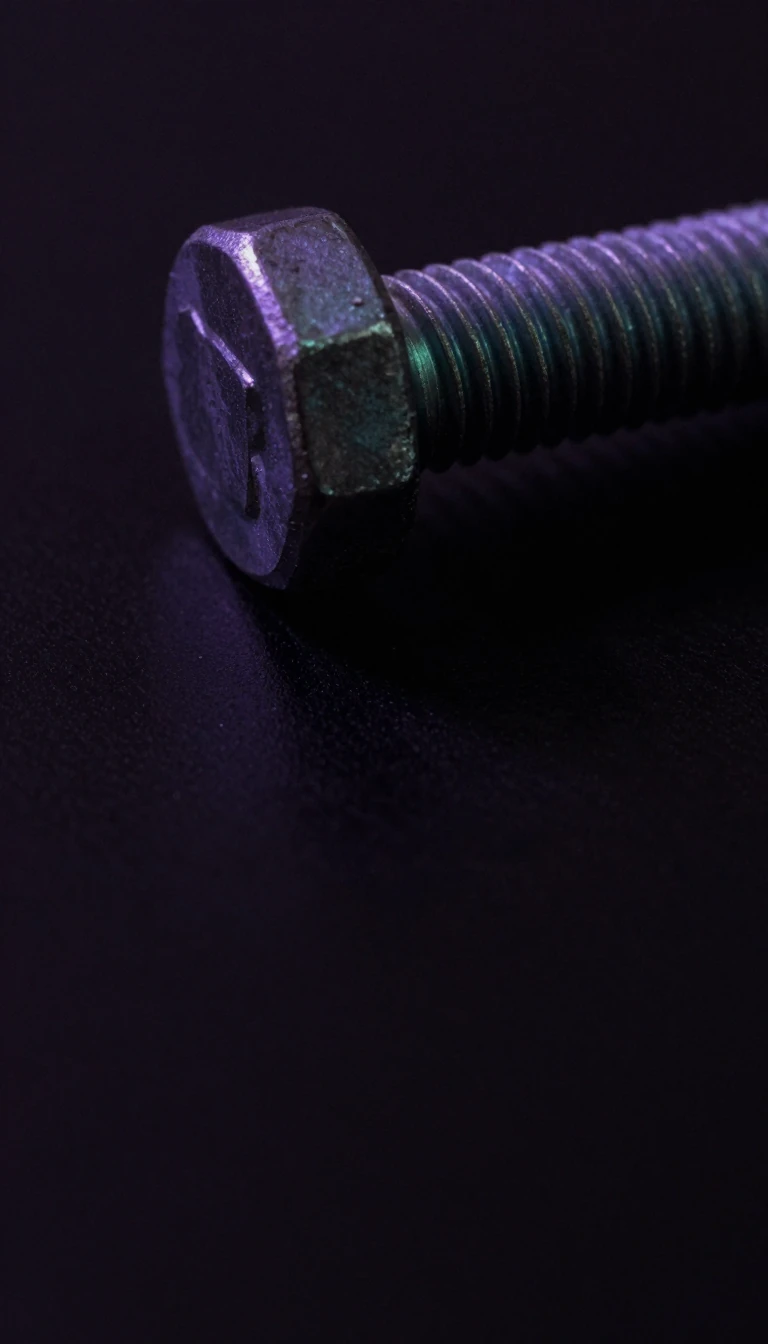
In short: A ratchet is a deceptively simple device that enables continuous rotary or linear motion while strictly prohibiting movement in the opposite direction. By using a clever combination of asymmetrical teeth and a spring-loaded pawl, it creates a one-way street for mechanical energy, essential for everything from socket wrenches to clocks.
At its core, a ratchet relies on a gear or rack featuring asymmetrical teeth. Each tooth has a gentle slope on one side and a steep, near-vertical edge on the other. A pivoting, spring-loaded finger known as a pawl—or sometimes a click in horological contexts—rides along these teeth. As the device moves in the permitted direction, the pawl slides effortlessly over the gentle slopes, clicking into place between each tooth. However, if the motion reverses, the pawl immediately catches against the steep edge of the nearest tooth, locking the mechanism in place.
This design inevitably introduces a small amount of backward movement known as backlash, which is limited to the distance between two teeth. In precision applications where even this minimal play is unacceptable, engineers may replace the toothed gear with a smooth, high-friction surface, such as rubber. In these configurations, the pawl is angled to jam against the surface upon any reversal, effectively minimizing backlash by relying on the material's compressibility rather than discrete tooth boundaries.
While we often associate ratchets with modern hand tools, the underlying principles of mechanical motion control have deep historical roots. Ancient devices like the Antikythera mechanism, dated to around 100 BCE, utilized complex gear trains and epicyclic gearing to track astronomical cycles. While the Antikythera device was primarily a calculator for the Sun, Moon, and planetary positions, it demonstrates that the mastery of gear-based motion was already highly sophisticated in the ancient world, long before the widespread industrial application of modern ratcheting systems.
The utility of the ratchet extends far beyond simple mechanical tools. The same logic of unidirectional flow is applied in diverse fields, such as check valves for fluid dynamics and diodes for electrical circuits. By enforcing a single path for energy or matter, the ratchet remains a fundamental building block of engineering, providing a reliable, passive method for maintaining control over complex mechanical and physical systems.
Opens the Intellect+ feed with this card first. Swipe up for the next one.
Sources
- Summary by Intellect · source: Ratchet | Definition, Tool & Usage | Britannica
- Also: Ratchet (device)
To cite this card, link to https://intellectplus.co.uk/app/technology-ratchet-device.
How we source, check and correct cards: Editorial standards.
General information, not professional advice. Spotted an error? Flag the card or see corrections and complaints.
Intellect Plus is a visual educational discovery platform for exploring fascinating facts and ideas. Brain Food, Not Brain Rot. What is Intellect Plus?
Related
More in Machinery and tools · More in Technology · Latest · A–Z · All topics
