Once a toxic industrial drain, the River Mersey is now a thriving wildlife corridor.
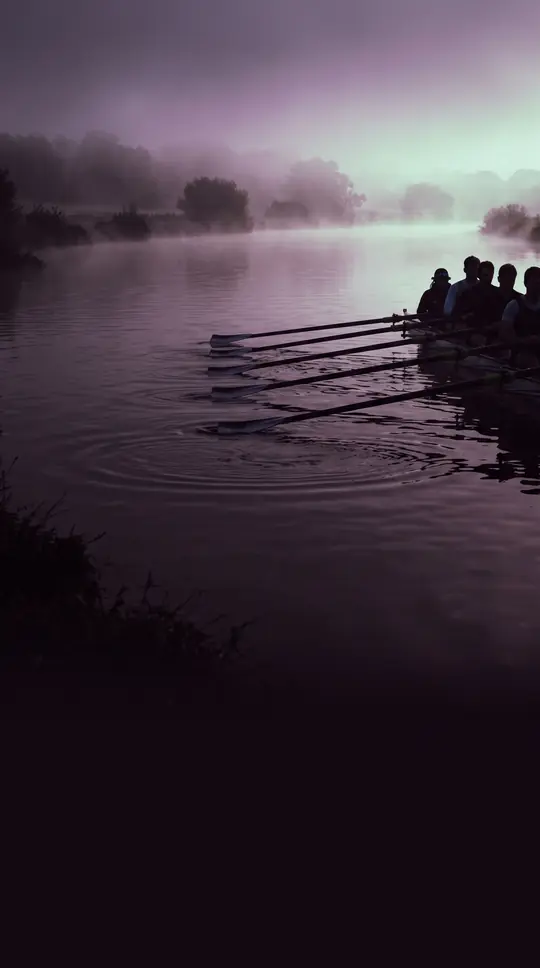
In short: For decades, the Mersey was synonymous with industrial pollution, its waters choked by the byproducts of factories. Today, it stands as one of the UK's cleanest rivers. From the return of salmon to the arrival of seals and dolphins, the river’s ecological recovery is a remarkable feat of environmental engineering.
The Mersey’s transformation began in 1985 with the establishment of the Mersey Basin Campaign, an initiative designed to reverse the severe degradation caused by centuries of industrialization. By 2002, the river reached a critical milestone: oxygen levels were finally sufficient to support fish along its entire length for the first time since the industrial revolution. By 2009, officials declared it one of the cleanest rivers in the UK, a status that has allowed biodiversity to flourish in once-barren waters.
This recovery is visible in the return of diverse species. Salmon now migrate through the river, jumping at weirs between September and November, while Atlantic grey seals, bottlenose dolphins, and harbour porpoises occasionally venture into the estuary from Liverpool Bay. The riverbanks, once dominated by heavy industry, now host nature reserves like Chorlton Ees and Sale Water Park, managed by the Mersey Valley Countryside Warden Service. The estuary itself is now a protected Ramsar site, recognized for its international importance to wildfowl.
Despite this progress, the river’s history remains embedded in its sediment. Evaluations by the British Geological Survey have found persistent organic pollutants and mercury, with concentrations of mercury reaching up to 5 mg/kg in some areas. However, vertical analysis of salt marsh cores indicates a steady decline in metal pollution since the 1980s. Today, the river serves a dual purpose: it remains a vital commercial artery through the Port of Liverpool—the first in the UK to use radar-assisted operations—while simultaneously providing a recreational space for rowing, angling, and the newly designated 13-mile Mersey Valley Way.
Opens the Intellect+ feed with this card first. Swipe up for the next one.
Sources
- Summary by Intellect · source: River Mersey
To cite this card, link to https://intellectplus.co.uk/app/technology-river-mersey.
How we source, check and correct cards: Editorial standards.
General information, not professional advice. Spotted an error? Flag the card or see corrections and complaints.
Intellect Plus is a visual educational discovery platform for exploring fascinating facts and ideas. Brain Food, Not Brain Rot. What is Intellect Plus?
Related
More in Inventions · More in Technology · Latest · A–Z · All topics
