From medieval fire arrows to GPS-guided missiles, the evolution of rocket artillery.
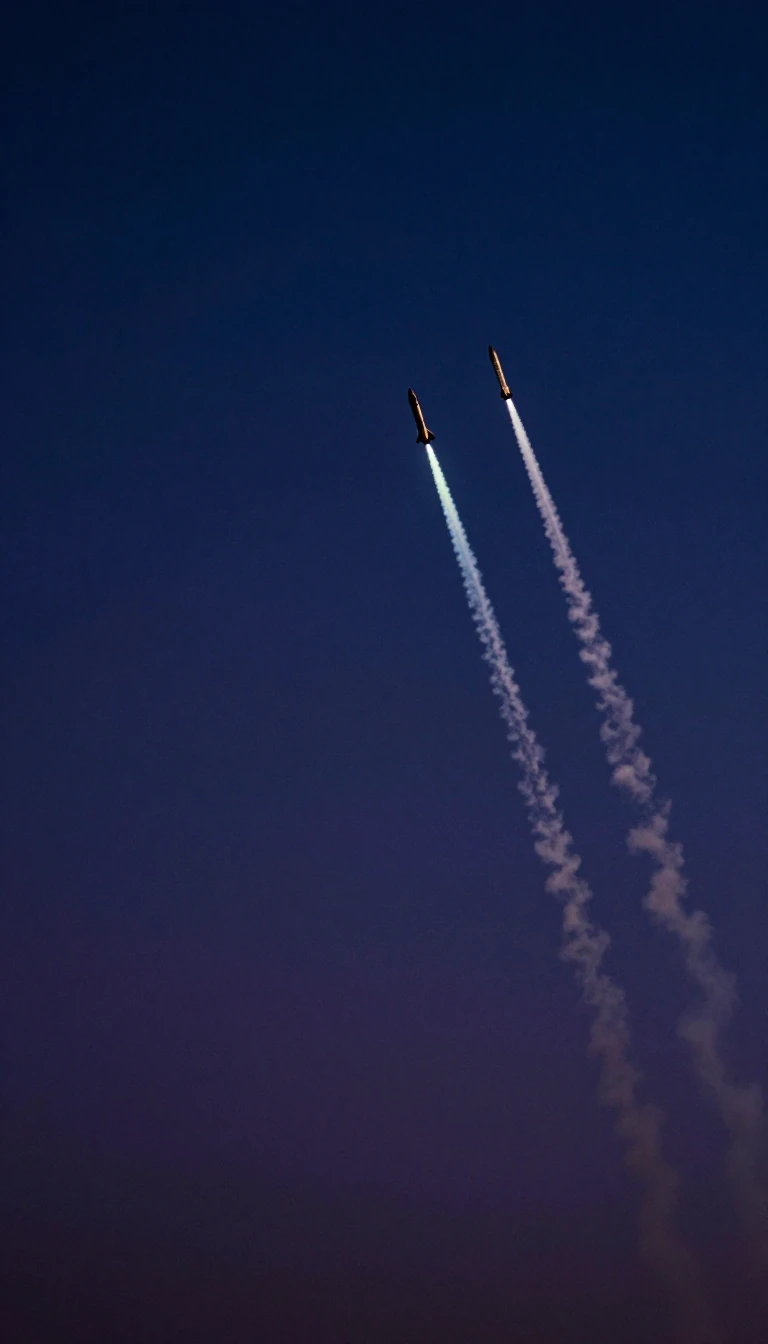
In short: Rocket artillery has evolved from psychological warfare in medieval China to a precision-guided force on modern battlefields. By trading the recoil of conventional guns for the mobility of truck-mounted launchers, these systems deliver massive, rapid strikes that define the modern shoot-and-scoot doctrine of warfare.
The history of rocket artillery traces back to medieval China, where fire arrows were deployed in multiple launch systems. By the 16th century, the Mughal Empire introduced metal casings to these projectiles, increasing their durability and explosive capacity. This innovation reached its zenith in the Kingdom of Mysore under Tipu Sultan, who utilized iron-cased rockets against the East India Company. These weapons, which could travel up to 2 km, relied on tightly packed black powder to generate thrust, proving effective enough that the British Royal Arsenal began a dedicated research program in 1801 to analyze captured Mysorean technology.
In the 19th century, William Congreve refined these designs for the British military, introducing standardized gunpowder and shrapnel-filled warheads. Despite these advancements, early rockets suffered from poor aerodynamic stability. It was not until William Hale introduced tail fins and directed nozzles that spin-stabilization significantly improved accuracy. By the time of the American Civil War, however, conventional artillery improvements had largely eclipsed rocket use. It took the industrial scale of World War II to revive the technology, with the Soviet Katyusha and German Nebelwerfer systems becoming iconic symbols of mobile, high-volume fire support.
Modern rocket artillery, such as the US M270 system, operates on different physical principles than traditional guns. Because rockets produce little recoil, they do not require the heavy bracing needed by conventional artillery, allowing for highly mobile, vehicle-mounted platforms. While they historically struggled with accuracy compared to gun artillery, the integration of GPS and inertial navigation has largely mitigated this disadvantage. Today, rocket artillery remains a potent tool for delivering intense, simultaneous barrages, though it remains distinct from gun artillery due to its large fire signature and the logistical challenges of backblast management.
Opens the Intellect+ feed with this card first. Swipe up for the next one.
Sources
- Summary by Intellect · source: Rocket artillery
To cite this card, link to https://intellectplus.co.uk/app/technology-rocket-artillery.
How we source, check and correct cards: Editorial standards.
General information, not professional advice. Spotted an error? Flag the card or see corrections and complaints.
Intellect Plus is a visual educational discovery platform for exploring fascinating facts and ideas. Brain Food, Not Brain Rot. What is Intellect Plus?
Related
More in Military technology · More in Technology · Latest · A–Z · All topics
