The modern slow cooker is a high-tech evolution of ancient hearth-side cooking methods.
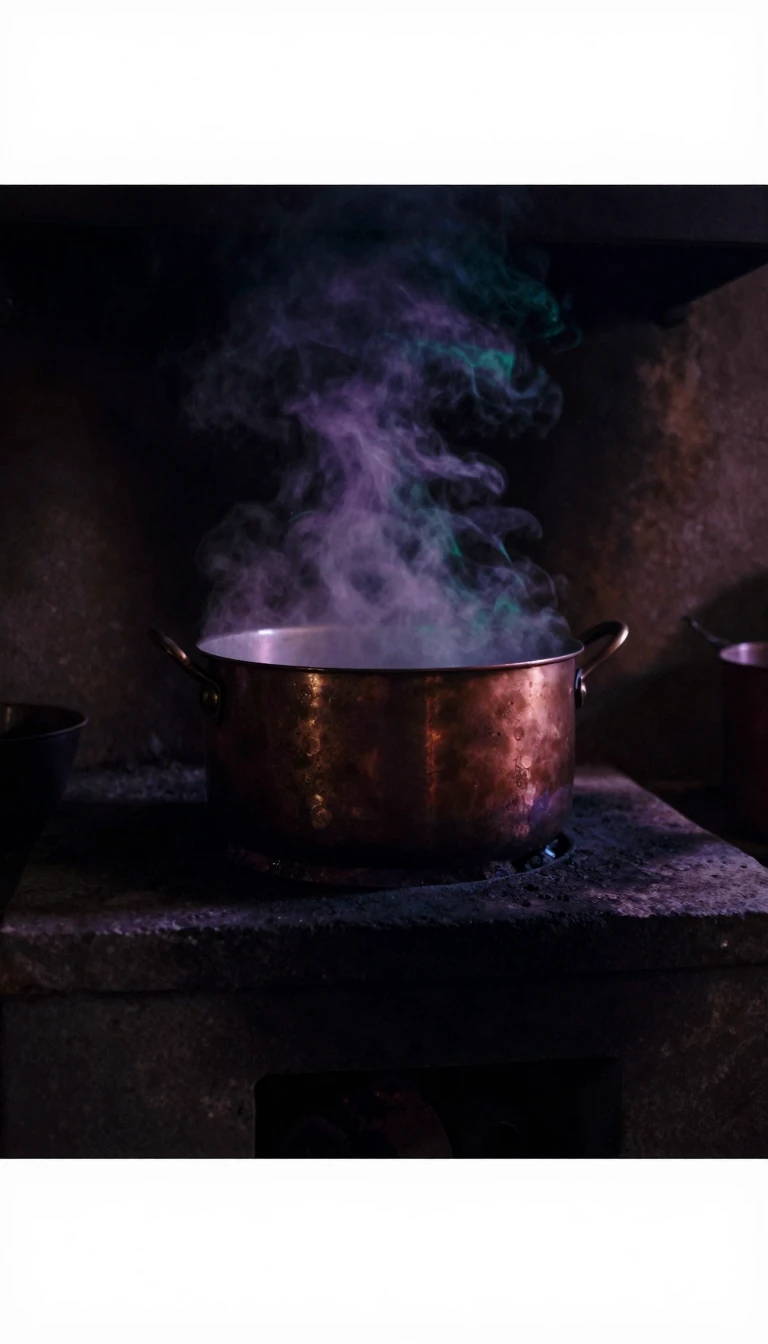
In short: Before electrical grids, households relied on residual heat from brick ovens and dying fires to tenderize tough meats. Today, the slow cooker automates this ancient wisdom, using precise thermal energy to break down connective tissue. It is a masterclass in convenience that transforms inexpensive ingredients into nourishing, meltingly tender meals.
The slow cooker traces its lineage to traditional vessels like the Moroccan tagine, French cocottes, and Asian sand pots. These tools were designed to trap steam and conserve heat, allowing cooks to tenderize fibrous cuts of meat and legumes over hours. By utilizing the residual heat of communal bread ovens or charcoal braziers, early cooks mastered thermal inertia, creating a continuous basting cycle that infused ingredients with concentrated flavors. This heritage of low-heat, sustained cooking remains the foundation of the modern appliance.
The commercial evolution began with Irving Naxon, who developed the Naxon Beanery All-Purpose Cooker in the 1940s, inspired by his mother’s stories of Lithuanian cholent. In 1970, the Rival Company acquired Naxon’s patent and tasked inventor Alex MacMaster with scaling the design for family-sized meals. Reintroduced as the Crock-Pot in 1971, the device became a staple for working households. By 1974, the addition of removable stoneware inserts improved usability, leading to the diverse range of computerized models available today, which can manage delayed starts and multi-stage cooking cycles.
Mechanically, a slow cooker operates by maintaining a steady temperature between 79 and 93 °C, well below the boiling point. This environment is ideal for gelatinizing connective tissue in tough cuts like brisket or pork shoulder. However, the method has limitations. Because it does not reach 100 °C, it cannot deactivate the toxic lectin phytohemagglutinin found in dried kidney beans, making it unsafe for such legumes unless they are pre-boiled. Additionally, the slow temperature ramp-up means vegetables may lose more nutrients than they would in rapid boiling, as enzymes remain active for longer periods before denaturing.
Modern iterations have moved far beyond the basic constant-heat models of the past. Advanced units now feature electronic probes that automatically switch to a 71–74 °C warming mode once the food reaches a target temperature. Despite these technological leaps, the core principle remains unchanged: a sealed, low-pressure environment that prevents moisture loss and allows for unattended, energy-efficient cooking. Whether powered by a standard outlet or 1–2 kW solar panels, the slow cooker remains a unique bridge between ancient culinary techniques and contemporary convenience.
Opens the Intellect+ feed with this card first. Swipe up for the next one.
Sources
- Summary by Intellect · source: Slow cooker
To cite this card, link to https://intellectplus.co.uk/app/technology-slow-cooker.
How we source, check and correct cards: Editorial standards.
General information, not professional advice. Spotted an error? Flag the card or see corrections and complaints.
Intellect Plus is a visual educational discovery platform for exploring fascinating facts and ideas. Brain Food, Not Brain Rot. What is Intellect Plus?
Related
More in Machinery and tools · More in Technology · Latest · A–Z · All topics
