Why your local paper shop is named after a medieval fixed-location book merchant
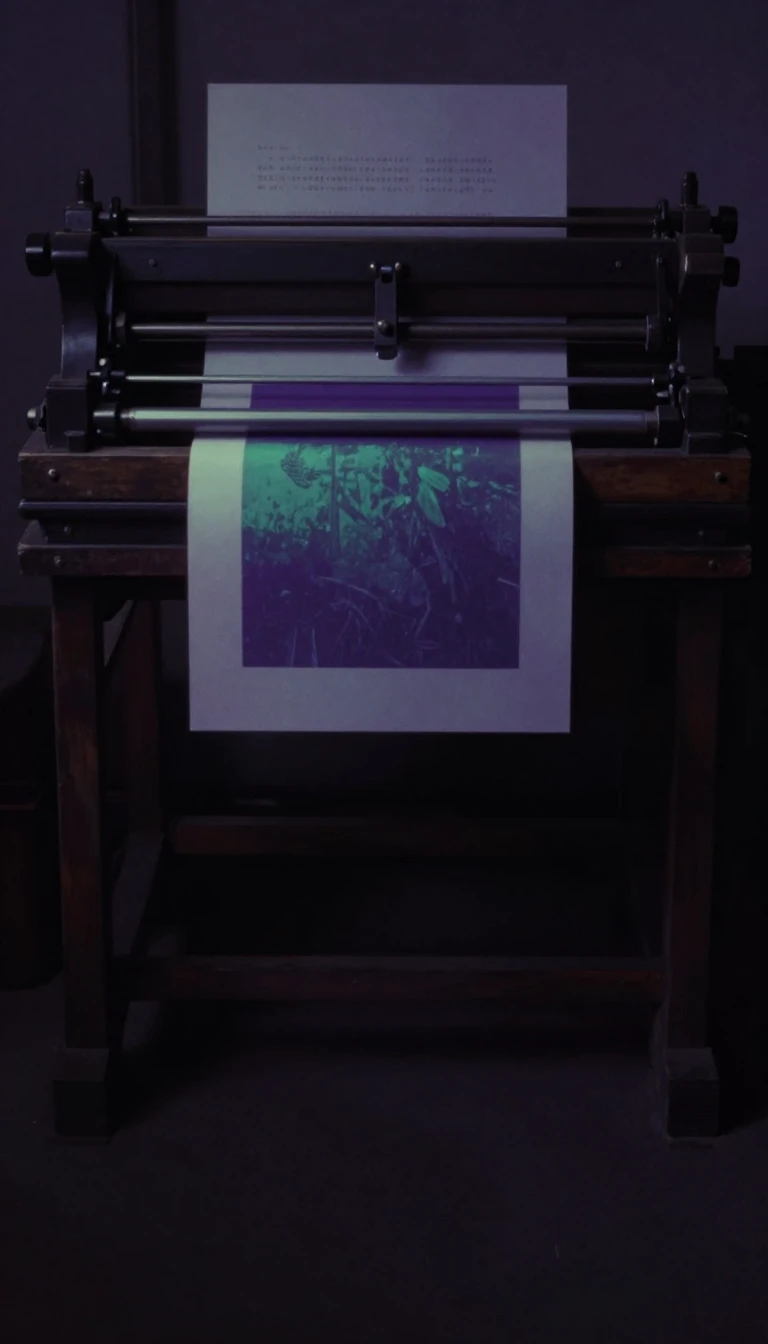
In short: The term stationery originated in the 13th century to describe merchants with permanent shops near universities, distinguishing them from itinerant peddlers. While we now use the word for paper and envelopes, these original stationers were the gatekeepers of knowledge, binding, copying, and renting out books to medieval scholars.
Between the 13th and 15th centuries, the stationer was a fixture of the manuscript culture. Unlike the chapmen and farmers who traded at temporary markets, the stationer operated from a fixed location. These shops were essential hubs for students, providing access to books that were often unavailable in university libraries. To manage their collections, stationers loaned books in sections; students could only receive the next portion of a text once they returned the previous one, a system that facilitated both study and copying.
The influence of these merchants extended far beyond retail. In England, the Stationers' Company eventually secured a monopoly over the entire publishing industry, wielding significant power over copyright regulations. Today, the definition of stationery has narrowed to focus on the physical materials used for writing, such as pads, envelopes, and printer paper, while the tools used to mark them—like pens or fasteners—are classified as office supplies.
Modern stationery production employs a variety of sophisticated techniques to create texture and depth. While traditional engraving requires skilled artisans to cut designs into metal plates under high pressure, many consumers now prefer thermographic printing. This cost-effective alternative uses wet ink dusted with polymer, which is then heated to create a raised, tactile surface that mimics the look of expensive engraving. Other methods, such as embossing, use mated dies to physically reshape the paper stock into three-dimensional designs, proving that even in a digital age, the physical surface of a document remains a canvas for craft.
Opens the Intellect+ feed with this card first. Swipe up for the next one.
Sources
- Summary by Intellect · source: Stationery
To cite this card, link to https://intellectplus.co.uk/app/technology-stationery.
How we source, check and correct cards: Editorial standards.
General information, not professional advice. Spotted an error? Flag the card or see corrections and complaints.
Intellect Plus is a visual educational discovery platform for exploring fascinating facts and ideas. Brain Food, Not Brain Rot. What is Intellect Plus?
Related
More in Media and communication · More in Technology · Latest · A–Z · All topics
