The electromechanical teleprinter automated global communication long before the digital age of the internet.
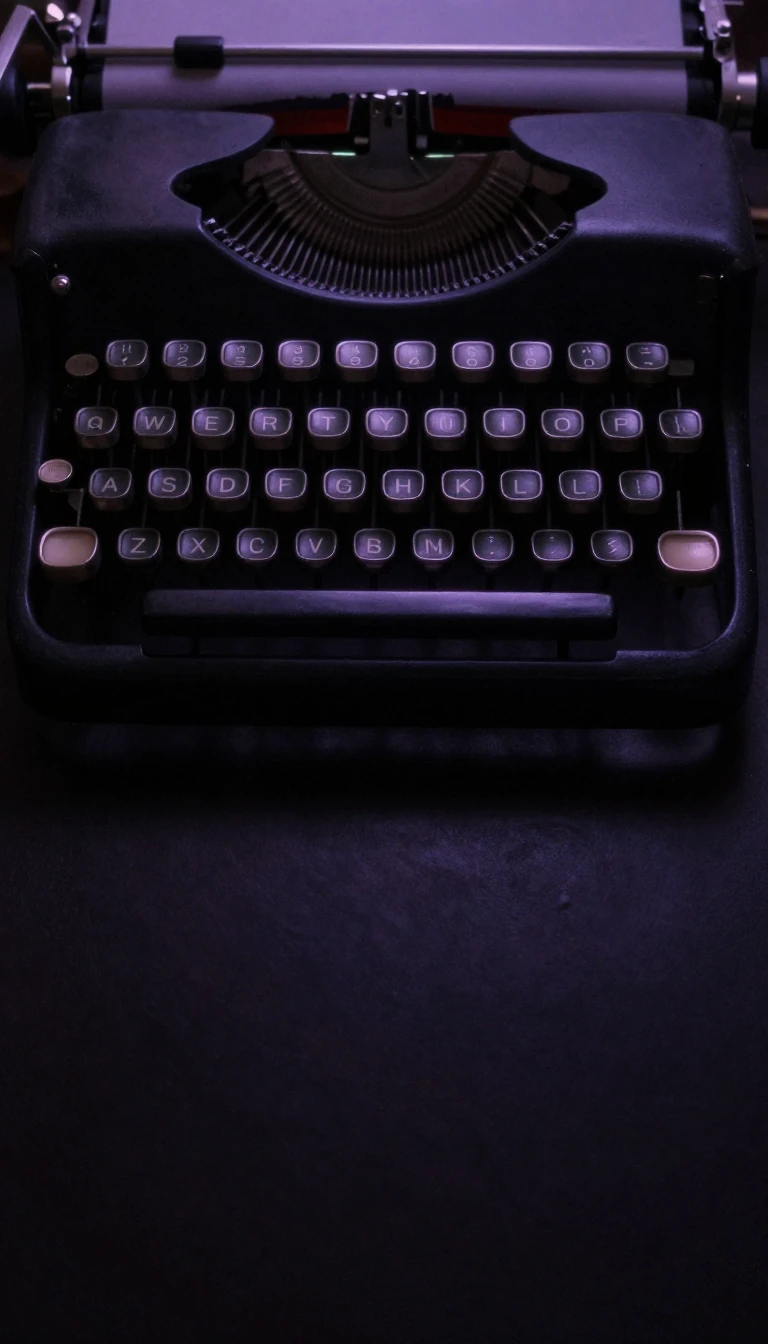
In short: Before screens and keyboards dominated our lives, the teleprinter revolutionized how the world shared information. By replacing skilled Morse code operators with automated machines, this electromechanical marvel enabled near-instant text transmission across continents, laying the foundational logic for modern computing, data storage, and even the way we format digital text.
The teleprinter emerged from a century of innovation, evolving from Samuel Morse’s 1835 recording telegraph to the sophisticated start-stop synchronization systems patented by Howard Krum in the early 20th century. By the 1920s, companies like Morkrum-Kleinschmidt and Creed & Company had perfected machines that could transmit messages at speeds exceeding 60 words per minute. These devices utilized a 5-bit code known as ITA2, which relied on 'FIGS' and 'LTRS' shift keys to expand its limited 32-character capacity, a clever mechanical workaround for early hardware constraints.
Beyond simple point-to-point messaging, teleprinters formed the backbone of complex global networks. They were used in 'loop' systems for police departments, broadcast networks for news agencies like UPI, and message-switching centers that functioned as early, electromechanical precursors to email. Operators could punch messages onto paper tape, allowing data to be stored, edited offline, and retransmitted across vast distances. This infrastructure was so robust that by 1938, a weather-tracking network spanned over 20,000 miles across the United States.
The legacy of the teleprinter persists in modern computing, even as the physical hardware has largely vanished. The 'CR' (Carriage Return) and 'LF' (Line Feed) control characters, originally designed to move a physical printer carriage, remain standard in today’s software. Furthermore, the asynchronous communication logic—using start and stop bits to frame data—remains a fundamental concept in serial data transmission. While modern systems have replaced mechanical type-wheels with monitors, the term 'TTY' remains a common artifact in Unix-based operating systems, a nod to the era when text was physically hammered onto paper by electric currents.
Opens the Intellect+ feed with this card first. Swipe up for the next one.
Sources
- Summary by Intellect · source: Teleprinter
To cite this card, link to https://intellectplus.co.uk/app/technology-teleprinter.
How we source, check and correct cards: Editorial standards.
General information, not professional advice. Spotted an error? Flag the card or see corrections and complaints.
Intellect Plus is a visual educational discovery platform for exploring fascinating facts and ideas. Brain Food, Not Brain Rot. What is Intellect Plus?
Related
More in Media and communication · More in Technology · Latest · A–Z · All topics
