Thermobaric weapons turn the very air around a target into a lethal explosive force.
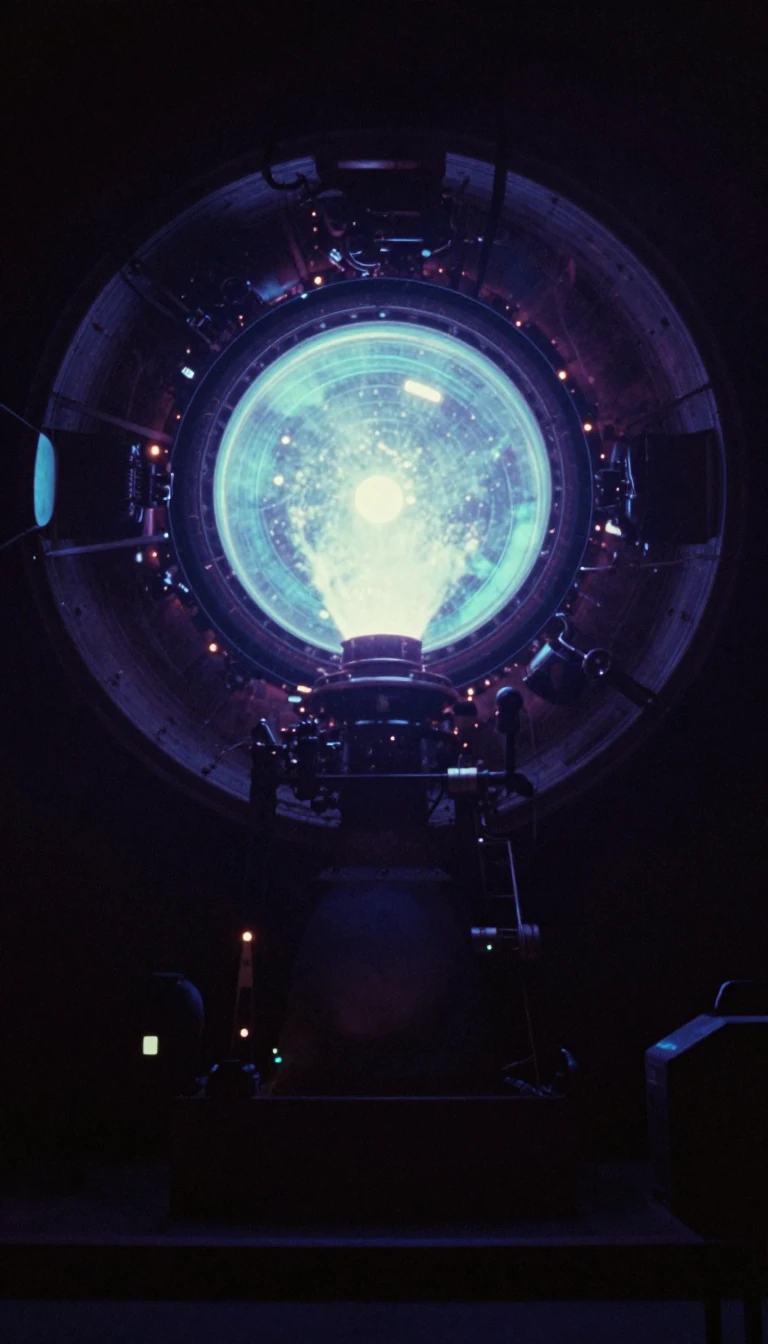
In short: Unlike conventional bombs that carry their own oxidizer, thermobaric weapons pull oxygen from the atmosphere to fuel a massive, sustained blast. This unique mechanism creates a prolonged pressure wave and intense heat, making them devastatingly effective against personnel inside bunkers, tunnels, and other enclosed spaces where traditional armor offers no protection.
A thermobaric weapon, often called a vacuum bomb or fuel-air explosive, functions by dispersing a cloud of fuel that ignites using surrounding atmospheric oxygen. While standard explosives rely on a pre-mixed fuel-oxidizer charge, thermobaric munitions consist primarily of fuel. This design makes them significantly more energetic by weight than conventional alternatives. Upon impact, a small scatter charge ruptures the container, creating a fuel cloud that flows around obstacles and into structures before a second charge ignites it. This process generates a blast wave that lasts much longer than that of a traditional explosive, often creating a series of reflective shock waves when confined.
The lethality of these weapons is particularly severe in enclosed environments. The blast mechanism involves a high-pressure front followed by a sharp drop in pressure—a rarefaction effect that can rupture lungs and internal organs. If the fuel deflagrates rather than detonates, victims may suffer horrific burns or suffocation from inhaling toxic fuel vapors. Because the pressure wave can bypass standard barriers like sandbags or personnel armor, it is uniquely suited for clearing fortified positions such as caves, bunkers, and masonry buildings. Intelligence reports suggest that victims may remain conscious for minutes while suffocating, as the blast itself often causes minimal initial damage to brain tissue.
Development of these weapons has spanned over a century, from early incendiary shells in World War I to modern, sophisticated munitions. The United States pioneered fuel-air explosives during the Vietnam War, while the Soviet Union and later Russia developed an extensive array of third-generation variants, including the RPO-A and the massive 'Father of All Bombs'. Other nations, including China, Spain, India, and Ukraine, have also pursued thermobaric technology. Modern designs now incorporate advanced materials like nanofuels and tandem-charge warheads, which allow a precursor charge to breach reinforced concrete before the main thermobaric payload detonates inside, ensuring maximum destruction of both equipment and personnel.
Opens the Intellect+ feed with this card first. Swipe up for the next one.
Sources
- Summary by Intellect · source: Thermobaric weapon
To cite this card, link to https://intellectplus.co.uk/app/technology-thermobaric-weapon.
How we source, check and correct cards: Editorial standards.
General information, not professional advice. Spotted an error? Flag the card or see corrections and complaints.
Intellect Plus is a visual educational discovery platform for exploring fascinating facts and ideas. Brain Food, Not Brain Rot. What is Intellect Plus?
Related
More in Military technology · More in Technology · Latest · A–Z · All topics
