Is there a reality beyond human perception, or is everything just a mental construct?
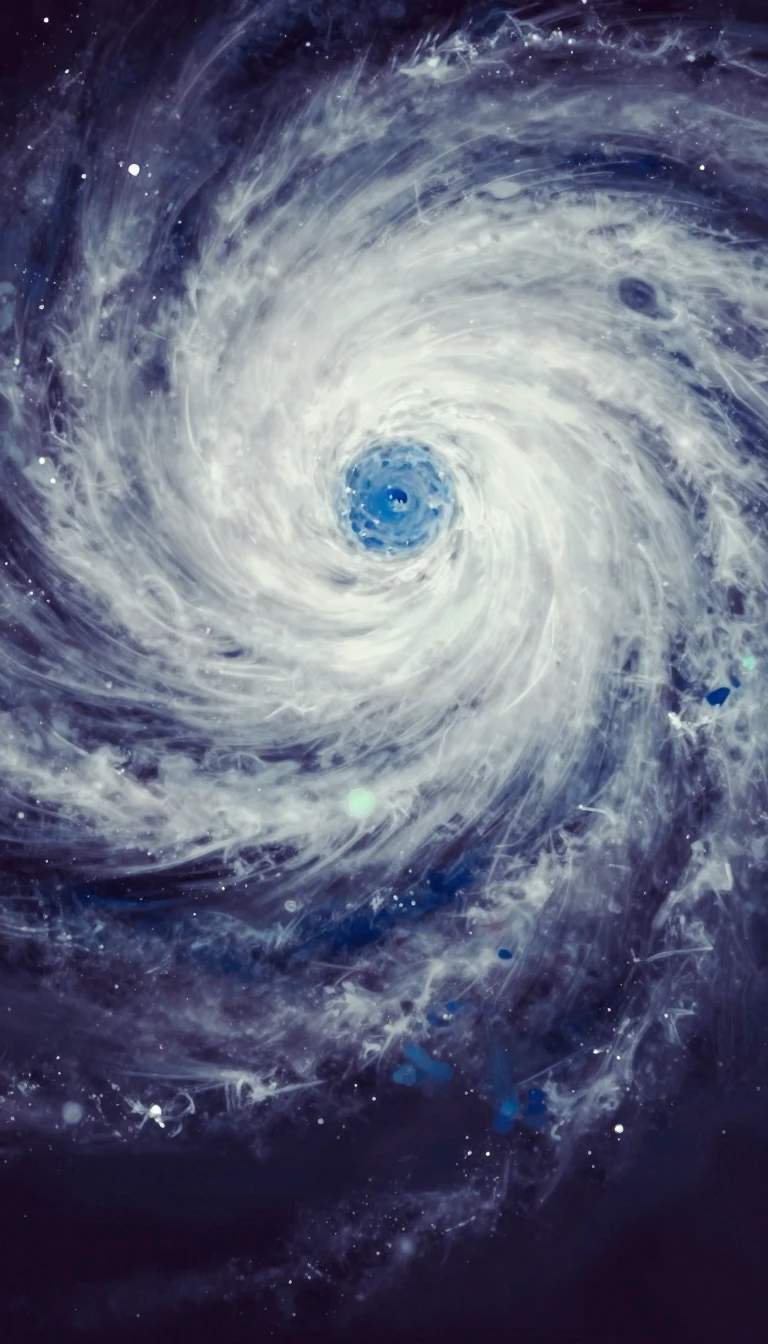
In short: Immanuel Kant proposed the thing-in-itself to describe reality as it exists independently of our senses. While we experience phenomena through the filters of space, time, and intellect, the thing-in-itself remains forever beyond our reach. This concept marks the absolute limit of human knowledge and remains a profound philosophical puzzle.
The concept of the thing-in-itself, or noumenon, serves as the cornerstone of Immanuel Kant’s transcendental idealism. Kant argued that our minds do not perceive the world as it truly is. Instead, we impose structures—specifically the forms of space and time and categories of understanding—onto sensory data. Consequently, what we call reality is merely a collection of phenomena, or appearances, shaped by our own cognitive architecture.
Kant posited that behind these appearances lies an ultimate, intelligible reality: the thing-in-itself. He maintained that this entity exists independently of observation, yet he insisted it is fundamentally unknowable. Because human knowledge arises only through the synthesis of sensory ideas, we can never penetrate the veil of our own perception to grasp the object in its raw, unmediated state. This created a paradox: Kant suggested things-in-themselves must exist as partial causes of our perceptions, yet he simultaneously claimed they do not exist in space or time and cannot enter into causal relations.
This tension sparked intense debate among later philosophers. Critics, such as those behind the influential work Aenesidemus, argued that if the category of causality applies only to objects of experience, Kant had no logical right to claim that things-in-themselves cause our perceptions. Some thinkers, like Fichte, chose to scrap the concept entirely to build a more consistent system. Others, like Schopenhauer, defended the distinction as Kant’s greatest merit, even while acknowledging that his method of deriving it was flawed. Ultimately, the thing-in-itself remains a boundary marker, defining the edge where human reason meets the limits of what can be known.
Opens the Intellect+ feed with this card first. Swipe up for the next one.
Sources
- Summary by Intellect · source: Thing-in-itself | philosophy | Britannica
- Also: Thing-in-itself
To cite this card, link to https://intellectplus.co.uk/app/technology-thing-in-itself.
How we source, check and correct cards: Editorial standards.
General information, not professional advice. Spotted an error? Flag the card or see corrections and complaints.
Intellect Plus is a visual educational discovery platform for exploring fascinating facts and ideas. Brain Food, Not Brain Rot. What is Intellect Plus?
Related
More in Inventions · More in Technology · Latest · A–Z · All topics
