That ringing in your ears might be your brain trying to fix itself
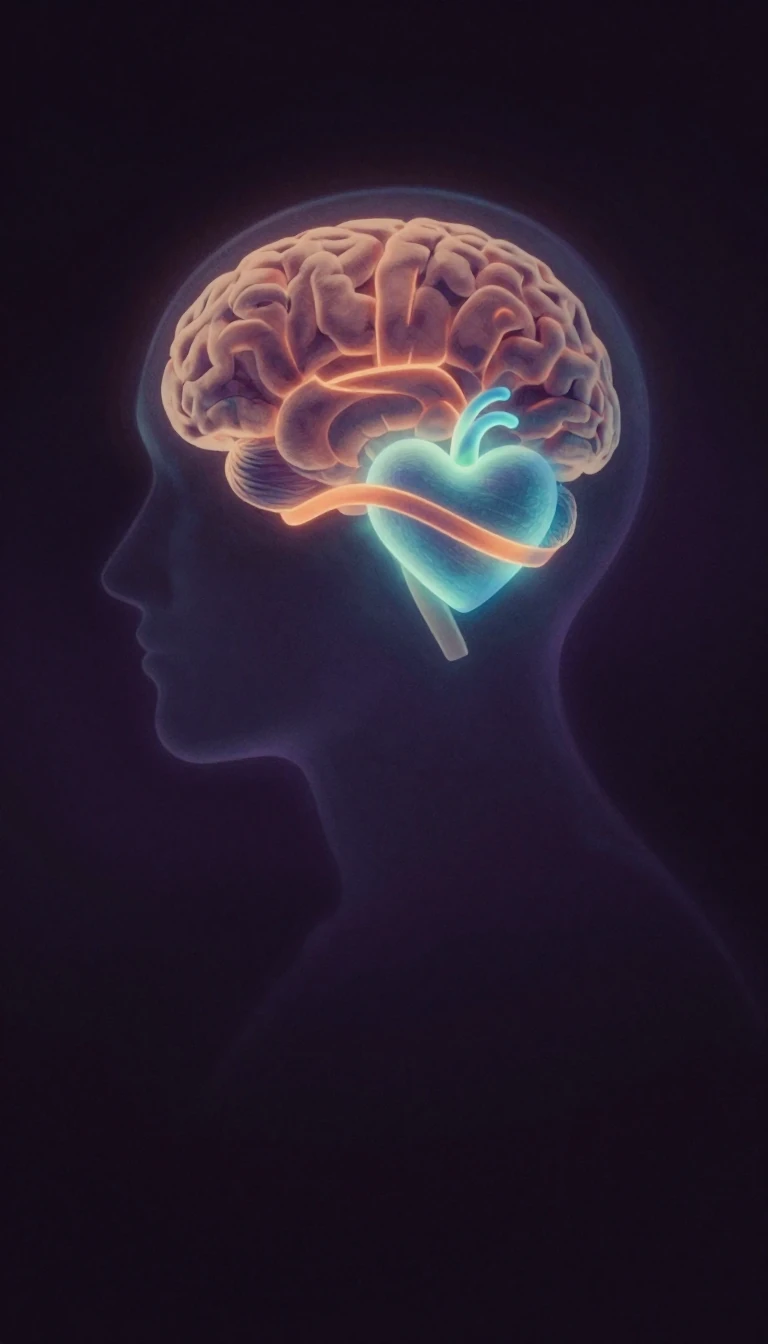
In short: Tinnitus is not a disease, but a symptom—a phantom sound generated by your own auditory system. While often dismissed as a simple annoyance, it is frequently a homeostatic response to hearing loss, where the brain overcompensates for missing input by amplifying neural activity until it creates its own noise.
Tinnitus, derived from the Latin word for ringing, affects roughly 10–15% of the population. Although most people adapt to the condition, it becomes a severe problem for 1–2% of individuals. The experience is highly variable; it can sound like buzzing, hissing, or roaring, and may be constant or intermittent. Crucially, the level of distress is often more closely tied to a person's psychological state—such as anxiety or depression—than to the actual volume or frequency of the perceived sound.
The most common cause is hearing loss, particularly cochlear injury. When sensory hair cells in the inner ear are damaged, the central auditory pathway may undergo neuroplastic changes. In this theory, the brain attempts to compensate for the loss of specific sound frequencies by cranking up the gain on those channels. This over-amplification can lead to the constant perception of sound even in the absence of any external stimulus. In some cases, tinnitus is somatic, meaning it can be modulated by physical movements of the jaw, neck, or head.
Diagnosis typically involves an audiogram and a thorough examination of the head and neck. While most tinnitus is subjective—meaning only the patient can hear it—a rare form called objective tinnitus can sometimes be detected by a clinician using a stethoscope. This version is often linked to vascular conditions or muscle spasms near the middle ear. Because there is no pharmaceutical cure, management focuses on psychoeducation, counseling, and sound therapy to help patients habituate to the noise.
It is important to note that tinnitus can be triggered by a wide array of factors, including over 260 different medications, earwax, or even noise pollution from heavy traffic. Because it can be a symptom of underlying issues like tumors or vascular abnormalities, persistent or pulsatile cases—where the sound beats in time with the heart—require professional evaluation to rule out serious pathology.
Opens the Intellect+ feed with this card first. Swipe up for the next one.
Sources
- Summary by Intellect · source: Tinnitus
To cite this card, link to https://intellectplus.co.uk/app/technology-tinnitus.
How we source, check and correct cards: Editorial standards.
General information, not professional advice. Spotted an error? Flag the card or see corrections and complaints.
Intellect Plus is a visual educational discovery platform for exploring fascinating facts and ideas. Brain Food, Not Brain Rot. What is Intellect Plus?
Related
More in Motorbikes · More in Technology · Latest · A–Z · All topics
