Why your USB cables are designed to fail before your devices do
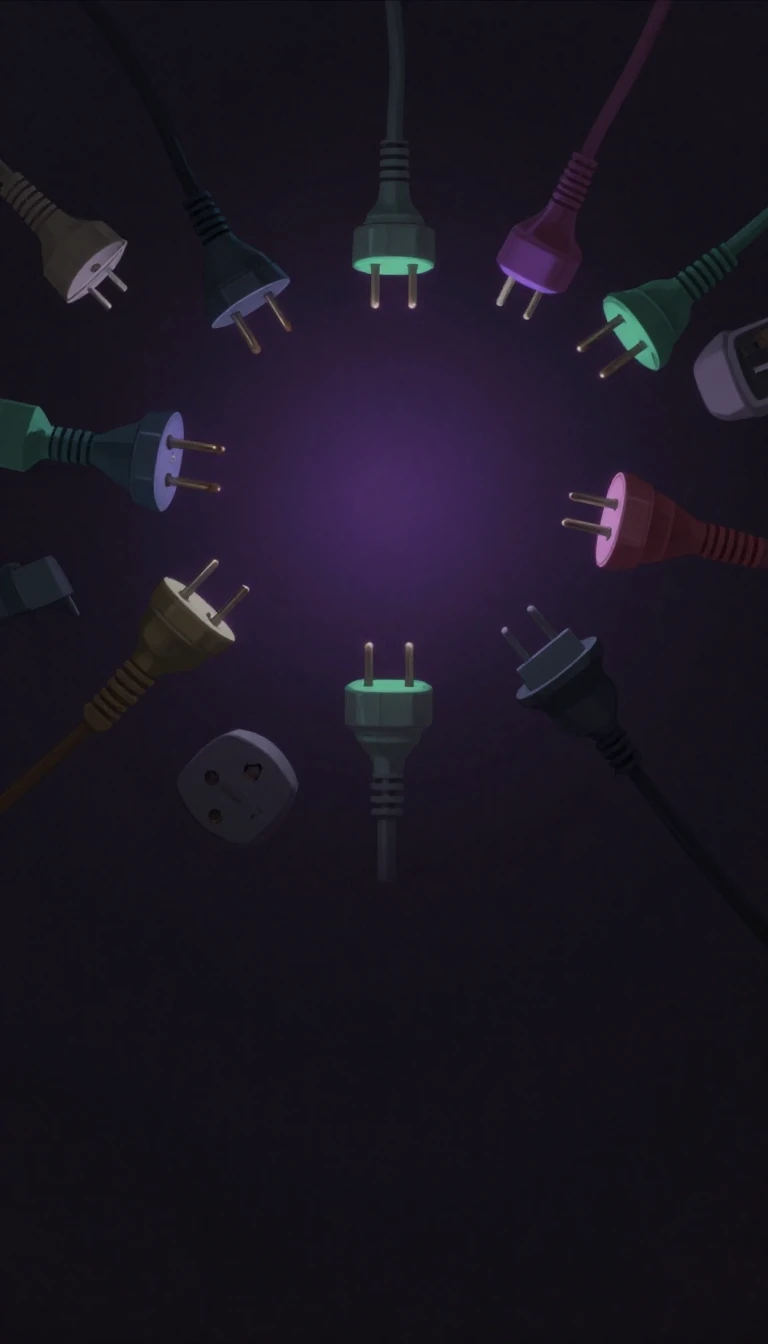
In short: USB hardware is engineered with a deliberate hierarchy of wear. By placing the most fragile components on the cable rather than the device, engineers ensure that the cheaper, replaceable part bears the mechanical stress of thousands of insertions, protecting your expensive electronics from the inevitable degradation of daily use.
The architecture of USB is built on a directed, tiered star-like network topology designed to prevent electrical damage. Traditionally, this relies on a strict A-to-B connector scheme. The Type-A plug, found on hosts like computers, connects to a downstream-facing port, while the Type-B plug connects to the upstream-facing port of a peripheral. This physical distinction prevents users from accidentally connecting two power sources, which could lead to electrical overloads.
To manage the physical wear of frequent connections, USB standards specify a minimum rated lifetime for connectors. While original standards were rated for 1,500 cycles, newer designs like Micro-USB and USB-C are rated for at least 10,000 cycles. Engineers achieved this by moving the leaf spring from the device jack to the cable plug. Consequently, when a connection inevitably wears out, the damage is concentrated on the cable, which is significantly less expensive to replace than the device's internal port.
The evolution of these connectors reflects a move toward both durability and versatility. The transition from the original Standard connectors to Mini and then Micro sizes allowed for thinner mobile devices, eventually leading to the USB-C specification in 2014. Unlike its predecessors, USB-C is reversible and non-directional, allowing connected devices to negotiate their roles dynamically. This modern standard also supports massive power delivery, scaling from the original 2.5 watts to as much as 240 watts, effectively turning USB into a universal power standard that has largely eliminated the need for proprietary charging bricks.
Opens the Intellect+ feed with this card first. Swipe up for the next one.
Sources
- Summary by Intellect · source: USB hardware
To cite this card, link to https://intellectplus.co.uk/app/technology-usb-hardware.
How we source, check and correct cards: Editorial standards.
General information, not professional advice. Spotted an error? Flag the card or see corrections and complaints.
Intellect Plus is a visual educational discovery platform for exploring fascinating facts and ideas. Brain Food, Not Brain Rot. What is Intellect Plus?
Related
More in Technology today · More in Technology · Latest · A–Z · All topics
