The V-1 flying bomb: How a buzzing pulse-jet terrorized London from the sky
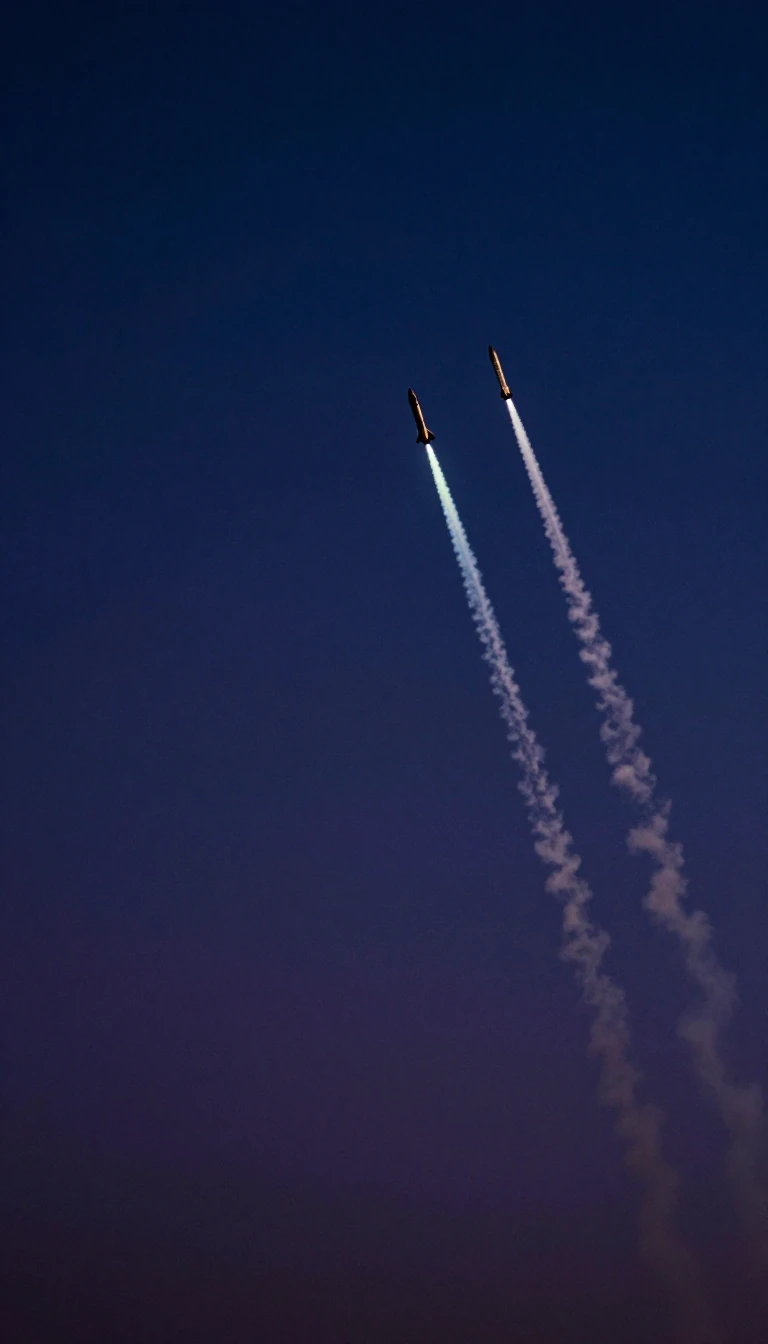
In short: Known as the doodlebug, the V-1 was an early cruise missile that defined a new era of warfare. Powered by a distinctive, rhythmic pulse-jet engine, it brought terror to London in 1944. Behind its simple design lay a complex history of German engineering, desperate innovation, and Allied defensive ingenuity.
Developed at the Peenemünde Army Research Center in 1942, the V-1 was officially designated the Fieseler Fi 103. Its development was a collaborative effort involving Argus Motoren, which provided the innovative pulse-jet engine, and Askania, which supplied the guidance system. The weapon was designed to be a low-cost, mass-produced missile, utilizing a fuselage of welded sheet steel and plywood wings. Its pulse-jet engine, which fired 42 times per second, created a characteristic buzzing sound that earned it the nickname 'buzz bomb' among the Allies.
The V-1's guidance relied on a simple autopilot system using gyroscopes for pitch and yaw, a magnetic compass for azimuth, and a barometric device for altitude. An anemometer-driven odometer on the nose tracked distance, triggering a steep dive once the target area was reached. This dive often caused the fuel flow to cease, resulting in a sudden, eerie silence that warned civilians of the impending impact. The warhead contained 850 kg of Amatol, equipped with multiple fuses to ensure detonation and prevent the recovery of intact technology by the British.
The first combat launch occurred on 13 June 1944, just one week after the Allied landings in France. Germany launched 9,521 V-1s at England, with ground sites in France and the Netherlands utilizing steam-powered catapults to overcome the missile's high stall speed. As Allied forces overran these sites, the Luftwaffe turned to air-launching the weapons from modified Heinkel He 111 bombers. Despite these efforts, Allied countermeasures—including anti-aircraft guns, barrage balloons, and fighter aircraft—grew increasingly effective, destroying about 80% of V-1s by August 1944. The campaign eventually shifted toward targets in Belgium, such as Antwerp, before ending in March 1945.
Beyond the standard missile, the V-1 program spawned various experimental designs, including piloted versions known as Reichenbergs and long-range F-1 variants. While the V-1's accuracy was initially limited, it improved significantly by the end of the war. Its legacy remains a pivotal example of early cruise missile technology and the rapid, often desperate, evolution of aerial weaponry during the Second World War.
Opens the Intellect+ feed with this card first. Swipe up for the next one.
Sources
- Summary by Intellect · source: V-1 flying bomb
To cite this card, link to https://intellectplus.co.uk/app/technology-v-1-flying-bomb.
How we source, check and correct cards: Editorial standards.
General information, not professional advice. Spotted an error? Flag the card or see corrections and complaints.
Intellect Plus is a visual educational discovery platform for exploring fascinating facts and ideas. Brain Food, Not Brain Rot. What is Intellect Plus?
Related
More in UK & Ireland: inventions · More in Technology · Latest · A–Z · All topics
