How a Golf with a trunk became Volkswagen’s most successful global sedan
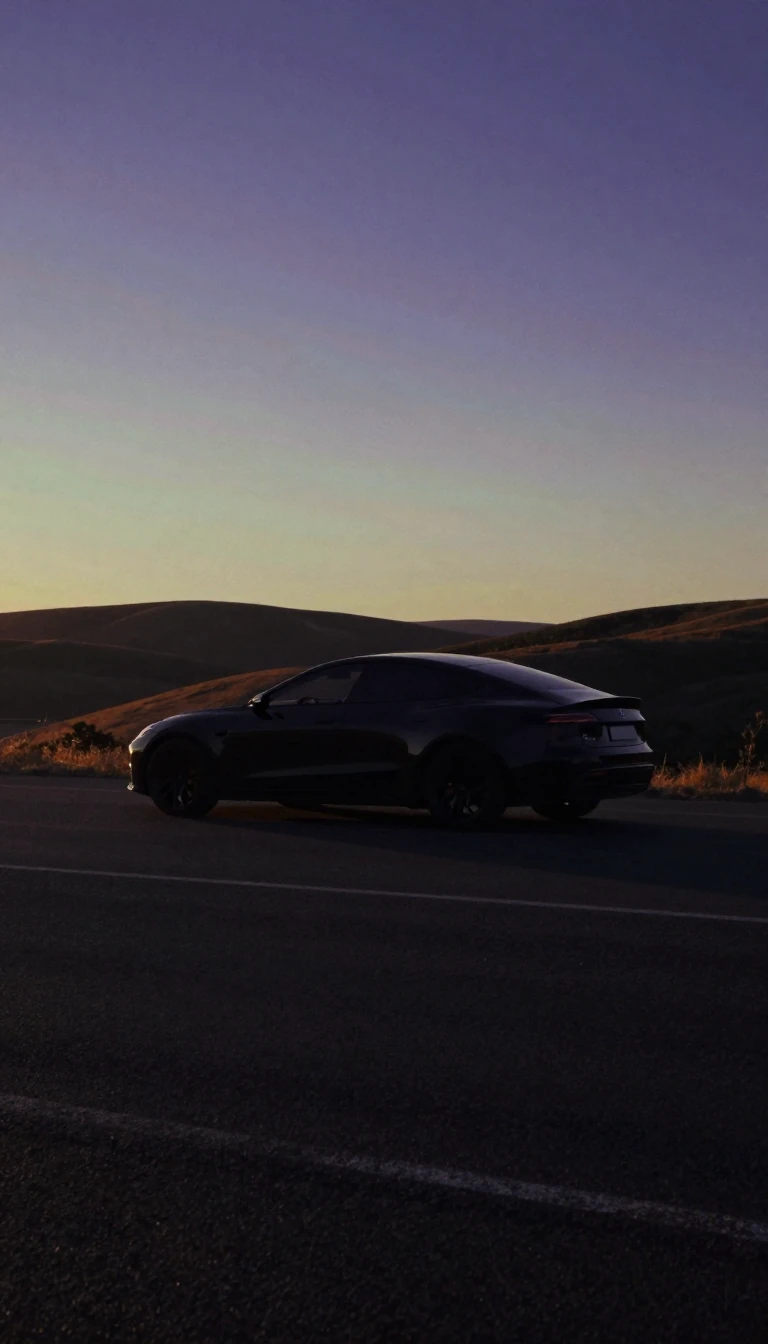
In short: Born from a simple design pivot, the Volkswagen Jetta evolved from a modified hatchback into a global powerhouse. While often associated with wind-themed naming conventions, the reality of its branding is more complex. From its humble 1979 debut to modern hybrid experimentation, the Jetta remains a masterclass in automotive adaptation.
The Jetta’s origin story is a classic case of market-driven engineering. In the late 1970s, Volkswagen recognized that while the Golf hatchback was a success, many North American buyers preferred the traditional three-box sedan silhouette. Rather than designing a new car from scratch, VW stylists essentially grafted a trunk onto the Golf, creating the first-generation Jetta. This pragmatic approach proved remarkably effective, as the Jetta eventually became Volkswagen’s top-selling model, with over 14 million units marketed by April 2014.
The car’s naming history is often cited as part of a deliberate theme—linking models like the Passat, Bora, and Scirocco to global winds. However, this narrative is contested. A 2013 report by former VW copywriter Bertel Schmitt, citing internal figures like former Volkswagen of America chief Dr. Carl Hahn, found no evidence that the company ever officially adopted a wind-based naming system. The names may have been coincidental rather than part of a grand, pre-planned marketing strategy.
Over seven generations, the Jetta has undergone significant technical shifts. The second generation, introduced in 1984, was a major leap in build quality, utilizing a heavily robotized assembly line in Wolfsburg. By the fifth generation, Volkswagen invested US$800 million in its Puebla, Mexico, facilities to modernize production, including the purchase of 460 robots. This generation also saw the introduction of multi-link independent rear suspension, a design reportedly influenced by engineers hired from Ford.
In recent years, the Jetta has served as a platform for testing alternative powertrains. Beyond standard combustion engines, Volkswagen has explored hydrogen fuel cell technology, such as the 2001 Bora HyMotion and the 2002 Bora Hy.Power, which featured a 60-kilowatt supercapacitor. More recently, research into hybrid drivetrains for the Jetta MK5 has demonstrated potential fuel consumption reductions of nearly 90% through optimized energy management strategies. These developments highlight the Jetta’s enduring role not just as a high-volume seller, but as a flexible foundation for Volkswagen’s evolving engineering priorities.
Opens the Intellect+ feed with this card first. Swipe up for the next one.
Sources
- Summary by Intellect · source: Volkswagen Jetta
- Also: OpenAlex — Proposal for Disassembly of Electric Vehicle Batteries used in the Volkswagen Jetta Hybrid System · CC0 (metadata)
- Also: Energies — Development of a Volkswagen Jetta MK5 Hybrid Vehicle for Optimized System Efficiency Based on a Genetic Algorithm · cc-by
To cite this card, link to https://intellectplus.co.uk/app/technology-volkswagen-jetta.
How we source, check and correct cards: Editorial standards.
General information, not professional advice. Spotted an error? Flag the card or see corrections and complaints.
Intellect Plus is a visual educational discovery platform for exploring fascinating facts and ideas. Brain Food, Not Brain Rot. What is Intellect Plus?
Related
More in Cars · More in Technology · Latest · A–Z · All topics
