More than just a spacer: the hidden engineering behind the humble hardware washer.
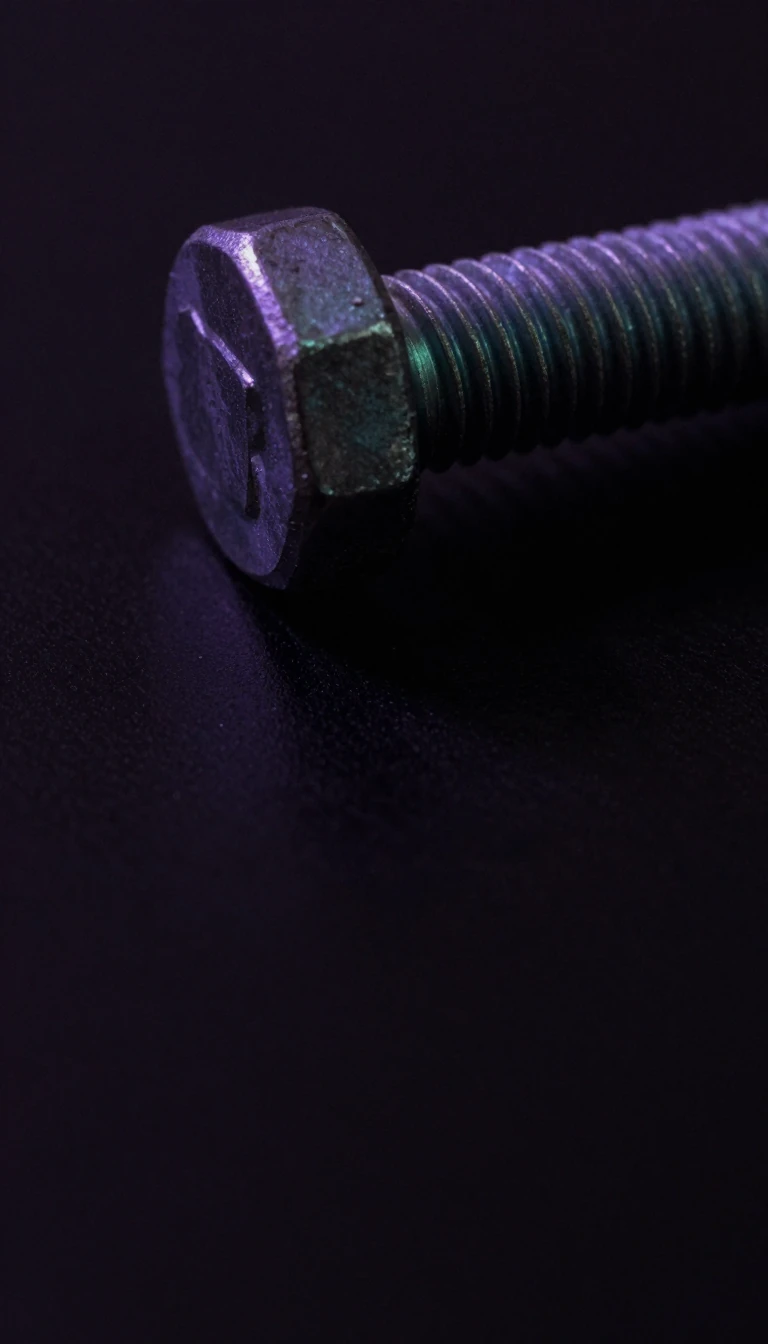
In short: A washer is far more than a simple metal disk. From preventing galvanic corrosion to acting as a precision bearing or a vibration-dampening spring, these components are critical to the integrity of bolted joints. Understanding their diverse forms and materials is essential for anyone building or maintaining mechanical systems.
While often dismissed as mere spacers, washers are sophisticated mechanical components designed for specific functional roles. At their most basic, plain washers distribute the load of a fastener to prevent surface damage. However, specialized variants like spring and locking washers provide axial flexibility and prevent unscrewing due to vibration. In high-quality joints, hardened steel washers are essential to prevent 'brinelling'—a deformation that leads to a loss of pre-load after torque is applied.
The material science behind washers is equally varied. Beyond standard carbon and stainless steels, they are fabricated from non-ferrous metals like titanium and bronze, as well as specialized polymers like PTFE or phenolic materials. Phenolic washers, for instance, are prized for their electrical insulation properties and chemical resistance. To combat environmental degradation, manufacturers employ diverse protective techniques, including electroplating with chromium, phosphating, or chemical plating with nickel-phosphor alloys to create abrasive-resistant surfaces.
Standardization is a complex landscape. The term 'washer' first appeared in 1346, though its formal definition arrived much later in 1611. Today, global standards like DIN 125 and ISO 7089 govern dimensions, while the British Standard BS4320, introduced in 1968, established the 'form' system—ranging from A to G—to dictate diameter and thickness. Confusion often arises between 'types' and 'forms,' as well as between washers and gaskets, which are colloquially conflated despite their distinct sealing functions in plumbing.
Ultimately, the choice of washer is a balance of cost, space, and performance. Whether acting as a thrust bearing to replace rolling elements or providing a sacrificial zinc layer to prevent corrosion, the washer is a silent partner in mechanical reliability. As industries transition from legacy DIN standards to ISO equivalents, the precision of these components continues to be a cornerstone of modern engineering.
Opens the Intellect+ feed with this card first. Swipe up for the next one.
Sources
- Summary by Intellect · source: Washer (hardware)
To cite this card, link to https://intellectplus.co.uk/app/technology-washer-hardware.
How we source, check and correct cards: Editorial standards.
General information, not professional advice. Spotted an error? Flag the card or see corrections and complaints.
Intellect Plus is a visual educational discovery platform for exploring fascinating facts and ideas. Brain Food, Not Brain Rot. What is Intellect Plus?
Related
More in Machinery and tools · More in Technology · Latest · A–Z · All topics
