Why the tool in your hand is called a wrench or a spanner
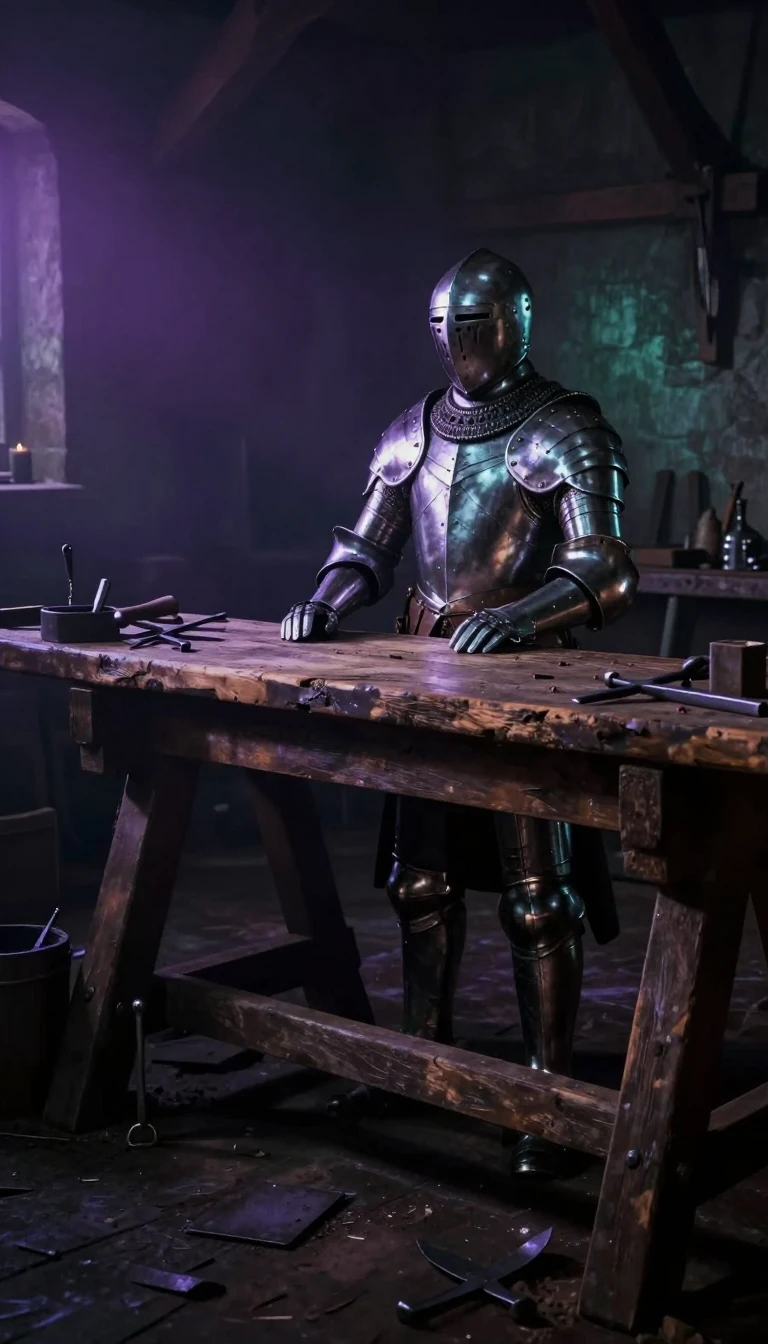
In short: Depending on your geography, the tool you use to turn a bolt is either a wrench or a spanner. While these terms are often used interchangeably, their origins trace back to distinct mechanical histories: one from the act of twisting, the other from the tensioning of early firearm springs.
The linguistic divide between wrench and spanner is primarily regional. In North America, wrench is the standard term for tools designed to provide mechanical advantage for turning fasteners like nuts and bolts. Conversely, in the UK, Ireland, Australia, and New Zealand, the term spanner is preferred. These labels are not merely synonyms; they reflect different historical trajectories. The word wrench, appearing in records by 1794, stems from the Proto-Germanic *wrankiz, meaning a turning or twisting motion. Spanner, by contrast, emerged in the 1630s to describe a specific tool used to wind the springs of wheel-lock firearms, derived from the German word for fastening or stretching.
Material science has refined the modern tool significantly. High-quality wrenches are typically drop-forged from chromium-vanadium alloy steels, a process that enhances durability. To combat corrosion and simplify maintenance, these tools are frequently chrome-plated. Beyond material composition, design choices impact performance. For instance, box-end wrenches are often sold as 12-point designs because they can fit both 6-point and 12-point bolts. While 12-point wrenches offer more engagement points, they provide less contact surface than 6-point versions, which can lead to the rounding off of bolt heads under high torque.
The evolution of the tool itself reflects the changing needs of industry. Historians have identified the use of wrench-like devices for pipe clamps and armor as early as the 15th century. By the late 18th and early 19th centuries, adjustable coach wrenches were being manufactured in England for the odd-sized nuts on wagon wheels and exported to North America. The mid-19th century marked a significant leap with the introduction of patented wrenches that utilized screws to adjust jaw width, including the iconic monkey wrench. Today, the distinction remains nuanced: in American English, a spanner is a specialized tool with pins or tabs, whereas the British term encompasses the standard open-ended and ring-style tools.
While the term wrench is standard for turning fasteners, it is also used colloquially to describe non-fastening devices like pipe wrenches. Interestingly, the slang phrase for an unexpected obstacle—throwing a spanner in the works—is known as throwing a monkey wrench in the United States, highlighting how deeply these mechanical terms have embedded themselves into the vernacular of both regions.
Opens the Intellect+ feed with this card first. Swipe up for the next one.
Sources
- Summary by Intellect · source: Wrench
To cite this card, link to https://intellectplus.co.uk/app/technology-wrench.
How we source, check and correct cards: Editorial standards.
General information, not professional advice. Spotted an error? Flag the card or see corrections and complaints.
Intellect Plus is a visual educational discovery platform for exploring fascinating facts and ideas. Brain Food, Not Brain Rot. What is Intellect Plus?
Related
More in Machinery and tools · More in Technology · Latest · A–Z · All topics
