How a clever gear shift changed the way modern cars use fuel
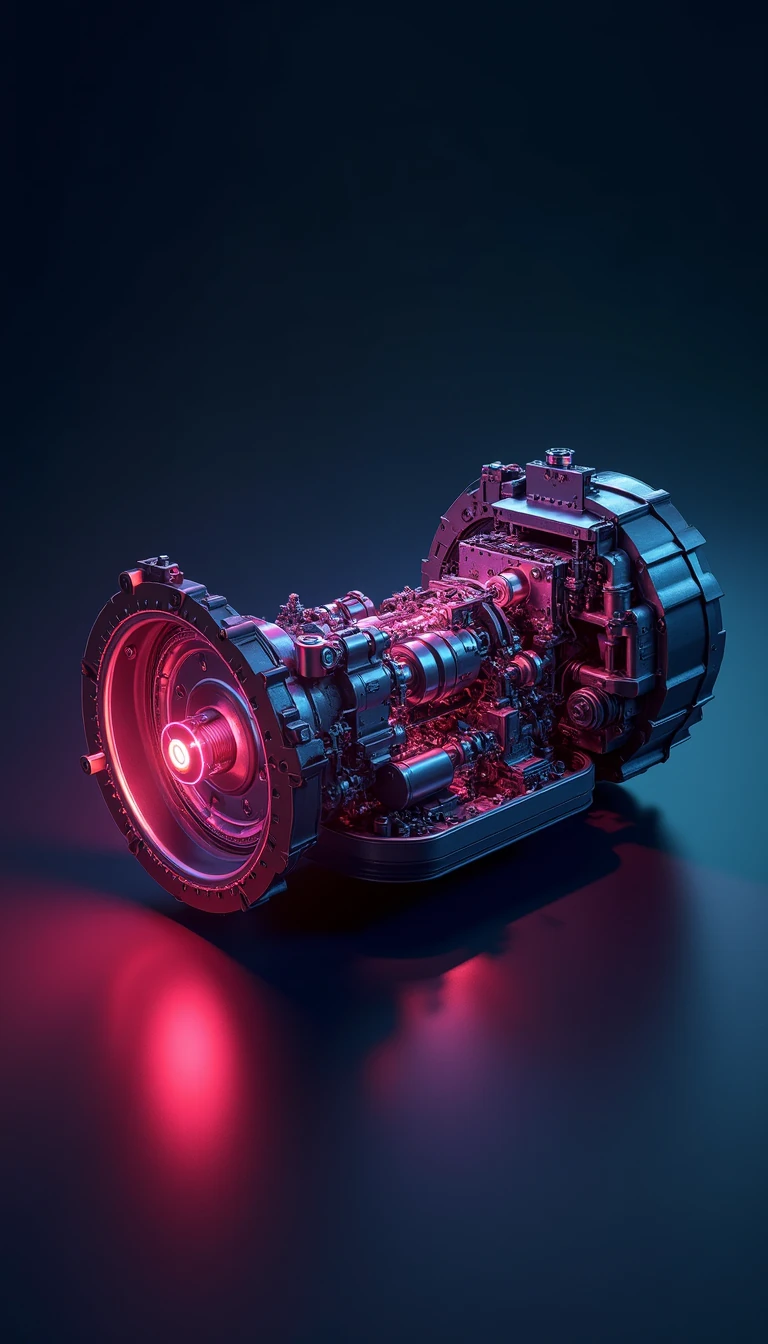
In short: In 2000, the ZF 6HP became the first six-speed automatic transmission for passenger cars. By utilizing a unique planetary gearset, it achieved more gear ratios with fewer parts than its predecessors. This innovation allowed for better fuel economy, quieter rides, and a surprising ability to skip gears entirely.
The 6HP transmission, designed by ZF Friedrichshafen AG in Saarbrücken, represented a major shift in automotive engineering. At its core lies the Lepelletier planetary gearset, a patented design that combines a conventional planetary gearset with a composite Ravigneaux gearset. By moving away from traditional serial power flow to a combined parallel and serial approach, engineers created a system that was lighter and more efficient than the five-speed models it replaced. This design was so effective that it became the foundation for various transmissions from Ford, GM, and Aisin.
The primary goal of this technology was to improve fuel economy through downspeeding, which allows the engine to operate at lower speeds. The 6HP features a torque converter lock-up for all six forward gears, which can fully disengage when the vehicle is stationary, effectively narrowing the efficiency gap between automatic and manual transmissions. Furthermore, the layout allows for non-sequential shifting, meaning the transmission can jump from sixth gear directly to second by actuating a single clutch and releasing one brake.
Despite its technical brilliance, the 6HP is not without controversy. The decision to use a sealed transmission pan and so-called lifetime fluid has been linked to catastrophic failures as the oil breaks down, often after 50,000 miles. Common issues include valve block and solenoid malfunctions, which degrade shift quality and torque transfer. These reliability concerns were significant enough that the Volkswagen Group extended warranties for affected vehicles to 10 years or 100,000 miles. By the time production at the Saarbrücken plant ended in March 2014, over 7 million units had been manufactured, leaving a complex legacy of both engineering innovation and maintenance challenges.
While the 6HP set a new standard for its time, it has since been succeeded by the 8HP, which now serves as the industry benchmark. The 6HP remains a notable case study in how computer-aided design enabled a more efficient use of components, even if the real-world longevity of the sealed-for-life system proved to be a point of friction for many owners.
Opens the Intellect+ feed with this card first. Swipe up for the next one.
Sources
- Summary by Intellect · source: ZF 6HP transmission
To cite this card, link to https://intellectplus.co.uk/app/technology-zf-6hp-transmission.
How we source, check and correct cards: Editorial standards.
General information, not professional advice. Spotted an error? Flag the card or see corrections and complaints.
Intellect Plus is a visual educational discovery platform for exploring fascinating facts and ideas. Brain Food, Not Brain Rot. What is Intellect Plus?
Related
More in Cars · More in Technology · Latest · A–Z · All topics
