From humanitarian relief to military strategy, airlifts have reshaped the modern world's borders.
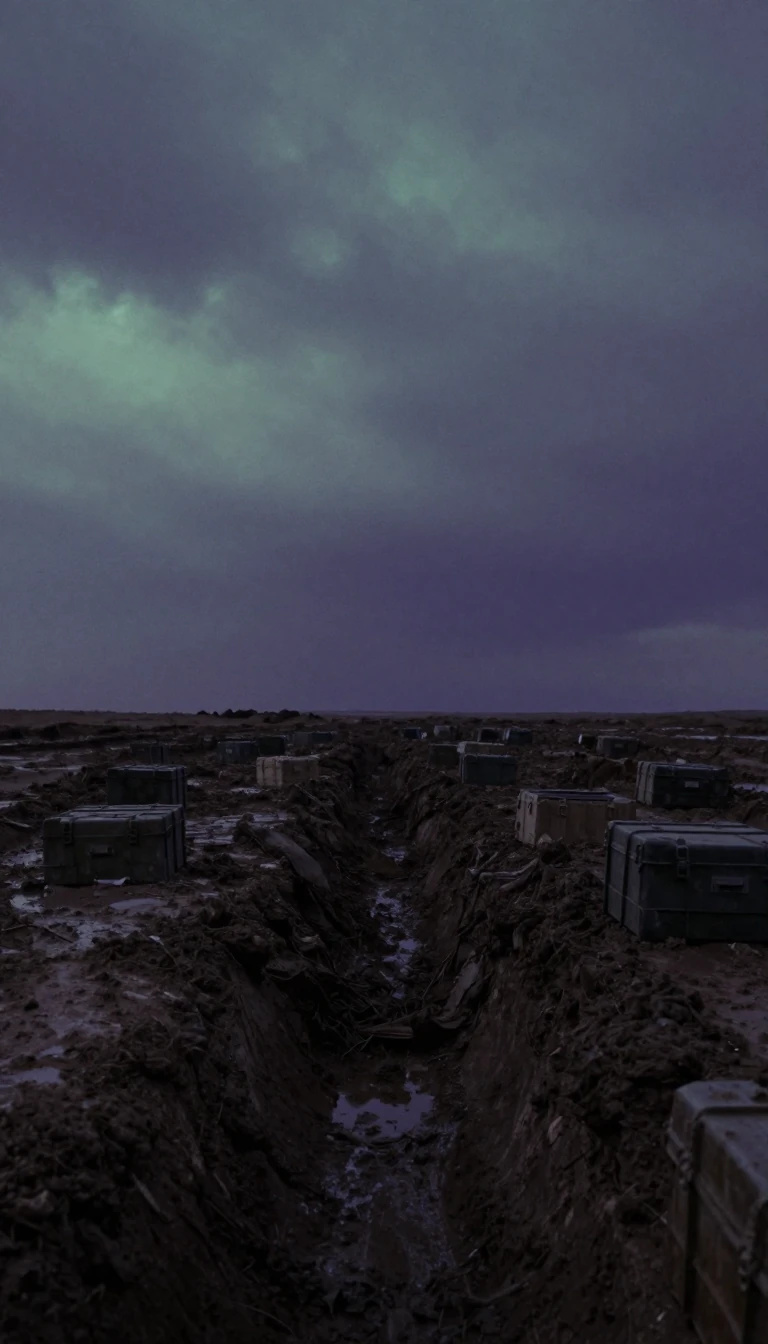
In short: Airlifts are more than just emergency supply drops. They are complex logistical operations that can determine the outcome of wars, influence the start of the Cold War, and save hundreds of thousands of lives. Whether strategic or tactical, these airborne missions remain a cornerstone of modern military and humanitarian power.
Airlifts are categorized into two primary types: strategic and tactical. Strategic airlift involves moving personnel or materiel over long distances, often between theaters, while tactical airlift focuses on deploying resources with high precision within a specific combat zone. Tactical aircraft, such as the C-130 Hercules, are designed for maneuverability and short take-off distances, allowing them to operate from austere, poorly prepared airstrips. In contrast, strategic airlifters are typically jet-powered, prioritizing speed and range to move heavy equipment across continents.
The history of the airlift is marked by both triumph and failure. During World War II, the German Luftwaffe attempted to supply the encircled Sixth Army at Stalingrad, but the effort failed, leading to a catastrophic surrender. Conversely, the Berlin Airlift (1948–1949) proved that a massive, sustained aerial supply chain could thwart a blockade, ultimately influencing the formation of NATO. Later, during the Biafran War (1967–1970), the Joint Church Aid organization conducted the largest civilian airlift in history, an effort estimated to have saved over a million lives by flying supplies into a makeshift bush airstrip at night.
Modern airlifts continue to evolve, balancing military necessity with humanitarian response. While strategic airlifters can move heavy weaponry, shifting large mechanized forces like the M1 Abrams tank remains prohibitively expensive and logistically difficult. Today, the focus often shifts toward rapid evacuation, as seen during the 2021 fall of Kabul, which set a record for the highest rate of civilian evacuation in history, moving over 124,000 people in just 17 days. These operations demonstrate that the ability to control the skies is as much about moving people and hope as it is about moving war machines.
Opens the Intellect+ feed with this card first. Swipe up for the next one.
Sources
- Summary by Intellect · source: Airlift
To cite this card, link to https://intellectplus.co.uk/app/wars-airlift.
How we source, check and correct cards: Editorial standards.
General information, not professional advice. Spotted an error? Flag the card or see corrections and complaints.
Intellect Plus is a visual educational discovery platform for exploring fascinating facts and ideas. Brain Food, Not Brain Rot. What is Intellect Plus?
Related
More in Military strategy & leaders · More in Wars & Conflicts · Latest · A–Z · All topics
