The Forgotten Battle: How a World War II Campaign Devastated an Indigenous Community
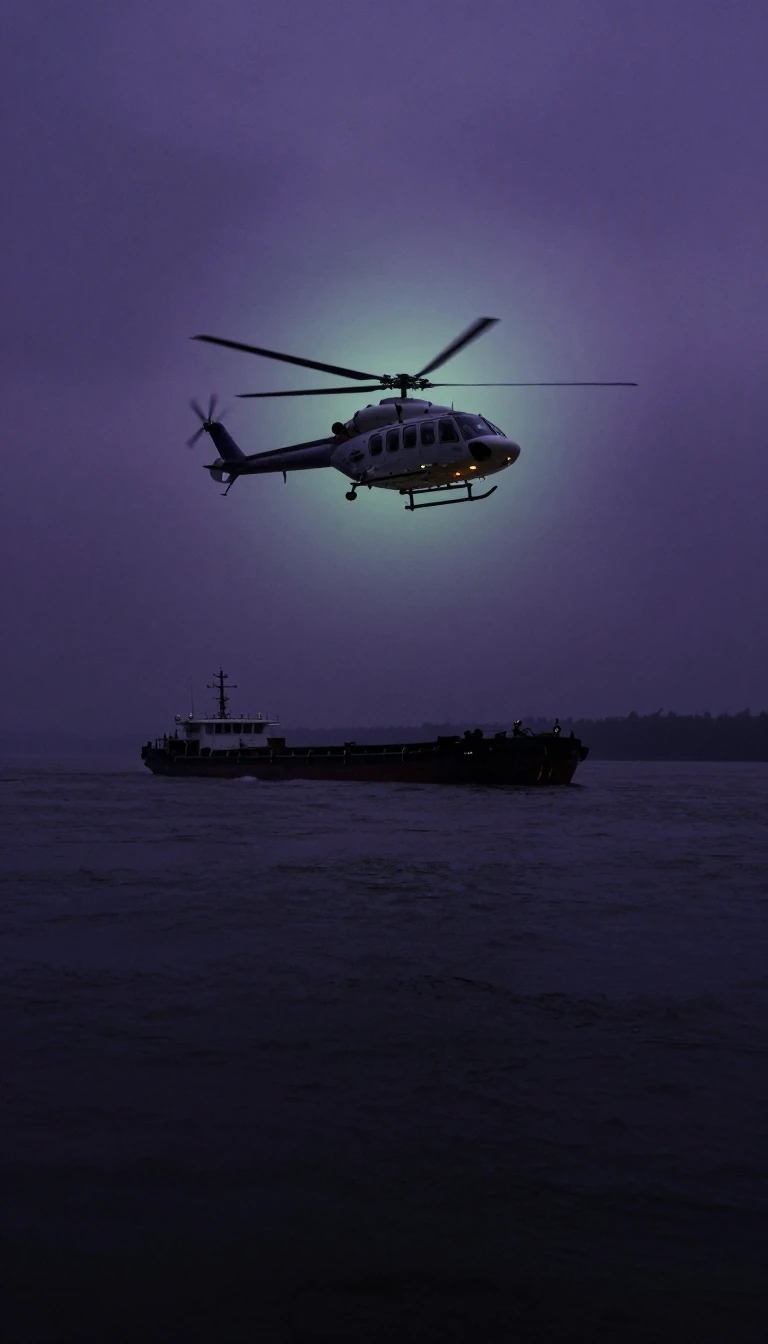
In short: Between 1942 and 1943, the Aleutian Islands became the only North American soil to host a World War II military campaign. While the U.S. and Japan fought for strategic control, the indigenous Unangax people were forcibly evacuated, interned in derelict camps, and subjected to conditions that claimed many lives.
The Aleutian Islands campaign began on 3 June 1942, when Japanese forces occupied Attu and Kiska. While some historians view this as a diversionary tactic for the Battle of Midway, others argue it was a defensive move to protect Japan's northern flank. The U.S. military, having broken Japanese naval codes, was aware of the impending attack, yet the remote, weather-beaten islands proved difficult to defend. The conflict concluded on 15 August 1943, after the U.S. reclaimed Attu and discovered the Japanese had already abandoned Kiska.
The human cost of the war was borne disproportionately by the Unangax, the indigenous inhabitants of the islands. Following the initial Japanese air raids on Dutch Harbor, the U.S. government ordered the hasty, chaotic evacuation of over 880 Unangax citizens. While white residents were permitted to stay, the Unangax were relocated to internment camps in the Alaska Panhandle, often with less than 24 hours' notice. These sites—including abandoned canneries and mining camps like Funter Bay and Killisnoo—lacked basic infrastructure, clean water, and adequate heating.
Conditions in these camps were dire, leading to a mortality rate of approximately ten percent among the interned population. At the Ward Lake camp, overcrowding and disease resulted in an 18 percent mortality rate. Meanwhile, the U.S. government exploited the men from the Pribilof Islands as a captive labor force to harvest seal pelts, paying them minimal wages that often went unpaid. Throughout this ordeal, the local Tlingit people provided essential aid, sharing food, medicine, and traditional knowledge to help the Unangax survive federal neglect.
The campaign remains a somber chapter in American history, often overshadowed by larger Pacific battles. Beyond the military maneuvers, it highlights the vulnerability of the Unangax, who were treated as wards of the state rather than citizens. The legacy of the internment, characterized by poor sanitation, forced labor, and the loss of personal property, remains a stark reminder of the domestic consequences of global conflict.
Opens the Intellect+ feed with this card first. Swipe up for the next one.
Sources
- Summary by Intellect · source: Aleutian Islands campaign
To cite this card, link to https://intellectplus.co.uk/app/wars-aleutian-islands-campaign.
How we source, check and correct cards: Editorial standards.
General information, not professional advice. Spotted an error? Flag the card or see corrections and complaints.
Intellect Plus is a visual educational discovery platform for exploring fascinating facts and ideas. Brain Food, Not Brain Rot. What is Intellect Plus?
Related
More in UK & Ireland: wars · More in Wars & Conflicts · Latest · A–Z · All topics
