Why the Austro-Hungarian Army was a flabby, dysfunctional instrument of war
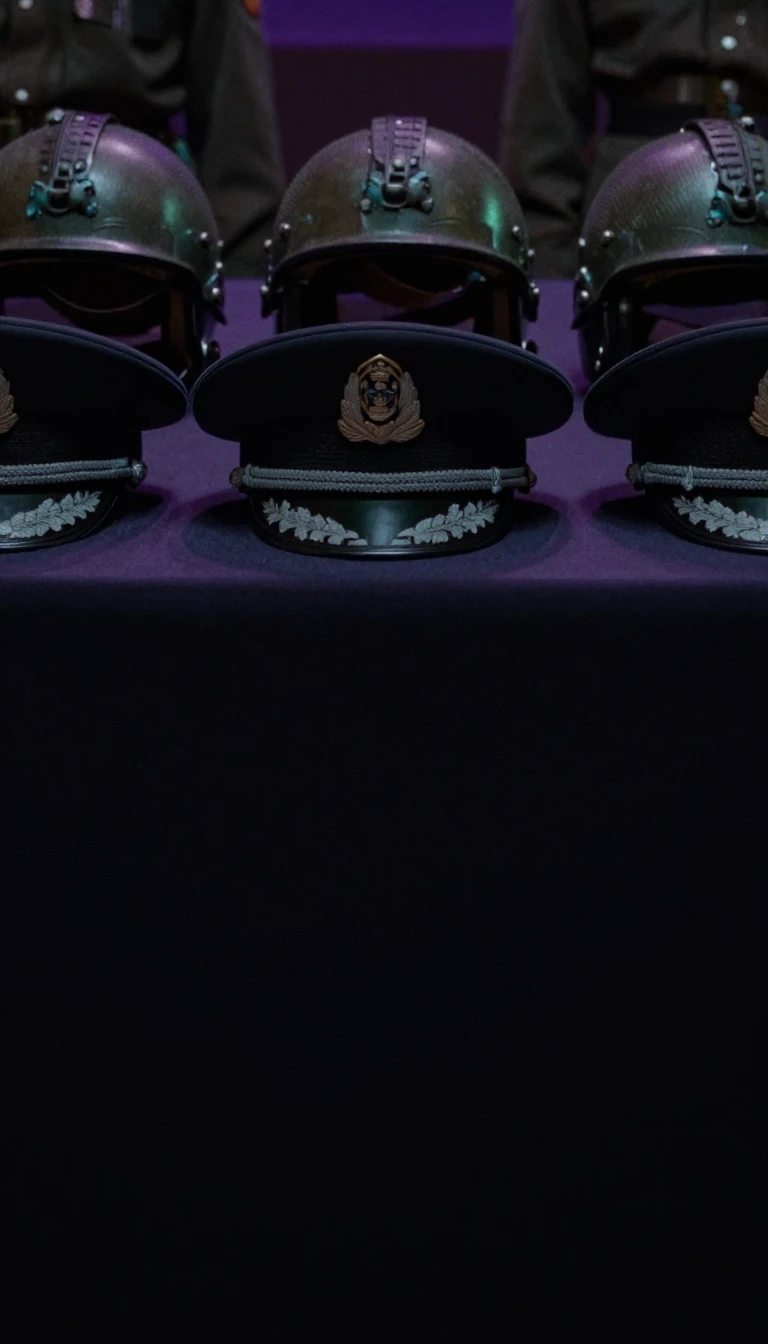
In short: The Austro-Hungarian Army was a complex, fragmented force plagued by supply shortages, linguistic barriers, and political infighting. Despite its size, the military was hampered by a rigid bureaucracy and a lack of innovation, leaving it ill-prepared for the industrial-scale conflict that defined the First World War.
Established in 1867, the Austro-Hungarian Army was not a single entity but a tripartite structure comprising the Common Army, the Austrian Landwehr, and the Hungarian Honvéd. This division was rooted in the empire's uneasy political compromise, which led governments in Vienna and Budapest to prioritize funding their own regional units over the Common Army. Consequently, the Common Army suffered from chronic supply shortages and outdated equipment, while its regiments were often poorly trained compared to those of neighboring powers.
The military's effectiveness was further eroded by its extreme ethnic diversity. With no common language, the army relied on a simplified dialect known as Army Slavic, yet communication remained a persistent failure. Because the upper officer ranks spoke only German, orders were frequently misunderstood, leading to operational blunders and deep resentment among non-Austrian soldiers. This logistical dysfunction made it nearly impossible for high command to detect or prevent desertions and mutinies, which became rampant among Slavic battalions as the war progressed.
Strategic leadership was equally stagnant. For thirty years, Archduke Albrecht, Duke of Teschen, stifled innovation and prioritized bureaucratic control over military readiness. By 1914, the aging Emperor Franz Josef had ceded effective control to Chief of Staff Conrad von Hötzendorf, who pushed for aggressive territorial expansion despite the army's clear technological lag. By the start of the war, the empire had only 48 first-line aircraft, a fraction of the air power fielded by its rivals. This combination of political fragmentation, linguistic chaos, and a refusal to modernize transformed the Habsburg military into a brittle force that struggled to survive the pressures of the twentieth century.
Opens the Intellect+ feed with this card first. Swipe up for the next one.
Sources
- Summary by Intellect · source: Austro-Hungarian Army
To cite this card, link to https://intellectplus.co.uk/app/wars-austro-hungarian-army.
How we source, check and correct cards: Editorial standards.
General information, not professional advice. Spotted an error? Flag the card or see corrections and complaints.
Intellect Plus is a visual educational discovery platform for exploring fascinating facts and ideas. Brain Food, Not Brain Rot. What is Intellect Plus?
Related
More in World wars era · More in Wars & Conflicts · Latest · A–Z · All topics
