From Buddhist high priests to architects of an empire
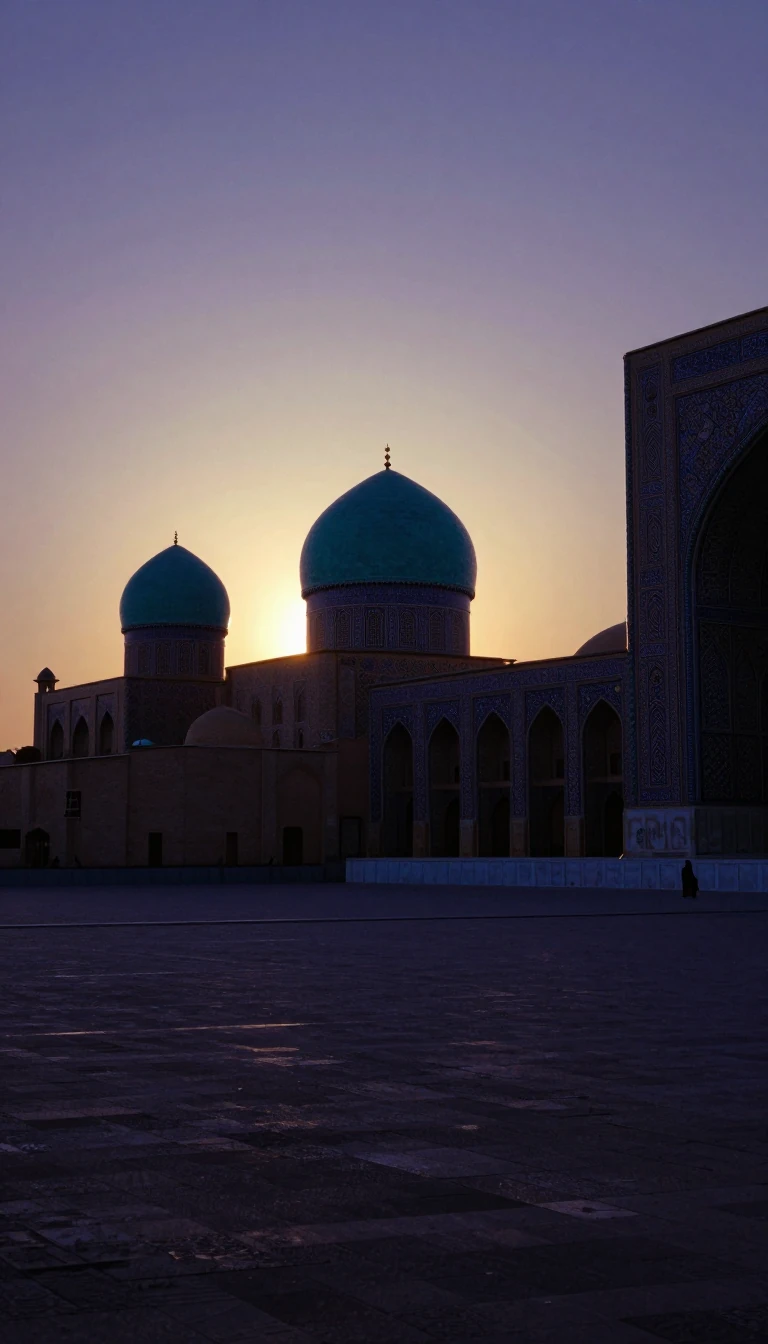
In short: The Barmakids rose from the oasis of Balkh to become the most powerful viziers in the ʿAbbāsid Caliphate. They were masters of administration, science, and culture—until their meteoric rise led to a sudden, brutal fall that remains one of history's most dramatic political collapses.
The Barmakids were an Iranian family whose roots trace back to the city of Balkh in Khorāsān. Originally, they served as hereditary administrators for the Buddhist monastery of Nawbahār (or Navavihāra). While some early Islamic sources mistakenly identified them as Zoroastrian priests due to the region's history, modern scholarship clarifies their Buddhist origins. Their name likely derives from the Sanskrit term 'Pramukha,' meaning leader or chief.
Their ascent began in the 8th century when Khālid ibn Barmak and his brothers converted to Islam and joined the revolutionary movement that established the ʿAbbāsid caliphate. Khālid became a pivotal figure, serving as a minister under Caliph Abū al-ʿAbbās as Saffāḥ and later governing regions like Fars and Ṭabaristān. His son, Yaḥyā, continued this legacy, becoming a secretary-tutor to the future Caliph Hārūn ar-Rashīd. Together, they orchestrated the transition of power, with Yaḥyā eventually becoming the wazīr (vizier), effectively placing the empire's administration in Barmakid hands.
The family was renowned for its immense patronage of literature, philosophy, and science, as well as public works like canals and postal services. However, their influence became a liability. They were accused of 'overmighty' power, excessive wealth, and a liberal attitude toward religious sects that the Caliph viewed as threats to authority. This tension culminated in 803, when the Caliph executed Jaʿfar—the favorite son of Yaḥyā—and displayed parts of his body on Baghdad's bridges. The family was extirpated, their property confiscated, and their influence severed almost overnight.
Despite this violent end, the Barmakid period remains a cultural touchstone. In Persian literature, it is often idealized as a golden age of sophistication and intellectual growth, contrasting sharply with the suddenness of their political destruction.
Opens the Intellect+ feed with this card first. Swipe up for the next one.
Sources
- Summary by Intellect · source: Barmakids | ʿAbbāsid Viziers, Persian Dynasty | Britannica
- Also: Barmakids
To cite this card, link to https://intellectplus.co.uk/app/wars-barmakids.
How we source, check and correct cards: Editorial standards.
General information, not professional advice. Spotted an error? Flag the card or see corrections and complaints.
Intellect Plus is a visual educational discovery platform for exploring fascinating facts and ideas. Brain Food, Not Brain Rot. What is Intellect Plus?
Related
More in Medieval wars · More in Wars & Conflicts · Latest · A–Z · All topics
