How a tactical blunder at the Nile left Napoleon trapped in Egypt for years.
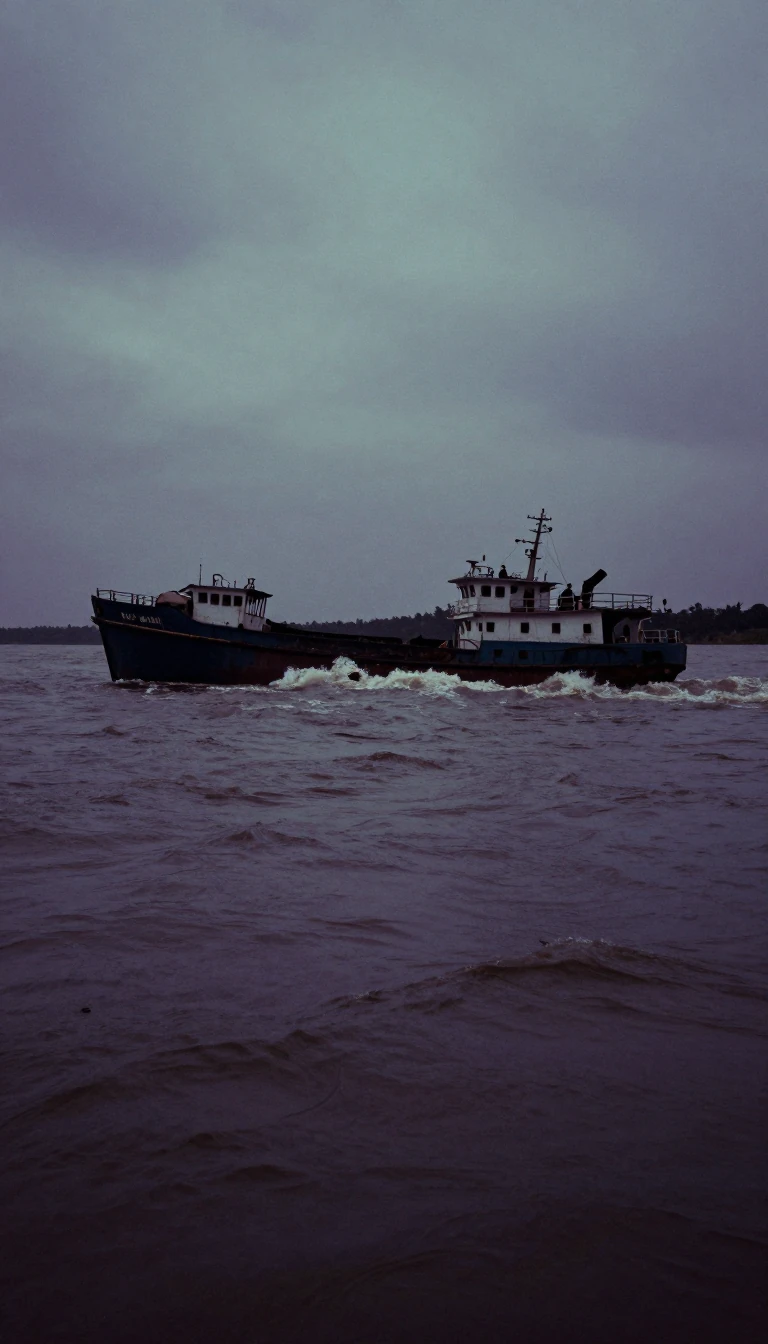
In short: In 1798, Napoleon Bonaparte invaded Egypt, hoping to sever British trade routes to India. But when Admiral Horatio Nelson cornered the French fleet at Aboukir Bay, a series of fatal miscalculations turned a defensive anchor position into a trap, effectively stranding Napoleon’s army and shifting the Mediterranean’s balance of power.
Napoleon’s Egyptian campaign was designed to strike at the heart of British wealth by disrupting communications with India. To secure his foothold, he relied on Vice-Admiral François-Paul Brueys d'Aigalliers to protect his supply lines. Brueys, however, faced severe logistical challenges; his crews were depleted by shore-based foraging parties, and his ships were in poor repair. Seeking a defensive advantage, he anchored his thirteen ships of the line in a line of battle at Aboukir Bay, believing the shallow shoals would protect his flank.
This strategy contained a catastrophic flaw. Brueys left a gap between his leading ship, Guerrier, and the shoals, which Nelson’s fleet exploited on 1 August 1798. By sailing between the French line and the shore, the British caught the French in a devastating crossfire. Because the French had only prepared their starboard guns for a seaward attack, their port sides remained cluttered and unprepared for the assault. The resulting chaos saw the French flagship Orient explode at 22:00, leaving the French fleet decimated.
The victory at the Nile fundamentally altered the Napoleonic Wars. It trapped Napoleon’s expeditionary force in Egypt, ultimately contributing to his defeat at the siege of Acre in 1799 and his eventual return to Europe. For Britain, the battle secured dominance over the Mediterranean, a position the Royal Navy would maintain for the duration of the conflict. Nelson, despite being wounded, became a European hero, and his captains formed the core of what would become known as his legendary band of brothers.
The battle remains a landmark in naval history, not only for its strategic impact but for the tactical innovations Nelson employed. By ordering his ships to use springs on their anchor cables, he gained superior manoeuvrability, allowing his vessels to engage the French while stationary. This victory effectively ended French naval ambitions in the region and solidified the Royal Navy’s status as the world’s preeminent maritime force.
Opens the Intellect+ feed with this card first. Swipe up for the next one.
Sources
- Summary by Intellect · source: Battle of the Nile
To cite this card, link to https://intellectplus.co.uk/app/wars-battle-of-the-nile.
How we source, check and correct cards: Editorial standards.
General information, not professional advice. Spotted an error? Flag the card or see corrections and complaints.
Intellect Plus is a visual educational discovery platform for exploring fascinating facts and ideas. Brain Food, Not Brain Rot. What is Intellect Plus?
Related
More in 19th-century wars · More in Wars & Conflicts · Latest · A–Z · All topics
