The biplane with backward wings that defined executive luxury
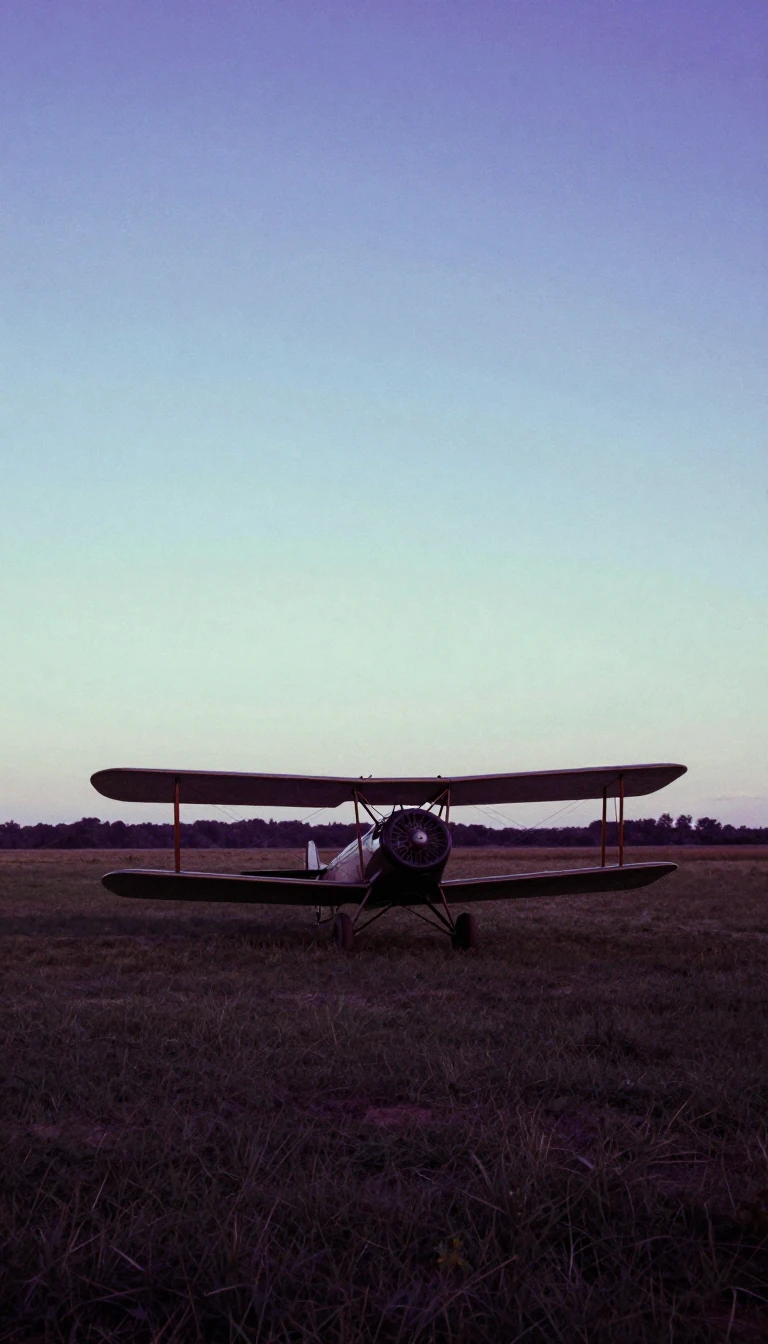
In short: In the 1930s, most aircraft were designed for utility or raw speed. The Beechcraft Staggerwing broke the mold by prioritizing the experience of the business elite. It featured a radical 'negative stagger' wing design, creating an Art Deco masterpiece that functioned as the private jet of its era.
The Model 17 Staggerwing was born from a rejected design at Curtiss-Wright. When Walter H. Beech founded his own company in Wichita, Kansas, he brought designer Ted A. Wells with him to realize this vision. The aircraft first flew on November 4, 1932, featuring an atypical configuration where the lower wing was positioned further forward than the upper wing. While engineers originally intended this 'negative stagger' to reduce interference drag between wings, it was later discovered to have a negligible effect. Instead, its primary success lay in maximizing pilot visibility and creating a streamlined, luxurious cabin trimmed in leather and mohair.
Despite its beauty, the Staggerwing faced significant engineering hurdles. Between 1936 and 1940, six fatal midair breakups occurred due to wing and aileron flutter. To rectify this, authorities required manufacturers to add lead balance weights to control surfaces and plywood panels to the outboard wing tips to increase torsional stiffness. The aircraft also underwent a major redesign in the mid-1930s to create the Model D17, which lengthened the fuselage for better handling and relocated ailerons to the upper wings to eliminate interference with flaps.
The Staggerwing's versatility was proven across both civilian and military spheres. It served as an air ambulance for China, a liaison aircraft for Finland, and even a refugee transport for Prince Bernhard of Lippe during World War II. In 1942, the USAAF ordered 270 units (designated UC-43) for domestic and overseas use. While it eventually succumbed to the more affordable Beechcraft Bonanza in 1948, its legacy persists as a pinnacle of vintage aviation aesthetics, frequently cited as one of the most beautiful airplanes ever built.
The aircraft's production history is a testament to bespoke craftsmanship; each unit was custom-built by hand. From its early days winning the Texaco Trophy Race in 1933 to breaking speed records with Jackie Cochran, the Staggerwing balanced 'muscular strength and delicate grace.' It remained in civilian production until 1949, with a total of 785 units manufactured over nearly two decades.
Opens the Intellect+ feed with this card first. Swipe up for the next one.
Sources
- Summary by Intellect · source: Beechcraft Model 17 Staggerwing
To cite this card, link to https://intellectplus.co.uk/app/wars-beechcraft-model-17-staggerwing.
How we source, check and correct cards: Editorial standards.
General information, not professional advice. Spotted an error? Flag the card or see corrections and complaints.
Intellect Plus is a visual educational discovery platform for exploring fascinating facts and ideas. Brain Food, Not Brain Rot. What is Intellect Plus?
Related
More in Military aviation · More in Wars & Conflicts · Latest · A–Z · All topics
