The repeating rifle that could fire 136 shots but nearly blew up its users
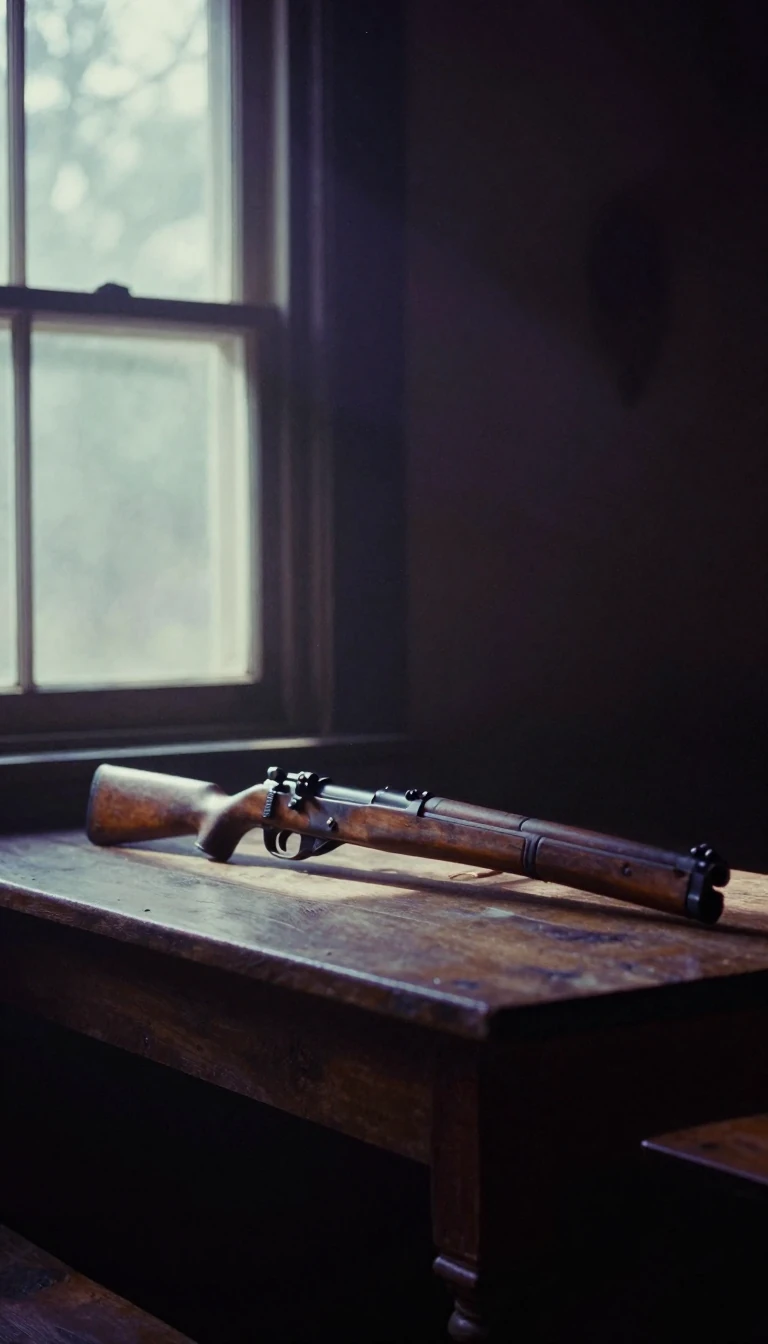
In short: In the mid-19th century, the U.S. military sought a way to end the deadly vulnerability of reloading single-shot firearms. The answer was a revolutionary, yet terrifying, revolving rifle. It offered a devastating rate of fire that confused entire armies, but it carried a hidden, explosive flaw.
The Colt New Model revolving rifles, produced between 1855 and 1864, were an ambitious attempt to bring the high rate of fire seen in revolvers to long guns. Based on the Sidehammer design by Elisha K. Root, these weapons featured a rotating cylinder holding five or six rounds. They were first adopted by the U.S. government specifically to counter tactics where enemies would rush soldiers during the long reload times of traditional muskets. During the Seminole Wars in 1838, these early models proved highly effective against such maneuvers.
However, the mechanical complexity introduced grave safety risks. Because the rifles used percussion caps and paper cartridges, gunpowder would often leak into the recesses of the firing cylinder. In field conditions, hot gases escaping from the gap between the cylinder and the barrel could ignite this stray powder, causing a 'chain fire.' This catastrophic failure would ignite every chamber simultaneously, sending a spray of metal and lead splinters into the shooter's left arm and hand. To mitigate this, some commanders forced soldiers to load only a single chamber at a time—effectively turning the repeating rifle back into a single-shot weapon.
Despite these dangers, the rifles saw significant action during the American Civil War. At the Battle of Stones River, the 21st Ohio Volunteer Infantry used the weapon's volume of fire so effectively that Confederate forces believed they were facing an entire division rather than a single regiment. Yet, the weapon's reputation was ultimately destroyed by its own mechanics. Soldiers hated the deafening report and violent recoil of simultaneous discharges. After a board of officers evaluated the evidence, the rifles were discontinued and sold for a mere 42 cents each, a staggering loss from their original 44-dollar purchase price.
The weapon's legacy is one of technical transition. While it failed as a standard infantry arm, it served as a psychological tool and a proof of concept for repeating firearms. It even played a role in the Pony Express, where the Missouri government boasted that eight guards could fire 136 shots without reloading to protect the mail.
Opens the Intellect+ feed with this card first. Swipe up for the next one.
Sources
- Summary by Intellect · source: Colt's New Model revolving rifle
To cite this card, link to https://intellectplus.co.uk/app/wars-colt-s-new-model-revolving-rifle.
How we source, check and correct cards: Editorial standards.
General information, not professional advice. Spotted an error? Flag the card or see corrections and complaints.
Intellect Plus is a visual educational discovery platform for exploring fascinating facts and ideas. Brain Food, Not Brain Rot. What is Intellect Plus?
Related
More in War and military · More in Wars & Conflicts · Latest · A–Z · All topics
