Why did soldiers keep wearing heavy steel breastplates long after the invention of gunpowder?
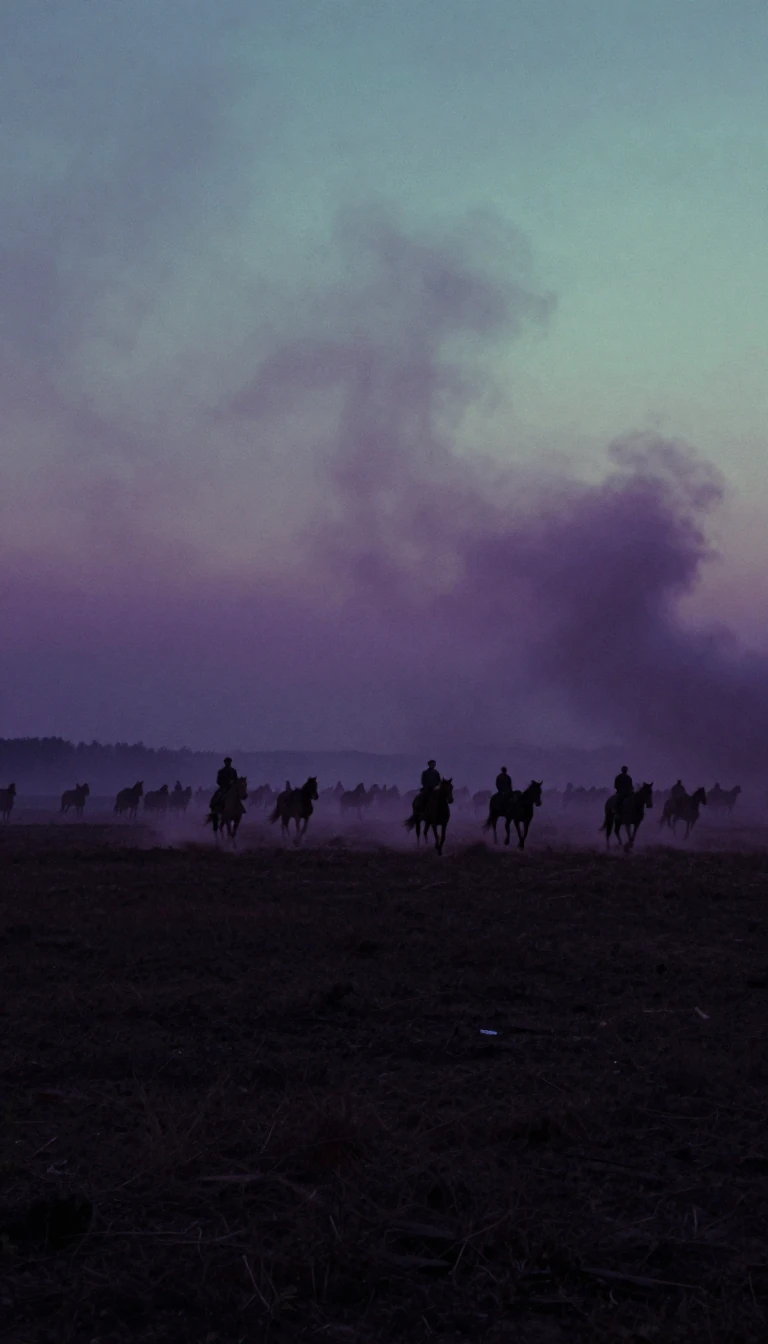
In short: The cuirassier was a relic of a bygone era, yet these armored cavalrymen remained a fixture on European battlefields until 1914. While modern muskets rendered their steel breastplates largely ineffective against projectiles, the armor persisted for its psychological impact, intimidation, and vital protection against the brutal reality of close-quarters sword combat.
Emerging in the 16th century as armored cavalry transitioned from lances to pistols, the cuirassier was originally a heavily protected soldier. By the 17th century, the expense and weight of full limb armor led to a reduction in equipment, leaving only the breastplate and backplate. This evolution reflected a constant tension between the desire for protection and the reality of technological advancement. As infantry firearms became more powerful, the protective value of the cuirass against direct fire plummeted, yet the armor remained a symbol of prestige and heavy shock capability.
During the Napoleonic Wars, the cuirassier reached a pinnacle of prominence. Napoleon Bonaparte expanded the French force to sixteen regiments, influencing other European powers to readopt the cuirass for their own heavy cavalry. While these breastplates were never truly bulletproof against close-range musket fire, they were effective at stopping ricochets and long-range shots. More importantly, they provided essential defense against swords, lances, and bayonets during the chaotic, swirling melees that defined 19th-century cavalry engagements. The armor also served a dual psychological purpose: it bolstered the wearer's confidence to charge into the fray while simultaneously intimidating the enemy.
The decline of the cuirassier was slow and uneven. Despite heavy losses during the Franco-Prussian War of 1870–1871, the French Army still deployed cuirassiers in their traditional gear at the outbreak of World War I in 1914. Soldiers even added cloth covers to their shining steel to reduce visibility. However, the reality of trench warfare quickly made the equipment obsolete, and it was formally withdrawn by October 1915. Today, the legacy of the cuirassier survives primarily through ceremonial units and honorary titles in countries like Italy, Spain, and France, where the name persists as a link to a time when heavy cavalry dominated the field.
Opens the Intellect+ feed with this card first. Swipe up for the next one.
Sources
- Summary by Intellect · source: Cuirassier
To cite this card, link to https://intellectplus.co.uk/app/wars-cuirassier.
How we source, check and correct cards: Editorial standards.
General information, not professional advice. Spotted an error? Flag the card or see corrections and complaints.
Intellect Plus is a visual educational discovery platform for exploring fascinating facts and ideas. Brain Food, Not Brain Rot. What is Intellect Plus?
Related
More in 19th-century wars · More in Wars & Conflicts · Latest · A–Z · All topics
