The Delhi Durbar: How Britain’s grandest imperial spectacle eventually signaled its own demise
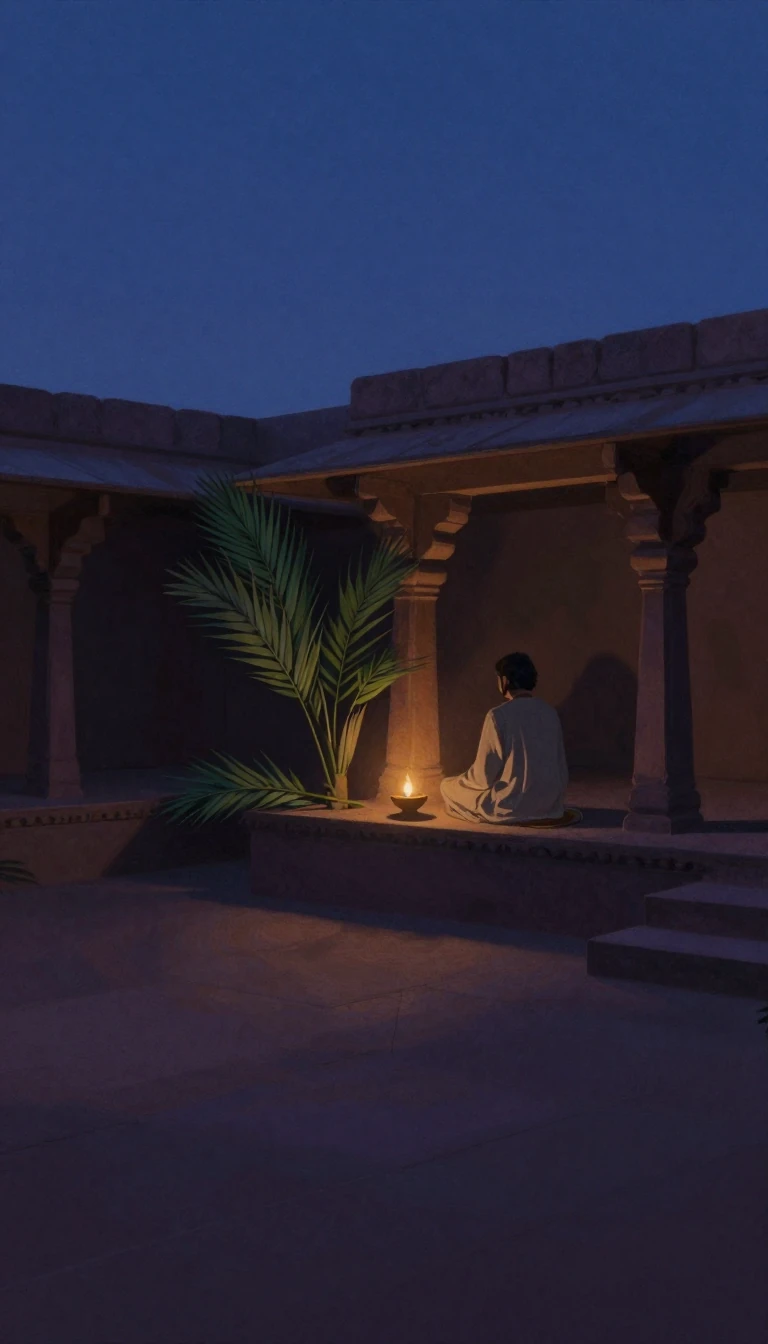
In short: The Delhi Durbar was a series of massive, meticulously staged assemblies designed to cement British authority in India. Yet, these glittering displays of imperial pageantry—featuring elephants, jewels, and thousands of troops—often backfired, inadvertently providing a stage for the very independence movement that would eventually dismantle the British Raj.
The Delhi Durbar, or 'Court of Delhi', was an imperial assembly held in 1877, 1903, and 1911 to mark the accession of British monarchs as Emperors or Empresses of India. The 1877 event, organized by Thomas Henry Thornton, proclaimed Queen Victoria as Empress. While intended to foster loyalty, it was criticized for diverting funds during the Great Famine of 1876–78. Notably, it also saw Ganesh Vasudeo Joshi demand equal political status for Indians, a moment often cited as the formal launch of the campaign for Indian independence.
The 1903 Durbar, orchestrated by Lord Curzon to celebrate King Edward VII, was a masterpiece of logistical excess. A deserted plain was transformed into a temporary city complete with electric lights, a railway, and a post office. It was a dazzling display of power, yet the monarch himself did not attend. By contrast, the 1911 Durbar was the only one attended by a reigning sovereign, George V. This event featured 50,000 troops and included the announcement that India’s capital would shift from Calcutta to Delhi. However, it was marred by the Gaekwar of Baroda’s perceived act of dissent when he turned his back on the royal couple.
By the late 1930s, the political climate had shifted irrevocably. Plans for a Durbar for George VI were repeatedly deferred due to the burgeoning independence movement and the refusal of the Indian National Congress to fund such an event. Jawaharlal Nehru famously suggested the King stay in England to avoid 'untoward incidents'. Ultimately, the onset of World War II and the rise of independent India rendered the Durbar obsolete. Today, these events are remembered as a complex mix of imperial ambition, technological innovation, and the unintended catalyst for the end of British rule.
Opens the Intellect+ feed with this card first. Swipe up for the next one.
Sources
- Summary by Intellect · source: Delhi Durbar
To cite this card, link to https://intellectplus.co.uk/app/wars-delhi-durbar.
How we source, check and correct cards: Editorial standards.
General information, not professional advice. Spotted an error? Flag the card or see corrections and complaints.
Intellect Plus is a visual educational discovery platform for exploring fascinating facts and ideas. Brain Food, Not Brain Rot. What is Intellect Plus?
Related
More in UK & Ireland: wars · More in Wars & Conflicts · Latest · A–Z · All topics
