The Dornier 228: A Versatile Workhorse That Redefined Short Takeoff and Landing Capabilities
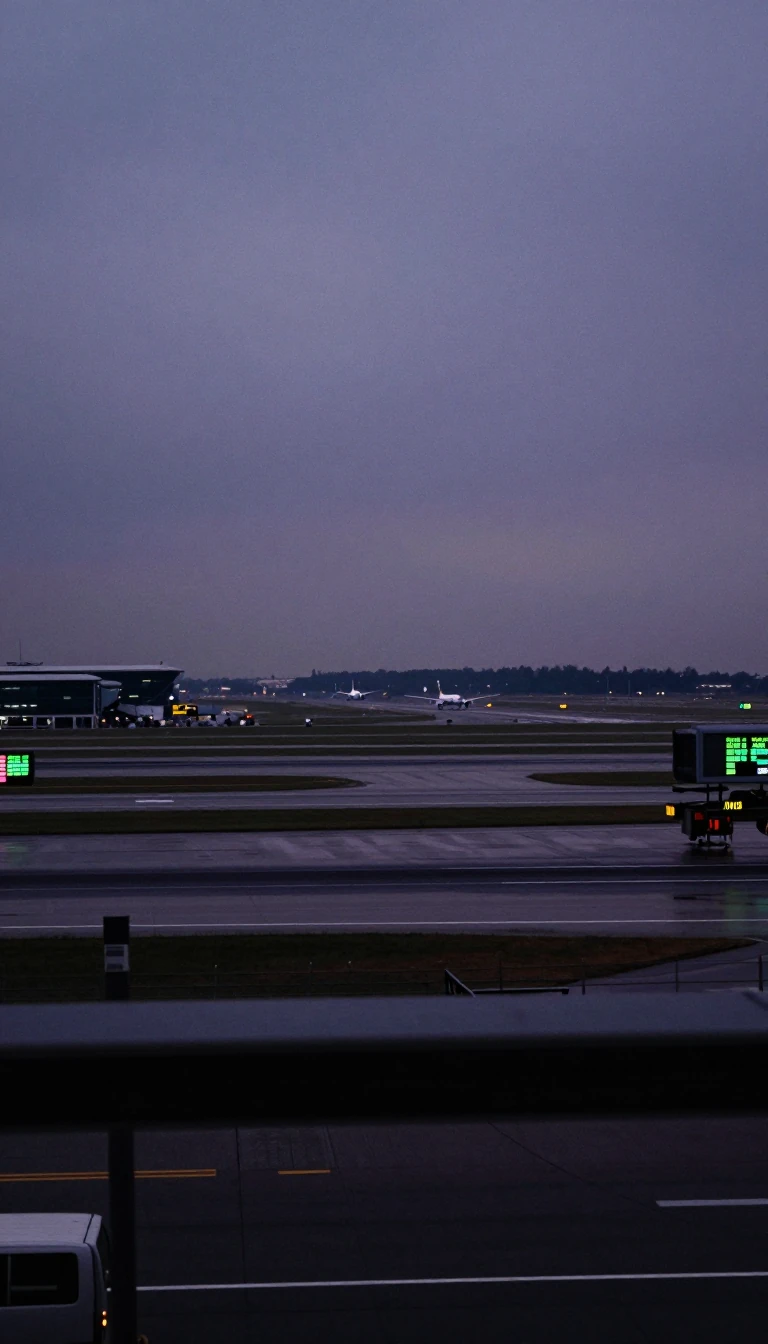
In short: Developed in the late 1970s, the Dornier 228 remains a masterclass in aeronautical efficiency. Known for its unique supercritical wing design, this twin-turboprop aircraft excels at operating from short, unpaved runways. From maritime surveillance to commercial commuter flights, its adaptability has kept it relevant across global skies for over four decades.
The Dornier 228 was born from a German government-subsidized project aimed at creating a new wing technology, known as the TNT or New Technology Wing. This design, which utilizes integrally-milled alloy panels and Kevlar components, reduced structural weight by approximately 15% and significantly lowered manufacturing labor. First flown in 1981, the aircraft quickly established itself as a reliable utility platform capable of transporting up to 19 passengers or heavy cargo. Its ability to handle short, unpaved strips made it a favorite for diverse missions, ranging from border patrol and search and rescue to medical evacuation and environmental research.
Manufacturing history for the Dornier 228 is uniquely global. While originally produced in Oberpfaffenhofen, Germany, the program saw a major shift in 1983 when Hindustan Aeronautics Limited (HAL) secured a license to manufacture the aircraft in Kanpur, India. By 1998, German production halted, and manufacturing operations were fully transferred to India. The aircraft later saw a resurgence through the Swiss firm RUAG, which introduced the modernized Dornier 228NG in 2009. This variant featured a glass cockpit, more powerful engines, and a five-blade composite propeller, further enhancing its operational efficiency and reducing noise levels.
The platform's legacy continues to evolve through innovation. In 2022, Alliance Air deployed the first Indian-made Dornier 228 for civil aviation operations, marking a milestone for domestic connectivity. Simultaneously, the aircraft serves as a testbed for the future of aviation. In 2023, ZeroAvia successfully flew a Dornier 228 modified with a hydrogen-electric powertrain, signaling a potential shift toward sustainable flight. With over four million flight hours accumulated by 2018, the Dornier 228 remains a testament to the longevity of sound engineering, proving that a versatile, well-designed airframe can adapt to the changing demands of technology, commerce, and environmental responsibility for generations.
Opens the Intellect+ feed with this card first. Swipe up for the next one.
Sources
- Summary by Intellect · source: Dornier 228
To cite this card, link to https://intellectplus.co.uk/app/wars-dornier-228.
How we source, check and correct cards: Editorial standards.
General information, not professional advice. Spotted an error? Flag the card or see corrections and complaints.
Intellect Plus is a visual educational discovery platform for exploring fascinating facts and ideas. Brain Food, Not Brain Rot. What is Intellect Plus?
Related
More in Wars since 1945 · More in Wars & Conflicts · Latest · A–Z · All topics
