How Philip the Good built a European powerhouse through art, war, and opportunism.
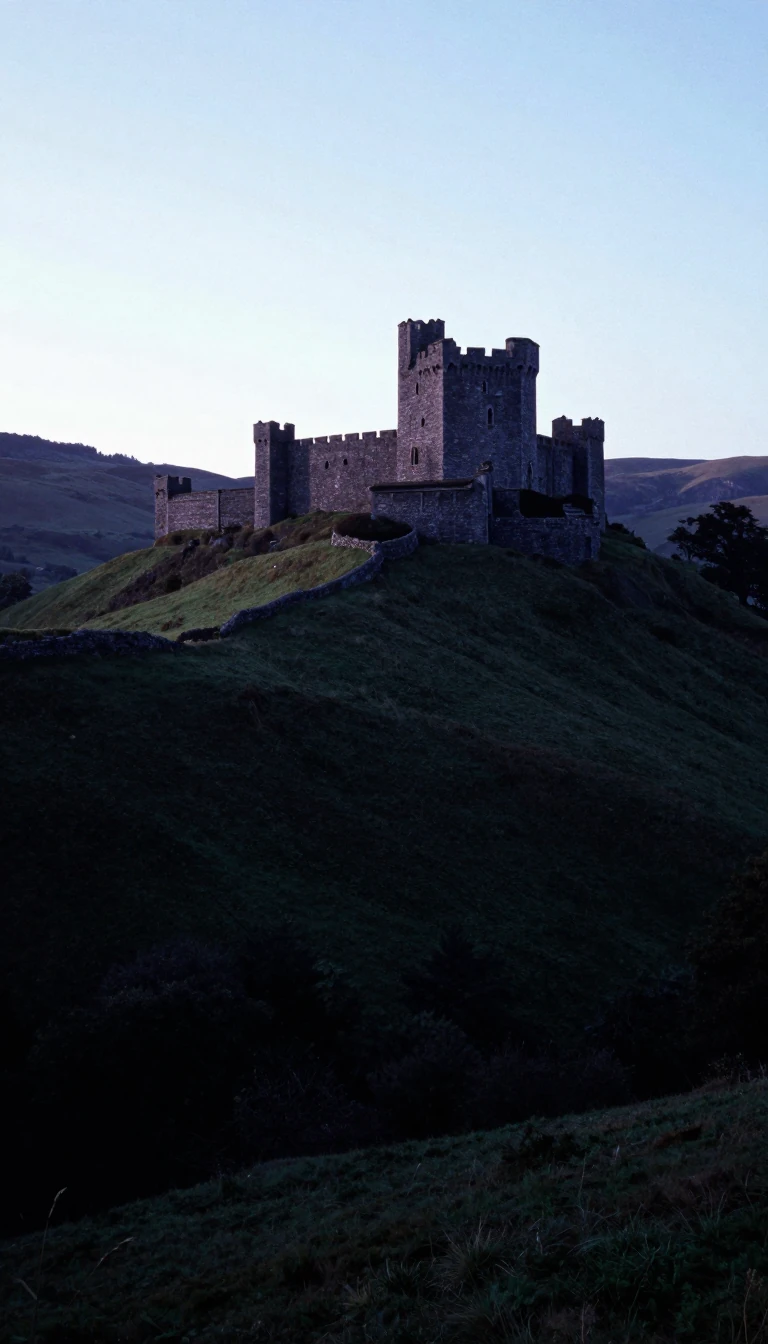
In short: Philip III of Burgundy transformed a feudal duchy into a formidable state that challenged the French crown. While he projected power through lavish pageantry and chivalric orders, his true legacy was an aggressive expansionist policy that swallowed his neighbors, creating a cultural and political center that defined the 15th century.
Philip III, known as Philip the Good, reigned as the most influential of the Valois dukes of Burgundy from 1419 to 1467. Inheriting the duchy at age 23 following the assassination of his father, John the Fearless, Philip initially sought to distance himself from French political turmoil. His resentment toward the dauphin, Charles, led him to sign the 1420 Treaty of Troyes, which partitioned France and granted succession rights to Henry V of England. Although he maintained a loose alliance with the English, Philip’s primary focus remained the consolidation of his own territories.
His reign was marked by a calculated, aggressive expansion. Between 1421 and 1443, Philip systematically absorbed surrounding lands, including Namur, Hainaut, Brabant, Holland, Zeeland, and Luxembourg. This territorial growth was supported by a court defined by unparalleled extravagance. Philip utilized art as a tool of statecraft, employing masters like Jan van Eyck to decorate his palaces and document his diplomatic interests. In 1430, he established the Order of the Golden Fleece, a prestigious chivalric society that reinforced his status among the European nobility.
Behind the facade of chivalry and public spectacles like the 1454 Feast of the Pheasant, Philip was a pragmatic ruler. He managed his private life with similar detachment, maintaining multiple mistresses across his various administrative centers while keeping them entirely separate from state affairs. By the time of his death in 1467, Philip had successfully established a Burgundian state that rivaled the power of France, leaving behind a legacy of cultural sophistication and political autonomy that persisted until the eventual annexation of the duchy by the French crown in 1477.
Opens the Intellect+ feed with this card first. Swipe up for the next one.
Sources
- Summary by Intellect · source: Philip III | Duke of Burgundy, French Ruler & Patron of the Arts | Britannica
- Also: Duke of Burgundy
To cite this card, link to https://intellectplus.co.uk/app/wars-duke-of-burgundy.
How we source, check and correct cards: Editorial standards.
General information, not professional advice. Spotted an error? Flag the card or see corrections and complaints.
Intellect Plus is a visual educational discovery platform for exploring fascinating facts and ideas. Brain Food, Not Brain Rot. What is Intellect Plus?
Related
More in Medieval wars · More in Wars & Conflicts · Latest · A–Z · All topics
