The last of the conventional missile destroyers
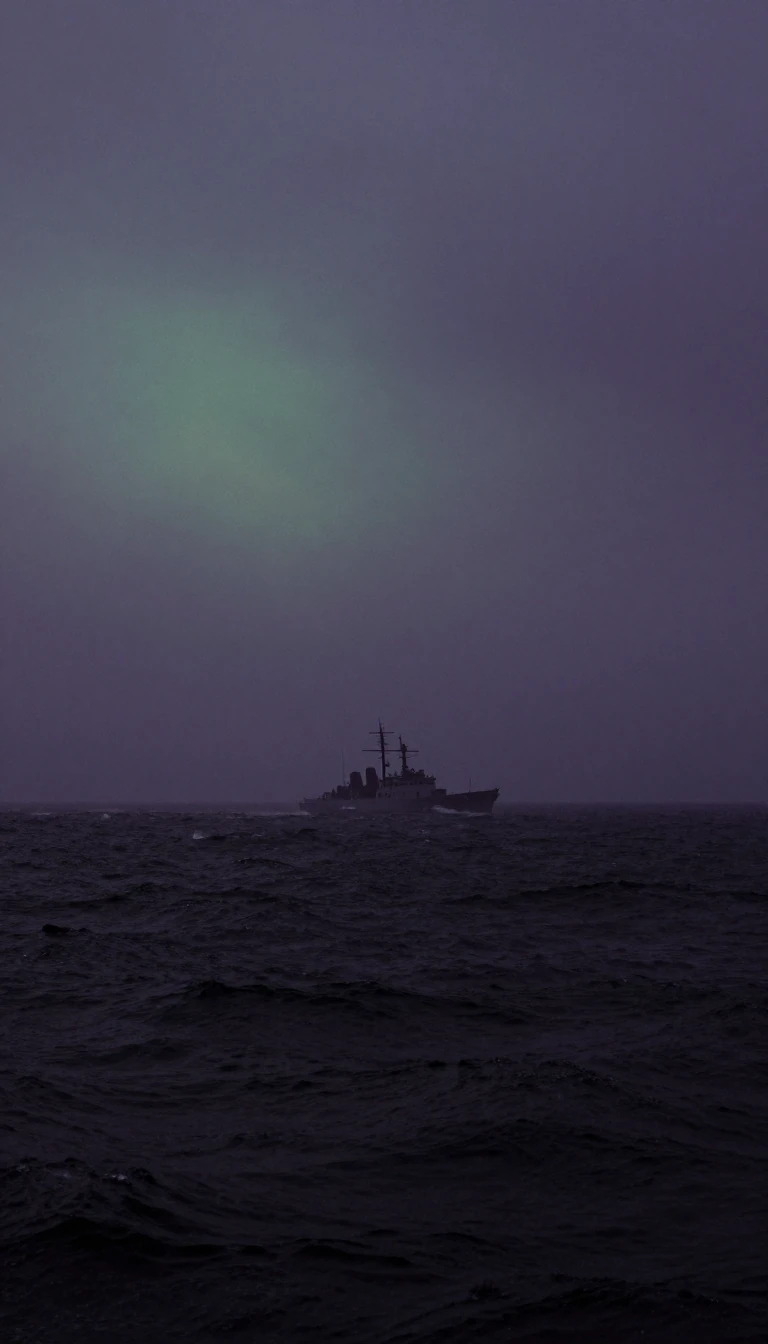
In short: Italy's Durand de la Penne-class ships represent a peak in naval engineering: packing massive firepower into compact hulls. Born from decades of 'cumulative growth,' these vessels were designed to survive heavy missile attacks while carrying an arsenal that would typically require much larger ships.
The Durand de la Penne class is the result of a progressive evolution in Italian naval design, moving away from the 1960s Impavido class. While those early ships were roughly equal to US Charles F. Adams-class destroyers, they lacked essential capabilities like helicopter hangars for anti-submarine warfare (ASW). The subsequent Audace class addressed these gaps but suffered from a bulky steam-turbine powerplant and flammable aluminum superstructures. The Durand de la Penne project finally replaced these with a modern CODAG configuration—using diesel for cruising and General Electric LM-2500 gas turbines for high speed—allowing for greater endurance, less weight, and the removal of dangerous boilers.
These ships are defined by an aggressive, low profile designed to reduce radar cross-section (RCS). However, their compact size creates a unique engineering challenge: extreme weapon concentration. In areas of less than 20 meters, they house three medium-caliber guns, over 200 shells, and the Aspide missile system. The aft superstructure is similarly dense, carrying a gun, two helicopters, and 40 SM-1/2 missiles (weighing 24 tonnes with over 1 ton of high explosives) within a 25-meter span. Because of this density, the ships require a relatively large crew of 380 to manage damage control and fire systems.
The class stands as a historical pivot point in naval architecture. Due to financial constraints, Italy opted not to purchase vertical launchers, choosing instead to modernize existing horizontal systems. This makes them arguably the most powerful 'conventional' missile destroyers ever built. They were designed for survival against heavy aircraft and missile attacks, featuring duplicated communication lines, NBC systems, and steel superstructures, all while balancing a high-explosive load that pushed the limits of their 4,500 to 5,400-ton displacement.
Opens the Intellect+ feed with this card first. Swipe up for the next one.
Sources
- Summary by Intellect · source: Durand de la Penne-class destroyer
To cite this card, link to https://intellectplus.co.uk/app/wars-durand-de-la-penne-class-destroyer.
How we source, check and correct cards: Editorial standards.
General information, not professional advice. Spotted an error? Flag the card or see corrections and complaints.
Intellect Plus is a visual educational discovery platform for exploring fascinating facts and ideas. Brain Food, Not Brain Rot. What is Intellect Plus?
Related
More in War and military · More in Wars & Conflicts · Latest · A–Z · All topics
