The Stinger missile changed modern warfare, but its true strategic impact remains fiercely debated.
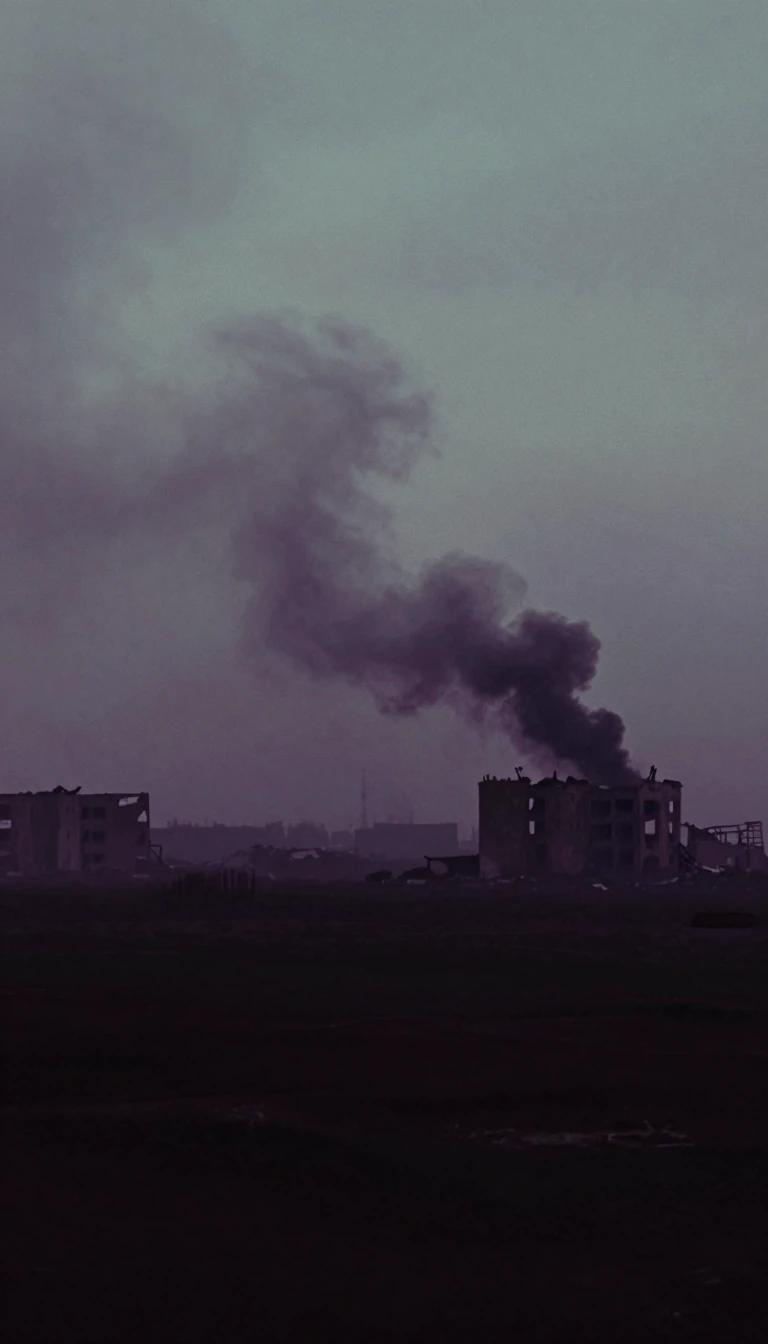
In short: The FIM-92 Stinger, a shoulder-fired infrared homing missile, became a symbol of Cold War resistance after its introduction in the 1980s. While celebrated as a decisive force multiplier in Afghanistan, military analysts continue to clash over whether it truly altered the conflict's outcome or was merely a tactical nuisance.
Developed by General Dynamics as an evolution of the FIM-43 Redeye, the Stinger entered U.S. service in 1981. Unlike its predecessor, the Stinger could acquire targets head-on, significantly increasing the window for engagement. Its sophisticated guidance system, particularly in later variants like the POST and RMP, utilized dual-detector IR and UV seekers to distinguish between aircraft exhaust and heat-based countermeasures like flares. This technological leap allowed the missile to remain relevant for decades, with variants like the RMP Block I and the J-series continuing to serve through service life extensions.
The missile's most famous deployment occurred during the Soviet–Afghan War. Following intense bureaucratic pressure from figures like Charlie Wilson and Michael Pillsbury, the CIA supplied nearly 500 Stingers to the Mujahideen. The first successful shootdown of a Hind gunship occurred on September 26, 1986. While some, including Wilson, hailed the weapon as a turning point that shifted the war's momentum, others remain skeptical. Analysts like Alan J. Kuperman argue that Soviet forces quickly adapted with new tactics and countermeasures, rendering the missiles far less effective by 1988.
The legacy of the Stinger is further complicated by the difficulty of verifying its combat performance. Reports from the 1993 U.S. Air Defense Artillery Yearbook claimed a 79% kill probability, a figure based on Mujahideen self-reporting that is widely contested by Soviet data and independent analysts. Beyond the battlefield, the weapon created a long-term security headache; after the Soviet withdrawal in 1989, the U.S. launched a $55 million program to recover hundreds of unaccounted-for missiles that had proliferated to nations including Iran and North Korea. Today, as the U.S. Army seeks a replacement, the Stinger remains a case study in the complex, often unpredictable consequences of arming proxy forces.
Opens the Intellect+ feed with this card first. Swipe up for the next one.
Sources
- Summary by Intellect · source: FIM-92 Stinger
To cite this card, link to https://intellectplus.co.uk/app/wars-fim-92-stinger.
How we source, check and correct cards: Editorial standards.
General information, not professional advice. Spotted an error? Flag the card or see corrections and complaints.
Intellect Plus is a visual educational discovery platform for exploring fascinating facts and ideas. Brain Food, Not Brain Rot. What is Intellect Plus?
Related
More in Wars since 1945 · More in Wars & Conflicts · Latest · A–Z · All topics
