A firestorm is a self-sustaining inferno that generates its own gale-force wind system.
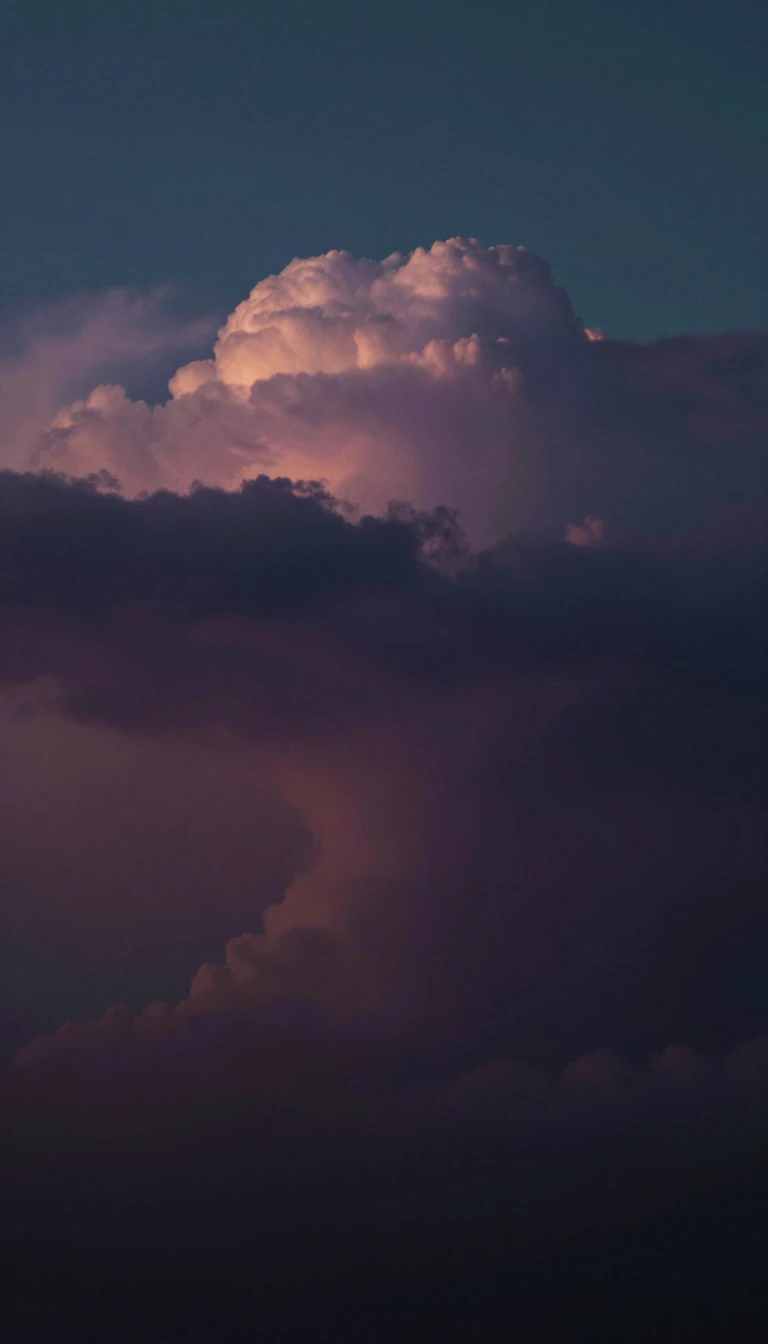
In short: Most fires are driven by ambient wind, but a true firestorm creates a violent, inward-pulling vortex. By consuming oxygen at a massive scale, these conflagrations generate their own weather, melting metal and turning asphalt into liquid. Understanding these extreme events is now critical for modern climate and disaster modeling.
A firestorm occurs when intense heat creates a powerful stack effect, drawing surrounding air into a central column. This process generates gale-force winds that blow from every direction toward the fire's center. Unlike typical wildfires driven by external wind, a firestorm's inward-rushing air often keeps the fire front stationary, preventing it from spreading outward while simultaneously fueling the inferno with massive quantities of oxygen. These conditions require a critical density of simultaneously burning fires over a large area to sustain the necessary heat.
The phenomenon is not limited to natural disasters like the Black Saturday bushfires or the 1871 Peshtigo Fire. During the Second World War, strategic bombing campaigns aimed to trigger these events in cities like Hamburg, Dresden, and Tokyo. By using high explosives to destroy roofs and incendiary devices to ignite the exposed interiors, Allied forces sought to overwhelm firefighting services. However, success was rare; even in heavily bombed cities like Berlin, modern building practices, lower density, and effective firewalls prevented the formation of true firestorms.
Today, researchers study firestorms through the lens of pyrocumulonimbus (pyroCb) clouds—fire-augmented thunderstorms that can inject smoke into the stratosphere. These events, which occurred frequently in North America in 2002, have significant atmospheric consequences, including potential cooling effects similar to volcanic winters. While some experts argue that modern urban design—with its lower fuel density and fire-resistant construction—makes firestorms unlikely in contemporary cities even after a nuclear detonation, the underlying physics remains a vital area of study for climate modeling and disaster preparedness.
Opens the Intellect+ feed with this card first. Swipe up for the next one.
Sources
- Summary by Intellect · source: Firestorm
To cite this card, link to https://intellectplus.co.uk/app/wars-firestorm.
How we source, check and correct cards: Editorial standards.
General information, not professional advice. Spotted an error? Flag the card or see corrections and complaints.
Intellect Plus is a visual educational discovery platform for exploring fascinating facts and ideas. Brain Food, Not Brain Rot. What is Intellect Plus?
Related
More in World wars era · More in Wars & Conflicts · Latest · A–Z · All topics
