Why the Fourth Dynasty stands as the pinnacle of ancient Egyptian architectural achievement
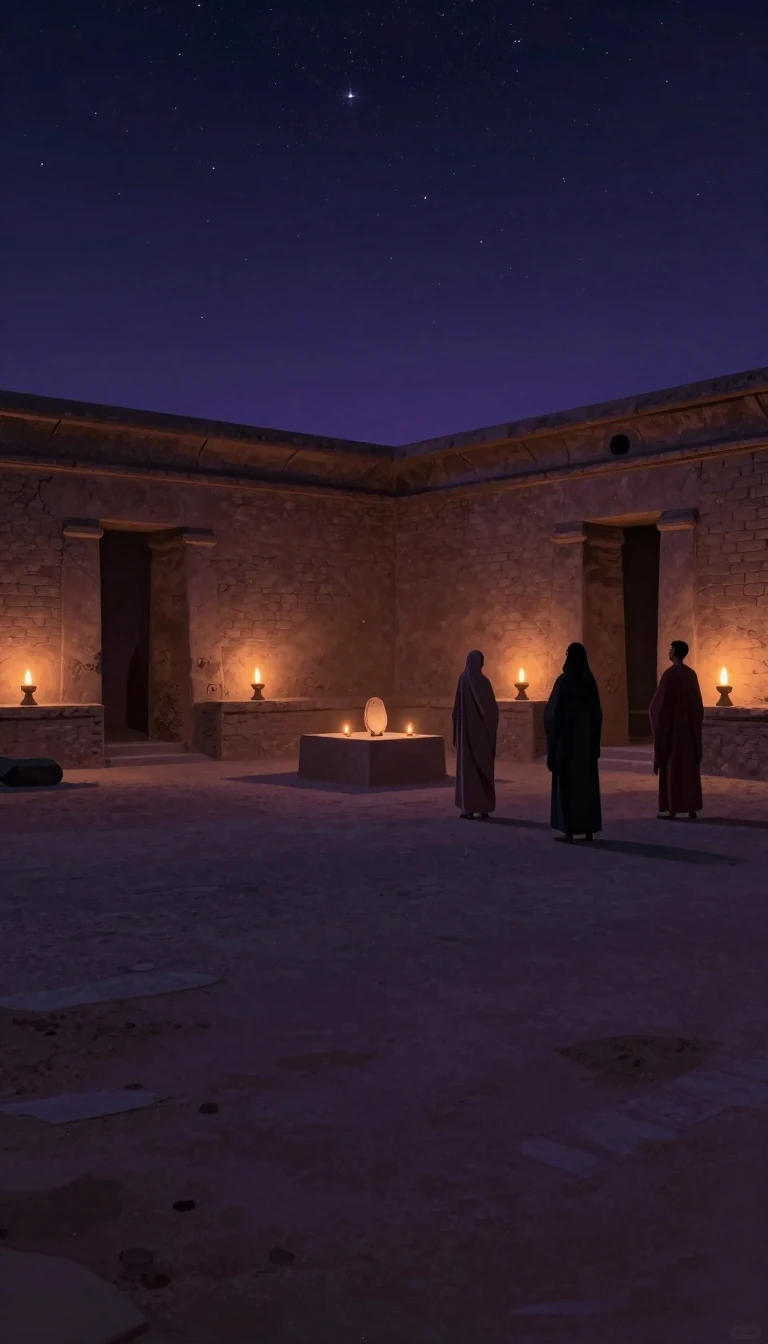
In short: Spanning from approximately 2613 to 2498 BC, the Fourth Dynasty of Egypt represents a golden age of stability and innovation. While many eras of antiquity were defined by conflict, this period flourished through peace and prosperity, enabling the development of the iconic, smooth-sided pyramids that still dominate the Giza Plateau today.
The Fourth Dynasty is widely regarded by historians as the zenith of the Old Kingdom. Unlike later periods often marked by territorial expansion or defensive warfare, this era was defined by internal stability and a flourishing of artistic and engineering capabilities. The foundation for this success was laid during the preceding Third Dynasty, where a long period of peaceful rule allowed the state to accumulate the resources and social cohesion necessary for monumental construction projects.
Central to this era was the reign of King Sneferu, whose ambitious building experiments fundamentally transformed Egyptian funerary architecture. By refining the design of traditional mastaba tombs, Sneferu’s engineers successfully transitioned toward the construction of the smooth-sided pyramids. These structures were not merely tombs but symbols of a highly organized society capable of mobilizing vast labor forces and technical expertise. The Giza Plateau stands as the enduring testament to these efforts, representing a level of architectural sophistication that many scholars argue remained unmatched throughout the remainder of Egyptian history.
Beyond its architectural legacy, the Fourth Dynasty was a period of significant international engagement. Official documentation from the era confirms that trade networks were established with neighboring regions, facilitating the exchange of goods and ideas. This economic connectivity, combined with domestic tranquility, created a unique environment where the state could focus its energy on cultural and structural permanence. The result was a legacy of monumental achievement that solidified the dynasty's reputation as a golden age, setting a standard for craftsmanship and statecraft that defined the identity of the Old Kingdom for centuries to come.
While the dynasty eventually concluded around 2498 BC, its influence persisted long after its collapse. The transition from experimental mastabas to the perfect geometry of the Giza pyramids remains one of the most studied evolutions in human history. By prioritizing long-term infrastructure over short-term military gains, the rulers of this period ensured that their contributions to human achievement would be preserved in stone, serving as a permanent record of their civilization's peak.
Opens the Intellect+ feed with this card first. Swipe up for the next one.
Sources
- Summary by Intellect · source: Fourth Dynasty of Egypt
To cite this card, link to https://intellectplus.co.uk/app/wars-fourth-dynasty-of-egypt.
How we source, check and correct cards: Editorial standards.
General information, not professional advice. Spotted an error? Flag the card or see corrections and complaints.
Intellect Plus is a visual educational discovery platform for exploring fascinating facts and ideas. Brain Food, Not Brain Rot. What is Intellect Plus?
Related
More in Ancient & biblical wars · More in Wars & Conflicts · Latest · A–Z · All topics
