Grand strategy is the art of balancing national resources to secure a lasting peace.
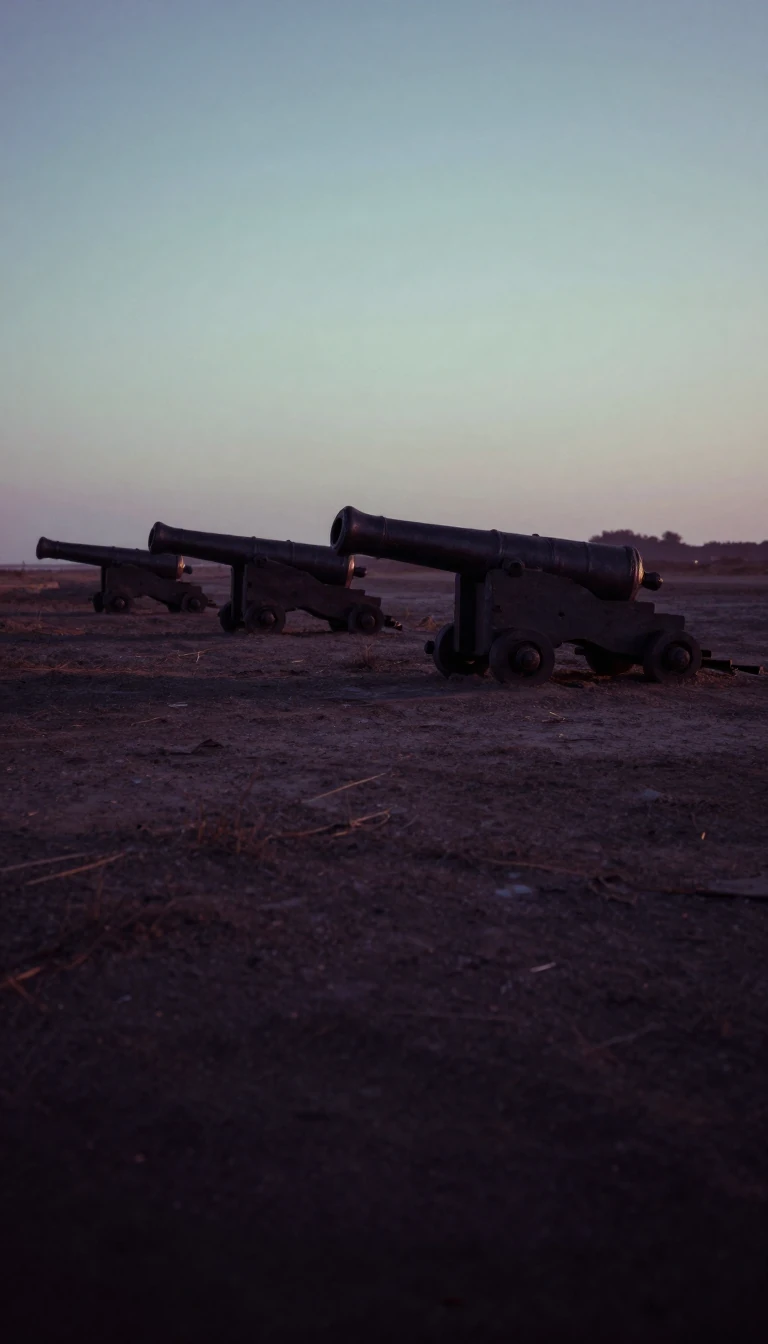
In short: A grand strategy is more than just winning a war; it is a nation's most complex, long-term blueprint for survival. By coordinating military, economic, and diplomatic power, leaders aim to achieve national goals while preparing for the peace that follows. It is a high-stakes balancing act of means and ends.
At its core, grand strategy is the orchestration of a state's total resources—military, economic, and political—to achieve a long-term national objective. Unlike simple military strategy, which focuses on winning battles, a grand strategy considers the broader context of both war and peace. It requires leaders to assess their nation's capabilities, from weaponry and manpower to financial and moral strength, and organize them into a cohesive plan. This process is notoriously elusive, as scholars and policymakers often disagree on its precise definition, though most acknowledge it as an extremely complex operation.
The formulation of such a strategy is not merely a top-down directive; it demands a degree of national consensus or at least the absence of widespread resistance. Because the international environment is volatile, an effective strategy must remain flexible. For instance, the United States has frequently shifted its strategic focus in response to global events. Following the unprecedented scale of World War I, the U.S. moved toward alliance-building, only to pivot toward political isolationism in the subsequent period of reconstruction. World War II necessitated a return to total war, while the Cold War was defined by the containment of communism.
The demise of the Soviet Union in 1991 rendered the containment strategy obsolete, leading to a new focus on global economic dominance backed by military force. This trajectory shifted again following the September 11, 2001, attacks, which ushered in a strategic phase centered on a global war against terrorist groups and their supporters. Ultimately, grand strategy is about setting realistic goals and ensuring that a country's foreign-policy traditions and tolerance for confrontation align with its available resources. Whether a nation chooses offensive operations or defensive alliances, its strategy must be capable of adapting to unpredictable developments to secure a stable future.
The concept itself has evolved significantly. While ancient thinkers focused on the skills of a general, the 19th-century emergence of the term in France helped distinguish broader political-military planning from simple battlefield tactics. Today, it remains the essential framework through which states navigate their long-term interests, constantly balancing the immediate demands of security against the enduring requirements of national prosperity and peace.
Opens the Intellect+ feed with this card first. Swipe up for the next one.
Sources
- Summary by Intellect · source: Grand strategy | Government Planning, Military Tactics & Diplomacy | Britannica
- Also: Grand strategy
To cite this card, link to https://intellectplus.co.uk/app/wars-grand-strategy.
How we source, check and correct cards: Editorial standards.
General information, not professional advice. Spotted an error? Flag the card or see corrections and complaints.
Intellect Plus is a visual educational discovery platform for exploring fascinating facts and ideas. Brain Food, Not Brain Rot. What is Intellect Plus?
Related
More in War and military · More in Wars & Conflicts · Latest · A–Z · All topics
