From a high-speed ferry to a multi-mission naval powerhouse
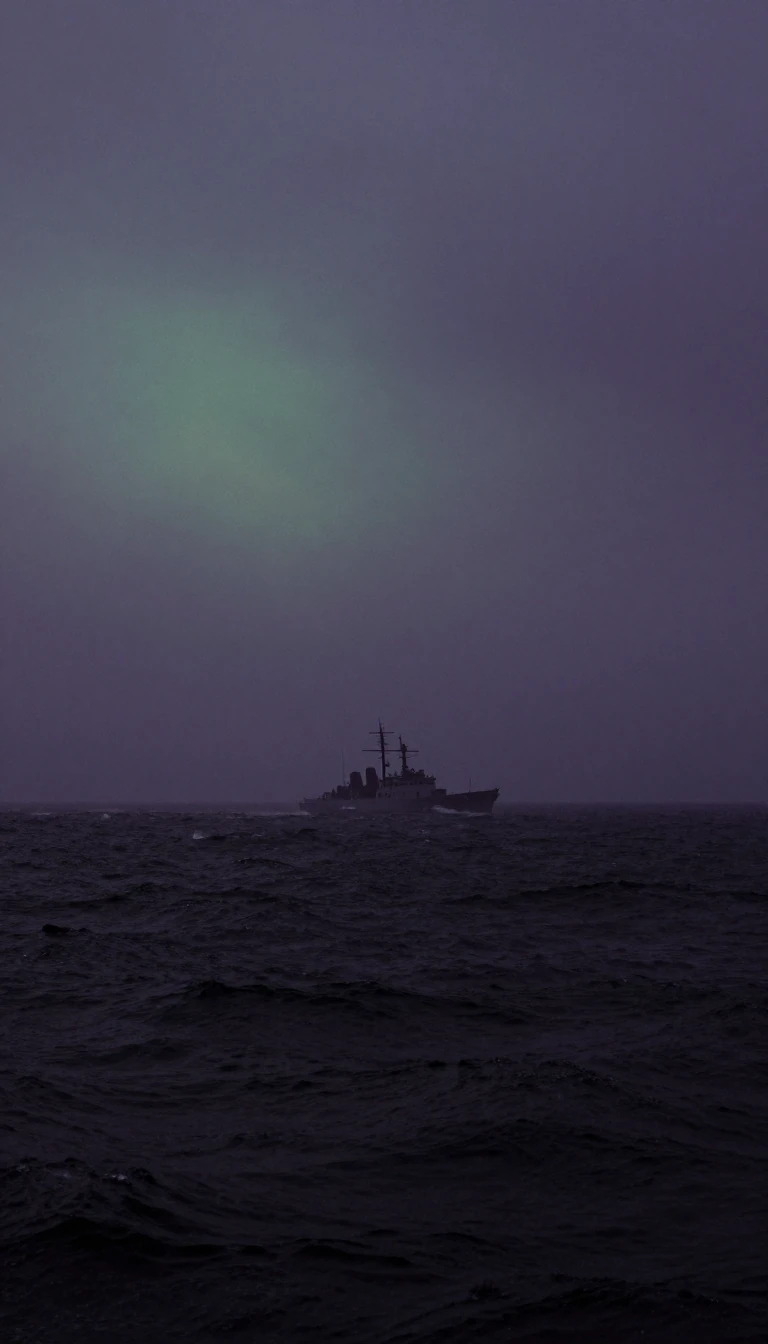
In short: The Independence-class littoral combat ship began as a commercial ferry design. This radical pivot from a passenger vessel to a high-speed, trimaran-hulled warship was intended to create a modular fleet capable of switching mission roles in hours. However, the transition from civilian engineering to naval warfare has faced significant hurdles.
The Independence-class hull design originated from a project by Austal to build a high-speed cruise ship. The team determined that a trimaran hull form offered superior stability and passenger comfort compared to monohulls or catamarans. Following its development as a high-speed cruise ship hull, the Benchijigua Express ferry emerged, which General Dynamics and Austal subsequently submitted for the Navy's littoral combat ship initiative.
Designed for the 'littoral zone'—nearshore waters—the ships were intended to be agile and multipurpose. A core feature was the mission module concept, which allowed a single vessel to swap equipment for anti-submarine warfare, mine countermeasures, or surface warfare. While the Navy originally envisioned these changes taking only hours, a 2012 wargame suggested logistics might stretch the process to weeks, leading the Navy to eventually plan for ships with single, fixed modules.
The program has been marked by significant technical and financial challenges. The first ship, Independence, was running at more than three times its original budget of $220 million by June 2009, reaching a projected cost of $704 million. Additionally, the lightweight aluminum construction makes the ships more vulnerable to damage than the competing Freedom-class. Due to high upgrade costs, the Navy announced in 2020 that the first four ships built would be retired and placed in inactive reserve by March 2021.
Despite these setbacks, the ships possess unique capabilities, including a 15,200 square foot mission bay and a 11,000 cubic metre payload volume. They can reach sustainable speeds of about 50 knots and have a range of 10,000 nautical miles. They also feature specialized technology like joystick-controlled helms, axial flow water jets for efficiency, and the ability to support various unmanned aerial vehicles and surface vessels.
Opens the Intellect+ feed with this card first. Swipe up for the next one.
Sources
- Summary by Intellect · source: Independence-class littoral combat ship
To cite this card, link to https://intellectplus.co.uk/app/wars-independence-class-littoral-combat-ship.
How we source, check and correct cards: Editorial standards.
General information, not professional advice. Spotted an error? Flag the card or see corrections and complaints.
Intellect Plus is a visual educational discovery platform for exploring fascinating facts and ideas. Brain Food, Not Brain Rot. What is Intellect Plus?
Related
More in War and military · More in Wars & Conflicts · Latest · A–Z · All topics
