Why a 14th-century peasant revolt still haunts the imagination of the ruling class
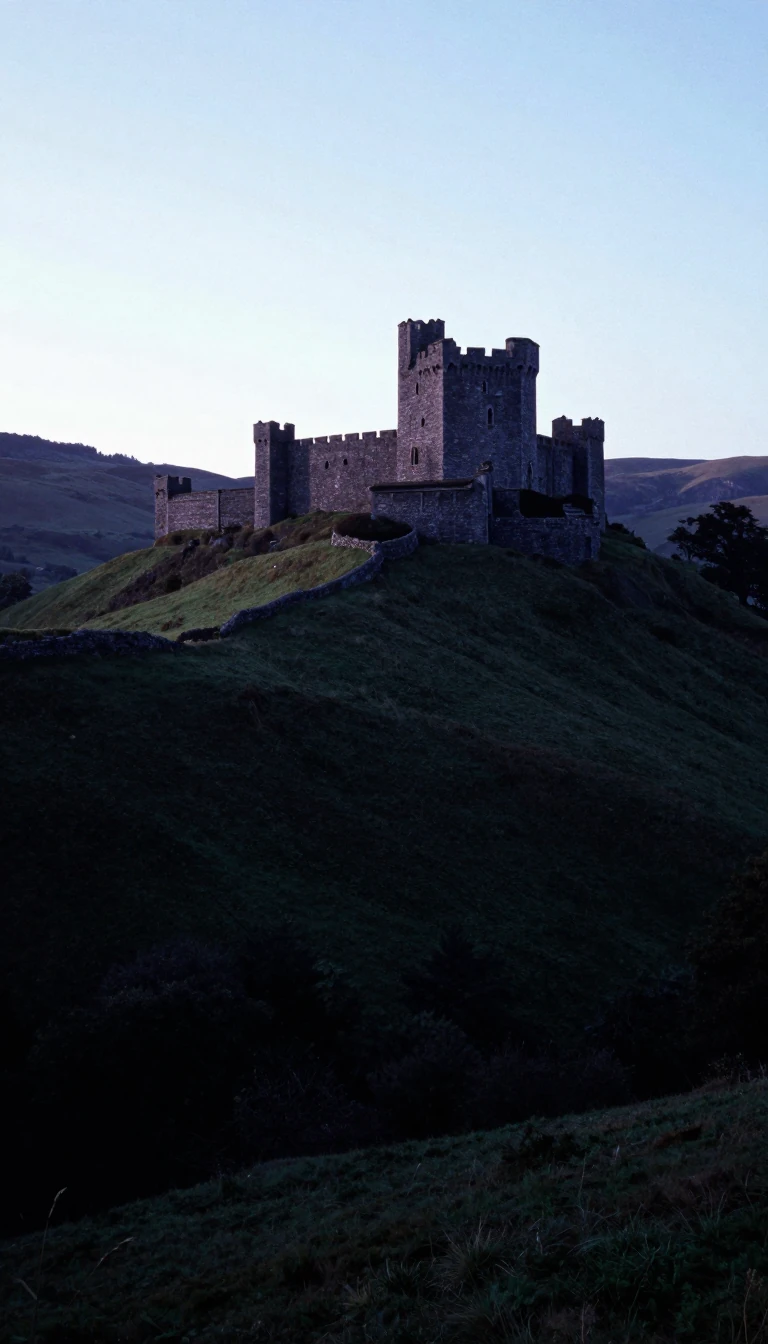
In short: In the summer of 1358, northern French peasants rose against a nobility they perceived as failing, sparking a brief, violent rebellion known as the Jacquerie. Though suppressed within months, the uprising traumatized the aristocracy, embedding the term into the cultural lexicon as a shorthand for any threat from below.
The Jacquerie emerged from a vacuum of authority. Following the French defeat at the Battle of Poitiers in 1356 and the capture of King John II, the state fractured. Noble prestige plummeted, exacerbated by the presence of roaming mercenary 'free companies' that pillaged the countryside. When a new law forced peasants to defend the very châteaux they viewed as symbols of their oppression, the tension boiled over. Spontaneous uprisings began in the village of St. Leu, fueled by a desire to destroy a nobility seen as having abandoned the realm.
Contemporary accounts, particularly those by the aristocratic chronicler Jean Froissart, painted the rebels as mindless, savage brutes. Froissart claimed the peasant army reached 100,000, though modern historians view such figures as products of chivalric romance rather than reality. The rebels, led by Guillaume Cale, targeted noble houses and castles, though churches were largely spared. The nobility responded with overwhelming force. At Mello, Cale was captured under a flag of truce, tortured, and decapitated, signaling the end of the rebellion's organized resistance.
The subsequent campaign of terror by the gentry was absolute. Knights and mercenaries slaughtered peasants across the countryside, burning cottages and barns. By August 1358, the Regent issued an amnesty, yet the regions that had supported the revolt were crippled by heavy fines. The memory of the Jacquerie persisted, evolving from a historical event into a potent political myth. For centuries, elites have invoked the 'Jacquerie' to describe any agitation among the lower classes, reflecting a deep-seated fear of social upheaval that has inspired everything from Victorian novels to progressive rock albums.
Opens the Intellect+ feed with this card first. Swipe up for the next one.
Sources
- Summary by Intellect · source: Jacquerie
To cite this card, link to https://intellectplus.co.uk/app/wars-jacquerie.
How we source, check and correct cards: Editorial standards.
General information, not professional advice. Spotted an error? Flag the card or see corrections and complaints.
Intellect Plus is a visual educational discovery platform for exploring fascinating facts and ideas. Brain Food, Not Brain Rot. What is Intellect Plus?
Related
More in Medieval wars · More in Wars & Conflicts · Latest · A–Z · All topics
