Was the English Achilles a brilliant military commander or merely a reckless, quarrelsome nobleman?
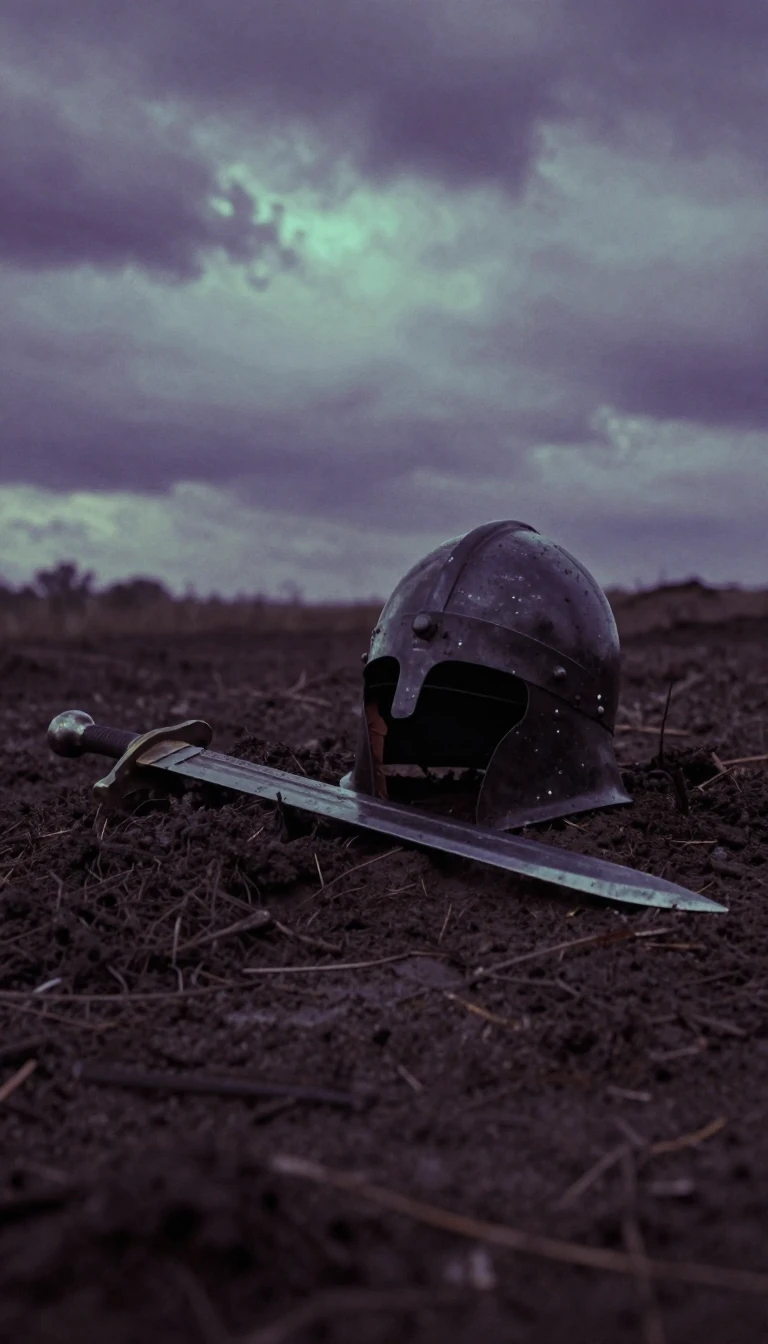
In short: John Talbot, 1st Earl of Shrewsbury, was the most feared English captain of the Hundred Years' War. Known as the Terror of the French, he defined an era of aggressive, rapid warfare. Yet, his final, fatal charge against artillery remains a controversial symbol of the decline of medieval chivalry.
Born around 1387, John Talbot rose to prominence as a Marcher Lord and a key military figure in the final stages of the Hundred Years' War. His career was defined by audacity; he favored rapid, surprise attacks and was often forced to maneuver against numerically superior French forces. After being captured at the Battle of Patay in 1429, he spent four years as a prisoner before returning to lead English efforts in Normandy. Following the death of the Duke of Bedford in 1435, Talbot became the primary English general in the field, earning the moniker le roi talbot for his relentless campaigning.
Talbot’s legacy is deeply polarized. While Shakespeare immortalized him as a valiant hero, modern historians often debate his generalship. His aggressive tactics, while successful in smaller skirmishes like the 1437 capture of Pontoise, were frequently criticized as rash. This perceived recklessness culminated at the 1453 Battle of Castillon. Misled by reports of a French retreat, Talbot launched a frontal assault against an entrenched camp defended by field artillery. He refused to wait for his full force to arrive, leading to his death and the effective end of English rule in Aquitaine.
Beyond the battlefield, Talbot’s life was marked by intense political friction. His tenure as Lord Lieutenant of Ireland was marred by a long-running, poisonous feud with the Butler family, which the Privy Council eventually reprimanded for undermining English authority. Despite these controversies, his reputation as a formidable warrior persisted for centuries. Even two hundred years after his death, writers like Thomas Nashe noted that Talbot’s legend continued to inspire audiences through the stage, suggesting that his true immortality was secured not by his titles, but by the enduring power of his dramatic, violent life story.
Opens the Intellect+ feed with this card first. Swipe up for the next one.
Sources
- Summary by Intellect · source: John Talbot, 1st Earl of Shrewsbury
To cite this card, link to https://intellectplus.co.uk/app/wars-john-talbot-1st-earl-of-shrewsbury.
How we source, check and correct cards: Editorial standards.
General information, not professional advice. Spotted an error? Flag the card or see corrections and complaints.
Intellect Plus is a visual educational discovery platform for exploring fascinating facts and ideas. Brain Food, Not Brain Rot. What is Intellect Plus?
Related
More in Medieval wars · More in Wars & Conflicts · Latest · A–Z · All topics
