How a daring airborne drop transformed a New Guinea valley into a major airbase.
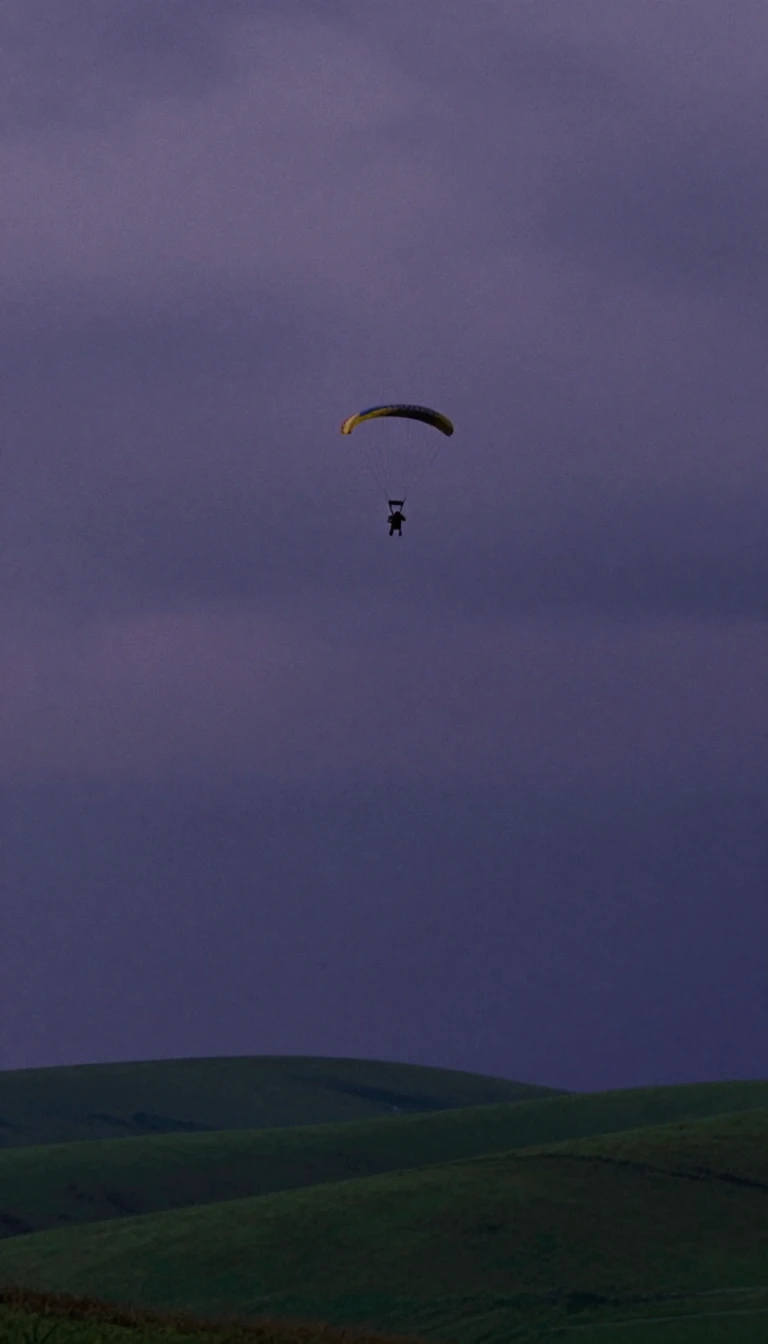
In short: On 5 September 1943, Allied forces executed a complex airborne operation at Nadzab, New Guinea. By coordinating hundreds of aircraft to drop paratroopers and artillery into a remote valley, they bypassed rugged terrain and established a critical airbase, effectively outmaneuvering Japanese defenses during the pivotal New Guinea campaign.
The landing at Nadzab was a centerpiece of Operation POSTERN, a strategic effort to seize key areas in New Guinea. General Douglas MacArthur’s plan relied on a double envelopment of Lae, with the Australian 9th Division attacking from the coast while the 7th Division advanced overland. However, the 7th Division faced severe logistical hurdles, including the unfinished Bulldog Road and the physical toll of previous campaigns. To overcome these, commanders opted for an airborne assault to secure an airfield in the Markham Valley, allowing the division to be maintained by air.
The operation required meticulous coordination between American and Australian forces. On 5 September 1943, a massive formation of 302 aircraft rendezvoused over Tsili Tsili before descending on Nadzab. To clear the drop zones, B-25 bombers strafed the area while A-20s laid smoke screens to mask the paratroopers. The US 503rd Parachute Infantry Regiment, accompanied by Australian artillerymen, successfully descended into the valley. Despite the challenges of dense, tall grass and tropical heat, the force met no ground opposition, allowing them to rapidly assemble and prepare the site for transport aircraft.
The success of the Nadzab landing was a testament to Allied air power and logistical improvisation. While the initial drop saw minor casualties, the operation effectively neutralized the threat of Japanese interference. Once the Markham Valley Road was upgraded by December 1943, Nadzab evolved into the primary Allied air base in New Guinea. This shift in momentum forced the Japanese Army to abandon their positions at Lae and Salamaua, retreating over the treacherous Saruwaged Range in a grueling withdrawal that resulted in significant losses from starvation and exposure.
The operation was not without controversy or technical difficulty. The 2/4th Field Regiment faced equipment failures, with many of their 25-pounder guns condemned due to manufacturing defects, forcing them to cannibalize parts to field working artillery. Furthermore, the reliance on weather forecasting—complicated by the lack of data from enemy-held territory—made the timing of the drop a high-stakes gamble. Ultimately, the coordination between MacArthur, General George Kenney, and Major General George Alan Vasey ensured that the Nadzab action became a landmark success in the Pacific theatre.
Opens the Intellect+ feed with this card first. Swipe up for the next one.
Sources
- Summary by Intellect · source: Landing at Nadzab
To cite this card, link to https://intellectplus.co.uk/app/wars-landing-at-nadzab.
How we source, check and correct cards: Editorial standards.
General information, not professional advice. Spotted an error? Flag the card or see corrections and complaints.
Intellect Plus is a visual educational discovery platform for exploring fascinating facts and ideas. Brain Food, Not Brain Rot. What is Intellect Plus?
Related
More in War and military · More in Wars & Conflicts · Latest · A–Z · All topics
